



A trip to France is a dream for many, filled with visions of iconic landmarks and charming cafés. But the reality of high costs can be a rude awakening. Smart planning is key to experiencing the magic without draining your bank account.
The Allure and the Expense
France is the world's
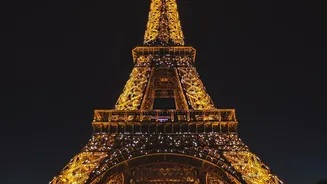
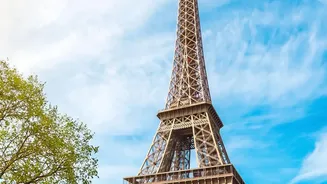
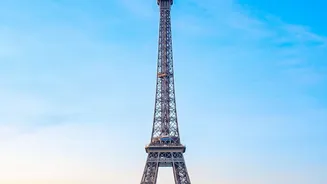
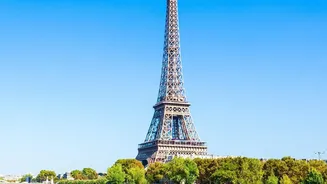
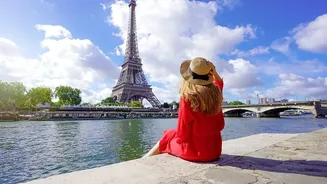
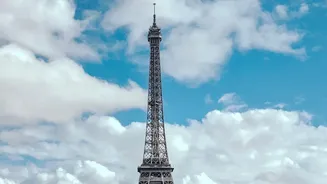
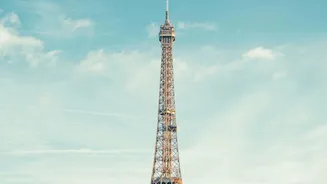
most visited country for a reason. Its cultural landmarks, culinary fame, and romantic cities create a powerful draw. However, this popularity comes at a price. A mid-range trip to Paris can cost between €150 and €250 per person per day, with accommodation, food, and attraction tickets quickly adding up. The most famous sights often come with the longest lines and highest prices, leading many travellers to question the value. An ascent to the top of the Eiffel Tower, for instance, can cost nearly €30 and involve hours of waiting for a view that, ironically, doesn't include the tower itself.
Spotting the Overhyped
Certain attractions are frequently cited as 'overrated' due to the mismatch between expectation and reality. The Mona Lisa at the Louvre is a prime example; visitors often fight through huge crowds only to see a small, protected painting from a distance. Similarly, the Champs-Élysées is often described as a crowded street of high-end global brands and tourist-trap restaurants rather than a quaint Parisian shopping experience. Even the magnificent Palace of Versailles can be overwhelming, with immense crowds that detract from its splendour. Recognising that 'famous' doesn't always mean 'best' is the first step toward a more authentic and affordable trip.
Smarter Alternatives, Richer Experiences
For nearly every hyped attraction, a wonderful, less crowded, and often cheaper alternative exists. Instead of battling the crowds for a glimpse of the Mona Lisa, consider the Musée de l'Orangerie, where you can immerse yourself in Monet's panoramic Water Lilies in a much calmer setting. For a stunning view of Paris that includes the Eiffel Tower, skip the tower climb and head to the top of the Arc de Triomphe or the Montparnasse Tower. Instead of the Palace of Versailles, explore the equally beautiful but far less busy Château de Fontainebleau or Château de Chenonceau. And for a more authentic shopping and strolling experience than the Champs-Élysées, the charming streets of the Marais district offer local boutiques and a genuine neighbourhood feel.
Strategic Attraction Planning
If your heart is set on the major museums, the Paris Museum Pass can be a significant money-saver. A two-day pass costs around €85, and with entry to the Louvre costing €17 and Versailles at €21.50, the pass can quickly pay for itself if you plan to visit four or five major sites. It also allows you to skip the long ticket-buying queues at many locations, saving valuable time. However, the pass isn't for everyone. If you prefer a slower pace or are interested in smaller museums not covered by the pass, buying individual tickets as you go may be more economical. Always book timed-entry slots online in advance, even with a pass, as this is now required at many top attractions.
Eat Well Without Overspending
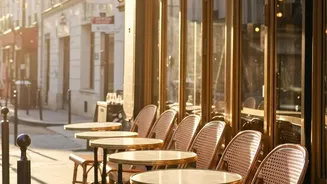
Food is a major expense, but it doesn't have to be. Avoid restaurants on the main squares and tourist thoroughfares. Instead, walk a block or two away to find better food at lower prices. One of the best budget strategies is to make lunch your main meal. Many restaurants offer a 'formule' or prix-fixe lunch menu for €12-€18, offering fantastic value. For breakfasts and other lunches, embrace the local culture: grab a croissant from a 'boulangerie' (bakery), and assemble a picnic with items from a local market or supermarket like Monoprix. A fresh baguette, some cheese, and a bottle of wine enjoyed in a park is a classic, affordable, and deeply French experience.
Beyond the Capital
While Paris is iconic, it's also France's most expensive city. Exploring other regions can dramatically lower your costs and reveal a different side of the country. Cities like Lyon, known as France's gastronomic capital, offer incredible food and charm for less. Bordeaux combines grand architecture with the allure of wine country, while smaller cities like Annecy provide Alpine beauty without Parisian prices. Even a day trip from Paris on the RER train to a medieval town like Provins can provide a refreshing and budget-friendly change of scenery.