






The Soaring Cost of Flying
Travellers planning their trips for the festive quarter are facing significantly higher airfares compared to last year. On some major domestic routes, ticket prices for travel between September and November have surged by as much as 68%. For example,
fares on the Delhi-Hyderabad route have seen a 68% year-on-year increase, while the Mumbai-Kolkata route is up 51%. Even typically busy corridors like Delhi-Goa and Mumbai-Bengaluru have seen prices jump by 39% and 37% respectively. The price hike is forcing many to reconsider their plans, with some one-way tickets on high-demand routes costing between ₹9,000 and ₹10,000, and sometimes even crossing the ₹20,000 mark. This has led to situations where a domestic flight to cities like Patna can cost more than an international flight to the Maldives.
Why Are Airfares This High?
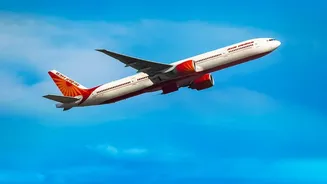
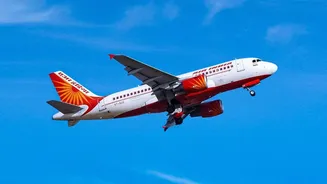
A combination of factors is driving this steep rise in prices. A primary cause is the sharp increase in the price of Aviation Turbine Fuel (ATF), which makes up a substantial portion—around 40%—of an airline's operating costs in India. Recent global tensions have pushed ATF prices to their highest levels in a decade, and airlines are passing this cost on to passengers by increasing fuel surcharges. Major carriers including IndiGo, Air India, and Akasa Air have all recently hiked these charges. Another contributing factor is a mismatch between demand and capacity. While demand for festive travel is strong, airlines have slightly reduced the number of scheduled domestic flights for the October-December quarter compared to last year. Though they are using larger aircraft to keep overall seat numbers stable, fewer departure options on certain routes create pricing pressure. This capacity consolidation, where a few airline groups control a majority of the market, also reduces downward pressure on fares.
The Shift to Road and Rail
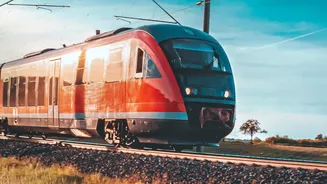
Faced with unaffordable flight tickets, many travellers are now turning to alternatives. There is a growing preference for rail and road travel, especially for destinations closer to home. In response to the anticipated demand, Indian Railways has announced plans to operate 12,000 special trains during the festive period to manage the rush. This trend suggests that while the desire to travel during festivals remains high, the mode of transport is becoming a significant area of compromise. People are opting for shorter holidays and exploring destinations that are more accessible by car or train, fuelling a boom in domestic tourism.
New Favourite Destinations Emerge
The high cost of flying is also changing where people are going. While popular destinations accessible by flight remain in demand, there is a noticeable surge in interest towards locations that are easier to drive to and more budget-friendly. A recent report on festive travel highlighted that bookings for 2026 are already running 50% ahead of last year, with a trend towards multiple short getaways instead of one long holiday. Popular destinations for this festive season include Hampi, Gokarna, Varkala, and Rishikesh. However, the fastest growth is being seen in Himalayan destinations. Places in Himachal Pradesh like Sangla, Kalpa, and Shoja have recorded booking growth of nearly three times compared to the previous year, indicating a clear shift towards scenic, driveable mountain escapes.