





The New Face of the Monsoon
For centuries, the arrival of the monsoon has guided everything from farming cycles to cultural calendars. But that certainty is fading. Scientists observe that the monsoon is becoming more erratic and extreme. The primary shift isn't just about the total
amount of rain, but its timing and intensity. We are now seeing fewer rainy days overall, but when it does rain, it often comes in short, powerful downpours that are harder for the ground to absorb. This pattern consists of long dry spells being broken by sudden, heavy rainfall events. The India Meteorological Department (IMD) has noted that climate change is a key driver, altering atmospheric circulation and making rainfall more variable. For 2026, the IMD has already forecast a 'below normal' monsoon, pegged at around 92% of the long-term average, raising concerns for agriculture and water supply even before the season begins.
A Strain on Water and Agriculture
This new rainfall pattern poses a dual threat: water scarcity and flooding. Steady, moderate rain is crucial for replenishing groundwater and filling reservoirs. When rain falls in intense bursts, most of it runs off the surface, especially in concretised urban areas, leading to flash floods without significantly recharging groundwater tables. This puts immense pressure on water management systems. For agriculture, the timing of the rain is critical. Delayed monsoons can disrupt the sowing of essential kharif crops like rice and maize. Farmers in regions like the Indo-Gangetic Plain are already facing the consequences, with unpredictable rains damaging crops and affecting yields. Even a season with 'normal' total rainfall can lead to agricultural distress if the rain doesn't fall when and how it's needed, creating a paradox of floods and drought within the same season.
Unpredictable Weather Hits Tourism
The tourism industry is also feeling the effects. The monsoon has traditionally been an off-season for travel in many parts of India. However, this is changing, with some travellers embracing monsoon tourism for its lower prices and lush landscapes. Yet, the increasing unpredictability makes planning difficult for both tourists and businesses. An increased frequency of high-intensity rainfall raises the risk of landslides in hill stations and makes beaches unsafe or inaccessible, disrupting holidays. Transport infrastructure, including roads, rail, and air travel, is frequently impacted. The uncertainty can deter visitors who may choose to avoid the risk of washed-out roads or cancelled plans altogether, affecting hotel occupancy and local economies that depend on a steady stream of visitors.
Your Weekend Forecast: Uncertainty
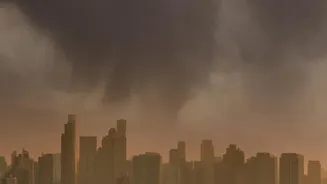
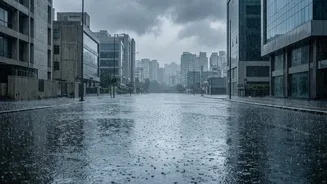
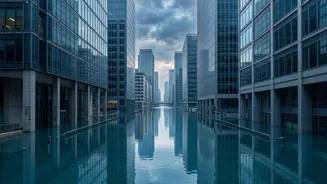
On a more personal level, the shift in rainfall patterns is disrupting everyday urban life. The dream of enjoying a rainy weekend can quickly turn into a nightmare of waterlogged streets and endless traffic jams. Cities like Mumbai, Delhi, and Bengaluru are increasingly experiencing urban flooding, where overwhelmed and outdated drainage systems are no match for sudden, high-intensity downpours. In some cases, a city can receive more than its average monthly rainfall in just a day or two. This routine chaos affects commutes, forces the cancellation of events, and poses risks to safety and property. The simple act of planning a weekend outing, a family gathering, or even just a trip to the market now requires a constant watch on weather apps, as the line between a pleasant shower and a city-halting deluge becomes thinner.