




Economic Engines in Disguise
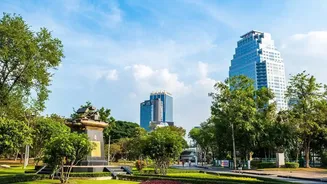
A well-maintained park is more than just a pretty space; it's a powerful economic asset. Studies have consistently shown that properties near parks command higher values. This isn't just good news for homeowners; it translates into increased property
tax revenues for the city, funding essential public services. Parks also attract tourism and local commerce. Think of the cafes, rental shops, and local businesses that thrive on the foot traffic generated by a popular park. They host festivals, concerts, and markets that draw visitors and their wallets, creating jobs and stimulating the local economy. In this sense, investing in green space is a direct investment in a city's financial health and vitality.
Public Health Powerhouses
The connection between green spaces and health is profound. Parks are natural motivators for physical activity, offering safe and accessible places for people to walk, run, and play, which is linked to lower rates of obesity and cardiovascular disease. But the benefits go far beyond the physical. A growing body of research demonstrates that access to nature significantly reduces stress, anxiety, and mental fatigue. Simply spending time in a park can lower blood pressure and improve overall mental well-being. In an increasingly urbanised India, where life is often fast-paced and stressful, parks serve as crucial sanctuaries for mental and physical restoration.
The Social Fabric of a City
In an era of digital isolation, parks are one of the few places where people from all walks of life can come together. They are inherently democratic spaces that foster social interaction and community cohesion. Neighbours who might otherwise never meet can connect while walking their dogs or watching their children play. These informal interactions build social trust and a stronger sense of community. Research indicates that areas with vibrant parks often experience lower crime rates and a greater sense of safety. By providing a shared space for connection and recreation, parks weave the diverse threads of a community into a more resilient social fabric.
Essential Environmental Allies
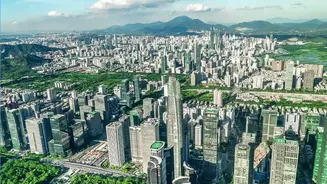
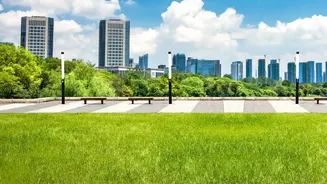
In the face of climate change, city parks are not a luxury but a necessity. They function as the green lungs of our cities, with trees and plants that absorb carbon dioxide and filter harmful air pollutants. Parks play a vital role in mitigating the urban heat island effect, where concrete and asphalt make cities significantly hotter than surrounding rural areas. The shade and evapotranspiration from a park can cool surrounding neighbourhoods by several degrees. They also act as natural sponges, absorbing stormwater runoff during heavy rains, which reduces flooding and eases the burden on municipal drainage systems. This makes them a critical, cost-effective form of green infrastructure.