






The High Cost of Being Green
The most immediate barrier to a sustainable lifestyle is the ‘green premium’. Eco-friendly products, from organic vegetables to biodegradable packaging, often cost significantly more than their conventional counterparts. A family on a tight budget might
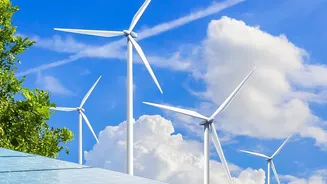
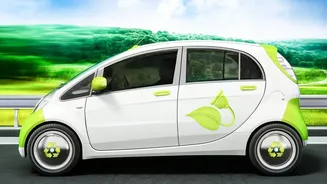
want to buy organic, but when conventionally grown produce is 20-40% cheaper, the choice is often made for them. This extends to larger investments as well. An electric vehicle, despite lower running costs and government subsidies, has a high upfront price that remains a major hurdle for the Indian middle class. Similarly, installing solar panels on a rooftop can cost anywhere from ₹50,000 to ₹2,00,000 — a substantial investment even if it promises long-term savings on electricity bills. When basic needs compete with green aspirations, the sustainable choice is often perceived as an unaffordable luxury, creating a divide between those who can afford to show they care and those who simply cannot.
The Unseen 'Time Tax'
Beyond money, there is another precious resource that green living demands: time. People who feel they have too many things to do and not enough time to do them suffer from 'time poverty'. This condition, often linked to lower well-being, disproportionately affects those juggling long work hours, commutes, and unpaid domestic labour. Many sustainable practices are time-intensive. Preparing meals from scratch to avoid packaged foods, diligently segregating waste for complex recycling systems, or travelling further to find a specific farmers' market all consume time. For someone working multiple jobs or managing a household, these additional tasks are not just inconvenient; they are often impossible. When time is scarce, convenience wins. This means that a person's inability to adopt certain green habits may not reflect a lack of environmental concern, but a deficit of available hours in the day.
Shifting Focus from Personal Guilt to Systemic Flaws
Framing climate action primarily as a series of individual consumer choices is fundamentally flawed. It places the burden of responsibility on the public while often letting corporations and policymakers off the hook. This approach inadvertently creates a system of moral judgment, where those who cannot afford the time or money to be green are made to feel like they are part of the problem. The real issue, however, lies in a system that makes the sustainable option the harder, more expensive one. Why are polluting products cheaper to produce and purchase? Why is our public transport infrastructure not robust enough to be the default choice for everyone? Why are there not standardized, accessible, and simple recycling programs nationwide? True progress doesn't come from shaming individuals but from designing systems where the sustainable choice is the easiest and most logical one for everybody.
A Blueprint for Equitable Climate Action
Making sustainability accessible to all requires a systemic overhaul, not just individual effort. Governments can play a pivotal role. For instance, reforming GST to lower or eliminate taxes on certified green products could immediately reduce the price gap. Expanding and simplifying subsidies for solar installations and electric vehicles, ensuring they reach lower and middle-income households, is crucial. We also need massive investment in public infrastructure that inherently promotes sustainability — think safe, reliable, and widespread public transport that makes private vehicle ownership less necessary. Corporations, too, must be held accountable for the lifecycle of their products. Policy should incentivize companies to produce durable, repairable goods and use sustainable materials, making the default option on the shelf a green one. The goal is to embed sustainability into the fabric of our economy, not to offer it as a premium add-on.