




The Science Behind the Glow
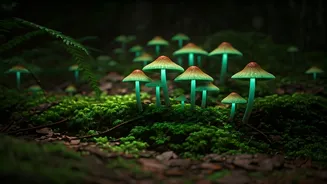
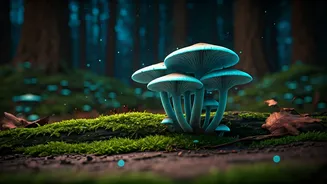
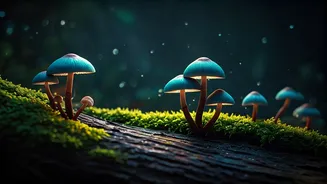
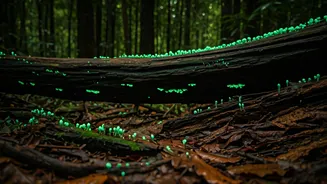
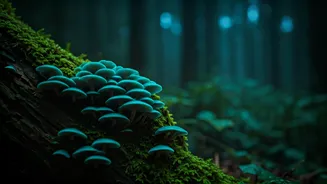
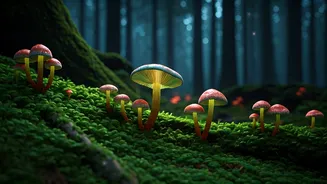
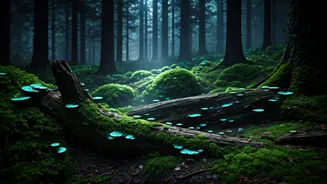
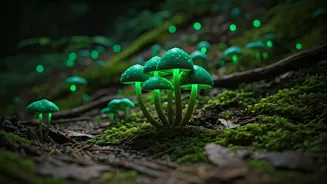
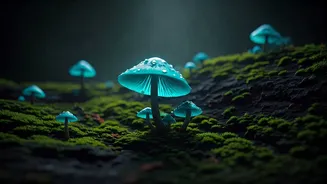
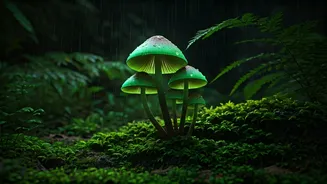
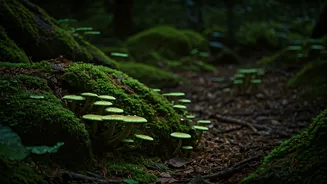
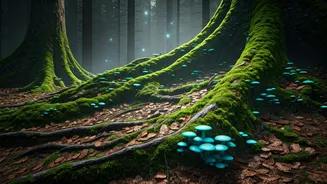
This enchanting light show is the work of bioluminescence, the same natural process that makes fireflies glow. The mushrooms, often belonging to the genus *Mycena* or *Roridomyces*, contain a compound called luciferin. When this compound interacts with
an enzyme called luciferase and oxygen, it releases energy in the form of a soft, greenish-blue light. Scientists believe this glow serves a purpose. By illuminating the forest floor, the fungi attract nocturnal insects. These insects, in turn, crawl over the mushrooms and inadvertently pick up spores, helping to disperse them throughout the forest and ensure the survival of the next generation. It’s a brilliant, silent strategy for propagation, hidden in plain sight.
India's Bioluminescent Hotspots
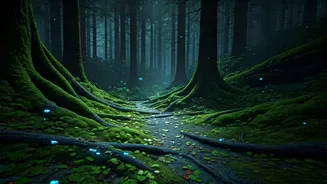
While this phenomenon occurs in various parts of the world, India has its own special pockets of glowing forests, primarily active during the monsoon. The Western Ghats are a key region for spotting these fungi. Specific areas in Maharashtra, such as the Bhimashankar Wildlife Sanctuary, and parts of Goa have become popular destinations for 'fungi tourism'. Further east, the forests of the West Jaintia Hills in Meghalaya have also been confirmed as a habitat for glowing mushroom species. Local communities have known about this 'electric fungus' for generations, often using the glowing branches they grow on as natural torches to navigate forest paths at night. These hotspots offer a rare chance to witness a spectacle that feels both ancient and otherworldly.
Timing is Everything: The Monsoon Window
The key to witnessing this spectacle is timing. The headline's warning—'before they vanish'—speaks to the ephemeral nature of these organisms. Bioluminescent mushrooms are not necessarily endangered, but they are incredibly seasonal. They thrive on the decay of wet, dead wood and require high humidity to fruit and glow. This makes the monsoon season, typically from June to late September, the absolute best and only time to see them. They emerge after the first heavy rains soak the forest floor, live for a few weeks, and then disappear as the environment dries up. This short, dramatic life cycle is what makes spotting them such a special and urgent quest for nature lovers.
Your Guide to a Magical Night Walk
If you plan to search for these glowing wonders, preparation is key. First, consider hiring a local guide who knows the forest and the exact spots where the fungi grow. They can ensure your safety and dramatically increase your chances of success. You’ll be venturing out after dark, so a good pair of waterproof shoes with strong grip is essential. Carry a torch, but use it sparingly to allow your eyes to adjust to the darkness—the glow is subtle and can be easily overpowered by artificial light. A red-light torch is a great alternative as it preserves your night vision. Patience is your most important tool. Find a promising spot, switch off your light, and wait for the forest to reveal its secrets. And, of course, bring a camera capable of long-exposure shots to capture the magic.
An Act of Responsible Wonder
As this natural wonder gains popularity, it's crucial to approach it with respect. The ecosystems where these fungi thrive are delicate. When you go searching, stick to marked trails to avoid trampling the undergrowth and damaging the mycelial networks beneath the soil. The golden rule of wildlife observation applies here too: look, but do not touch. Plucking the mushrooms not only extinguishes their light but also prevents them from completing their life cycle and spreading spores. The goal is to leave the forest exactly as you found it, ensuring this magical light show can continue to mesmerise visitors for many monsoons to come. The experience is not about taking a souvenir, but about carrying the memory of a forest that glows.