





Create a Master Meal Plan
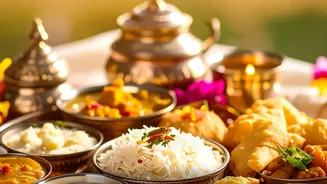
The foundation of a good festive food budget is knowing exactly what you’ll be cooking. This isn't just about the main feast; it includes breakfasts, snacks for guests who drop by, and simple dinners for quiet nights in between. Two weeks before the festivities
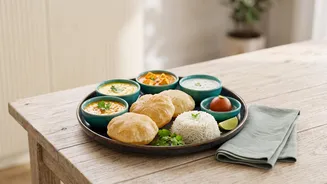
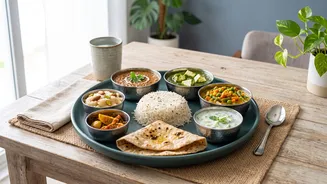
begin, sit down and map out every meal. Consider a mix of elaborate dishes and simpler, comforting foods like dal or pulao. Having a clear plan prevents last-minute impulse buys, which are a major source of budget overruns and food waste. A written menu also helps you get an accurate headcount of guests, which is crucial for portion control.
Shop Your Pantry First
Before you write a single grocery list, take a thorough inventory of your kitchen. Check your cupboards, fridge, and freezer for staples you already have. You might find unopened packets of lentils, half-used jars of spices, or forgotten bags of flour. Use the 'first-in, first-out' method: bring older items to the front so you use them before they expire. This simple act of checking what's on hand not only cuts down your shopping bill but also prevents the waste that comes from buying duplicates of items you already own. Only list what you truly need to purchase.
Be Smart About Bulk and Fresh
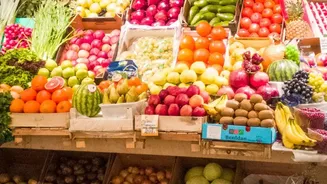
Festive cooking often means larger quantities, and buying in bulk can seem economical. It's a great strategy for non-perishable staples like rice, atta, sugar, and lentils, especially if you have proper storage. However, be cautious with fresh produce. Buying vegetables and fruits in huge quantities can lead to spoilage and waste if your plans change or you overestimate your needs. For fresh items, it’s often better to buy only what your menu requires for the next few days. For spices, consider buying them loose rather than in pre-packaged mixes to get better value and control over flavours.
Prep and Cook in Batches
One of the biggest time and money savers is batch cooking. You can prepare base ingredients ahead of the main festive days. Chop vegetables and store them, make a large batch of onion-tomato gravy that can be used for multiple curries, or prepare and freeze snacks like samosas or tikkis that just need to be fried or baked later. This approach not only streamlines cooking on a busy day but also allows you to take advantage of ingredient sales. Even making a simple chutney or sweet dish in advance reduces stress and frees up your stove for the main event.
Plan for Creative Leftovers
Despite the best planning, leftovers are a festive reality. Instead of seeing them as a problem, plan for them. Leftover cooked vegetables can be mashed with spices to create delicious paratha fillings. Day-old bread can be turned into croutons for soup or used for a dish like Shahi Tukda. You can also get creative by repurposing vegetable peels or stems into crispy snacks or flavourful broths. Thinking about a 'next-day' menu for leftovers ensures that the food you spent time and money on is fully enjoyed, honouring the spirit of abundance without the waste.
Set a Clear Food Budget—And Stick To It
Financial discipline starts with a number. Decide on a realistic amount you can spend on festive groceries and treats. You can break this down into a weekly budget to make it more manageable. When you go shopping, stick to your list. It’s easy to get tempted by festive displays and special offers, but these impulse purchases are what typically derail a budget. By combining a firm list with a firm budget, you take control of your spending. This ensures you have the funds you need for other important festive purchases, like gifts and decorations, without the financial stress later.