





What Exactly Is Tinted SPF?
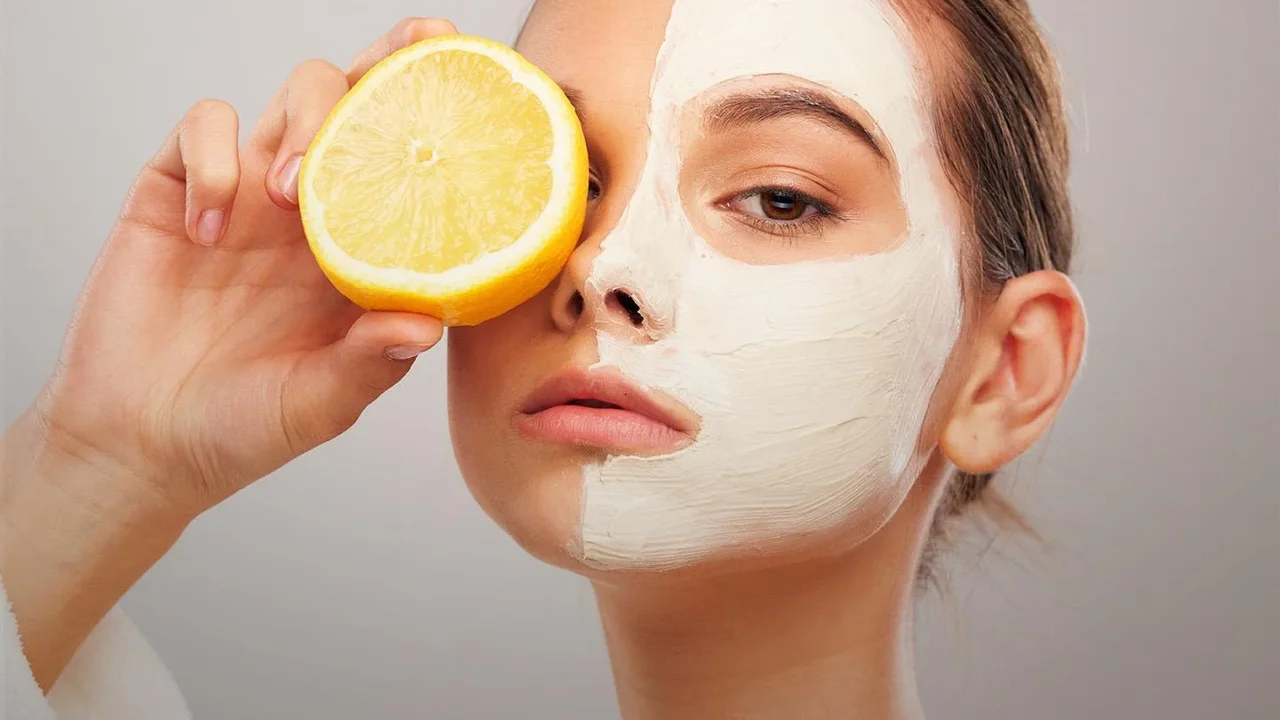
At its core, a tinted sunscreen is a product that combines broad-spectrum sun protection with pigments that offer sheer coverage. Think of it as the perfect fusion of skincare and makeup. It's designed to protect your skin from harmful UVA and UVB rays
while simultaneously evening out your complexion, blurring minor imperfections, and delivering a natural, polished finish. Unlike traditional foundations that can feel heavy, or regular sunscreens that can sometimes leave a white cast, a tinted SPF aims to do both jobs in one lightweight, easy-to-wear step. It’s the ultimate one-and-done product for a simplified morning routine.
The Triple-Threat Benefits
The popularity of tinted SPF isn't just about convenience. Dermatologists are increasingly recommending these formulas for their superior protection. While all broad-spectrum sunscreens shield you from UVA and UVB rays, the pigments in tinted formulas, typically iron oxides, provide an extra layer of defense against visible light. This is particularly important for tackling hyperpigmentation, melasma, and dark spots, which can be triggered or worsened by visible light, including the blue light from our screens. Studies have shown that tinted sunscreens containing iron oxides are more effective at preventing and reducing pigmentation issues compared to their non-tinted counterparts. This makes them a powerful tool for not just preventing sun damage, but actively improving skin evenness.
Why Is It So Popular Now?
The surge in demand for tinted SPF is driven by a larger cultural shift in beauty: the rise of 'skinimalism'. More people are embracing a 'no-makeup makeup' look that celebrates natural skin texture rather than masking it. Tinted sunscreen fits perfectly into this ethos by providing a sheer veil of colour that refines the complexion while letting real skin show through. Furthermore, formulations have evolved significantly. Gone are the days of thick, chalky textures and limited shade ranges. Today's products are cosmetically elegant, available in various finishes (dewy, matte, natural), and often enriched with beneficial skincare ingredients like hyaluronic acid for hydration or niacinamide to calm skin.
How to Choose Your Perfect Match
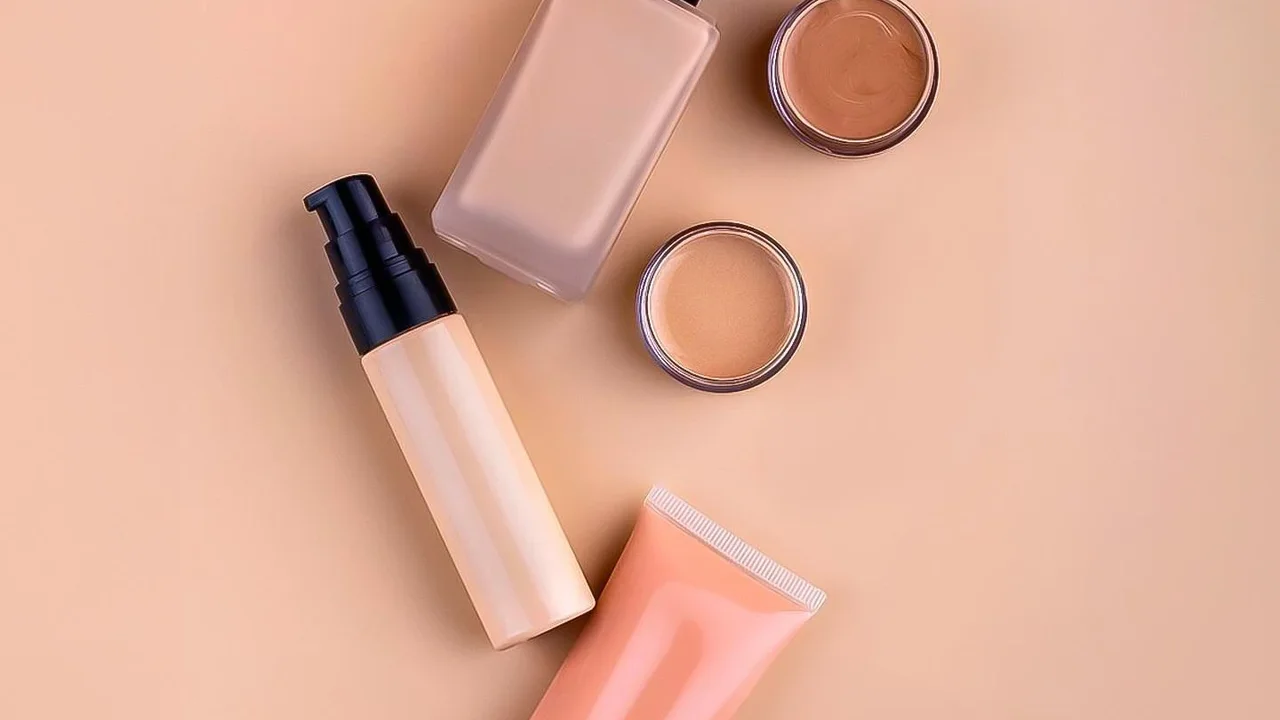
Finding the right tinted SPF involves a few key considerations. First, identify your skin type. If you have oily or acne-prone skin, look for an oil-free, non-comedogenic, or mattifying formula. For dry skin, hydrating formulas with ingredients like glycerin or hyaluronic acid are ideal. Mineral-based sunscreens containing zinc oxide and titanium dioxide are often recommended for sensitive skin as they are generally less irritating. When it comes to shade, always test on your jawline, not your hand, to ensure a seamless match with your face and neck. Since the coverage is sheer, many shades are flexible, but if you're in doubt, it's often better to opt for the slightly lighter shade.
Getting the Application Right
To get the full sun protection benefit listed on the bottle, you need to be generous with your application. The general rule for the face is about a quarter-teaspoon, or the length of two full fingers. Many people under-apply tinted SPF, treating it like a foundation and using only a small amount. While this might provide a nice cosmetic effect, it won't give you adequate protection from the sun. Think of it as sunscreen first, and makeup second. Apply it evenly over your face as the last step in your skincare routine. For days when you want more coverage, you can still use it as a protective base under your regular foundation.