







Why Summer Heat Is Tough on Dogs
Dogs don't sweat like humans do. They primarily cool themselves by panting, which becomes less effective as the air temperature and humidity rise. This makes them highly susceptible to overheating and heatstroke, a life-threatening condition. Breeds with
short snouts (like Pugs and Bulldogs), older dogs, puppies, and those with thick coats are at an even higher risk. Providing access to shade, cool water, and avoiding strenuous activity during the hottest parts of the day are essential. But offering a cooling treat can be a delicious and enjoyable way to help them manage their body temperature from the inside out, providing both hydration and relief.
The Perfect Cooling Treat: Watermelon
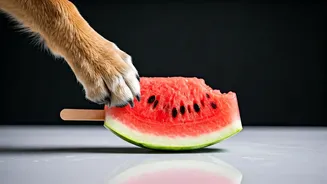
Watermelon is an excellent choice for a dog-friendly summer treat. It’s composed of about 92% water, making it incredibly hydrating. It’s also a good source of vitamins A, B6, and C, as well as potassium. Most dogs love the sweet taste, which makes it an easy sell. However, there are crucial safety rules to follow. You must remove all seeds before giving watermelon to your dog. The seeds can cause an intestinal blockage, which is a serious medical issue. Similarly, the green rind is difficult for dogs to digest and can lead to gastrointestinal upset. Stick to the pink, seedless flesh for a treat that’s both safe and refreshing.
Simple Watermelon Dog Popsicle Recipe
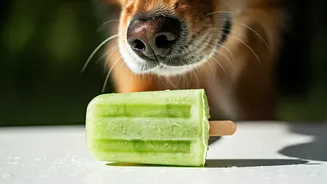
This recipe couldn't be easier and requires only one main ingredient. All you need is a blender and a popsicle mould or even a simple ice cube tray. **Ingredients:** - 2 cups of seedless watermelon chunks - 1/4 cup of plain water (optional, to help with blending) **Instructions:** 1. **Prepare the Fruit:** Ensure your watermelon is completely seedless and you have removed all of the rind. Chop it into small, manageable chunks. 2. **Blend It Up:** Place the watermelon chunks into a blender. If the fruit is very dense, add a splash of water to help it blend into a smooth, liquid purée. 3. **Pour into Moulds:** Carefully pour the watermelon purée into your popsicle moulds or ice cube trays. If using popsicle moulds, you can insert a dog-friendly chew stick (like a carrot stick or a durable dental chew) as a handle once the mixture is partially frozen. 4. **Freeze Solid:** Place the tray in the freezer and let it freeze for at least 4-5 hours, or until completely solid. 5. **Serve with a Smile:** Once frozen, pop one out and offer it to your furry friend in a place that’s easy to clean, like outdoors or on a tiled floor. It’s a messy but happy treat!
Safe and Fun Recipe Variations
Want to add a little extra goodness? You can easily mix in other dog-safe ingredients to the watermelon purée before freezing. Just be sure to introduce any new food in small quantities to make sure it agrees with your dog’s digestive system. - **Creamy Dream:** Add two tablespoons of plain, unsweetened dahi (yogurt) to the blender. It adds probiotics and a creamy texture dogs love. Avoid yogurts with artificial sweeteners like xylitol, which is toxic to dogs. - **Berry Blast:** Toss in a handful of blueberries. They are packed with antioxidants and are a safe, tasty addition. - **Minty Fresh:** A few fresh mint leaves blended into the mixture can help freshen your dog's breath. Just a little goes a long way. - **Coconut Cooler:** A tablespoon of pure, unsweetened coconut oil can be blended in for healthy fats that are good for their coat. It also adds a tropical flavour.
More Ways to Keep Your Pet Cool
Popsicles are great, but they're just one part of a good summer safety plan for your pet. Always ensure they have access to a shady spot and plenty of fresh, cool water. On extremely hot days, keep them indoors in an air-conditioned or fan-cooled room. Adjust your walk schedule to the early morning and late evening, avoiding the scorching midday sun. Asphalt and concrete can burn their paw pads, so check the surface with your hand before heading out. Never, ever leave a pet in a parked car, even for a few minutes. Finally, learn the signs of heatstroke: heavy panting, excessive drooling, lethargy, vomiting, and loss of coordination. Knowing what to watch for is the best defence.