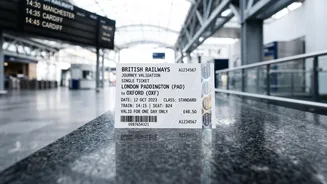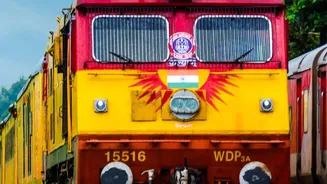





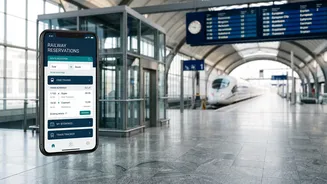


The annual scramble for Diwali train tickets is a familiar challenge, but this year, the rush is accompanied by a growing threat: fake ticket platforms. As desperation mounts, fraudulent websites and agents prey on travellers.
The Challenge of the Festive Rush
Diwali is a time for family,
celebration, and travel. For millions, this means a journey home via Indian Railways. However, with demand far outstripping supply, tickets on popular routes are often sold out within minutes of the booking window opening. This high-pressure environment creates a fertile ground for scammers who exploit the urgency of travellers trying to secure a last-minute seat. They promise confirmed tickets on sold-out trains, often at inflated prices, only to deliver fake or invalid PNRs. These scams not only result in financial loss but can also leave families stranded during one of the most important times of the year.
Official and Authorised Channels Are Your Safest Bet
To avoid falling victim to fraud, your first and most important rule is to stick to official booking channels. The only official website for Indian Railways ticketing is www.irctc.co.in. For mobile users, the official app is 'IRCTC Rail Connect', available on both Android and iOS. Be extremely wary of websites with similar-looking URLs or apps shared via WhatsApp or Telegram, as these are common tactics used to create convincing fakes. If you must use a travel agent, ensure they are an authorised IRCTC agent. A ticket booked by an authorised agent will clearly display their name, agency code, and address. If the ticket simply says 'Normal User' at the top, it was booked using a personal ID, which is illegal for commercial resale and a major red flag.
Red Flags to Watch For
Scammers often give themselves away if you know what to look for. Be vigilant for these warning signs: Unbelievable Offers: The most common bait is the promise of a confirmed ticket on a train that is officially fully booked. Scammers may even claim to have access to a special 'insider' or 'railway officer' quota, which is a fabrication. Suspicious Website URLs: Fraudulent sites often have URLs that are slightly different from the official one, such as using 'irctc.creditmobile.site' instead of 'irctc.co.in'. Always double-check the web address before entering any personal or payment information. Unsecure Payment Methods: Legitimate platforms offer secure payment gateways like credit/debit cards, net banking, and official wallets. Scammers will often insist on direct bank transfers or UPI payments to personal accounts, which offer little to no fraud protection. High-Pressure Tactics: Be wary of anyone creating a false sense of urgency, telling you an offer expires in minutes or that you must pay immediately to secure the seat. * Poor Quality Tickets: A fake e-ticket PDF may have a blurry IRCTC logo, spelling errors, or missing details. Always verify your PNR status on the official IRCTC website or app immediately after purchase.
Understanding the Tatkal System
For many, the Tatkal scheme is the last hope for a confirmed ticket. Bookings for AC classes open at 10 AM and for non-AC classes at 11 AM, one day before the train's departure from its originating station. Due to immense demand, these tickets are gone in seconds. To increase your chances, use the 'Master List' feature on the IRCTC platform to save passenger details in advance. Remember that authorised agents are barred from booking Tatkal tickets for the first 30 minutes of the window opening, a measure to give individual users a fairer chance. Since July 2025, Aadhaar authentication is also mandatory for Tatkal bookings to curb misuse.
What to Do If You've Been Scammed
If you suspect you have been sold a fake ticket, act quickly. First, contact your bank immediately to report the transaction, especially if you paid by credit or debit card, and request a chargeback. You should also file a formal complaint. You can report the fraud on the National Cyber Crime Reporting Portal at cybercrime.gov.in. Additionally, you can file a complaint with the Railway Protection Force (RPF) or through the IRCTC customer grievance portal, as the RPF has the authority to act against illegal ticket agents. Preserve all evidence, including payment receipts, WhatsApp chats, and the fake ticket itself, as this will be crucial for any investigation.