






The Problem with a Daily Sprinkle
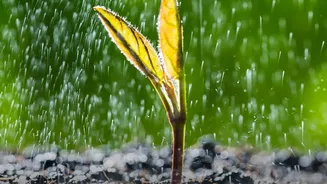
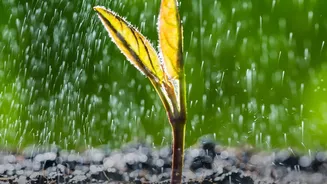
Watering your lawn and garden with a light, frequent spray might feel responsible, but it often does more harm than good. This method, known as shallow watering, only moistens the top few inches of soil. This encourages plants to develop weak, shallow root
systems that stay near the surface, waiting for their next quick drink. These underdeveloped roots make plants highly vulnerable. During a hot spell or if you miss a day, the top layer of soil dries out quickly, leaving the shallow-rooted plants stressed and unable to access moisture deeper down. Furthermore, much of the water from a light sprinkle can be lost to evaporation before it even penetrates the soil, and keeping the foliage constantly damp can create ideal conditions for fungal diseases.
Why Deep Soaking Builds Resilient Plants
The superior alternative is to water deeply and less frequently. A thorough soaking pushes moisture far down into the soil, typically six to eight inches or more. This encourages your plants' roots to grow downward in search of that deep water reservoir. The result is a robust, extensive root system that anchors the plant firmly and makes it far more resilient. Plants with deep roots can better withstand periods of drought because they can tap into moisture that remains in the lower soil layers long after the surface has dried out. This method is also more water-efficient, as less is lost to immediate evaporation. By training your plants to be more self-sufficient, you create a stronger, healthier, and more stress-resistant garden overall.
How to Water Deeply and Effectively
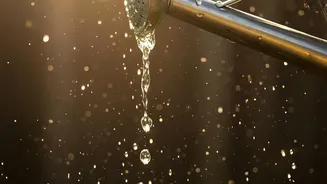
Deep watering isn't about blasting your plants with a powerful jet of water. The key is to apply water slowly so the soil has time to absorb it. A fast, heavy flow can cause runoff, wasting water and potentially eroding your topsoil. Instead, use a soaker hose, drip irrigation system, or a gentle setting on your nozzle aimed at the base of the plant. A good rule of thumb for established plants is to provide about one inch of water per week, delivered in one or two sessions, depending on heat and rainfall. To know how long that takes, you can place an empty can on your lawn while the sprinkler is on; when it's full, you've applied about an inch of water. For garden beds, the 'screwdriver test' is effective: after watering, wait about 30 minutes, then push a long screwdriver or trowel into the ground. If it goes in easily to a depth of 6-8 inches, you've watered deeply enough.
Read the Signs, Don't Just Follow a Schedule
The most effective watering strategy is to respond to your plants' needs rather than sticking to a rigid daily or weekly schedule. The easiest way to check is to feel the soil. Push your finger about two inches down; if the soil feels dry at that depth, it's time to water. Visual cues can be tricky, as both over and underwatered plants can look wilted or have yellow leaves. However, an underwatered plant's leaves will often feel dry and crispy, and the soil will be dry to the touch. An overwatered plant's leaves may feel soft and limp, and the soil will be soggy. Learning to recognize these differences will help you provide water only when it's truly needed, preventing the twin problems of drought stress and root rot.
Adjusting for Soil and Plant Types
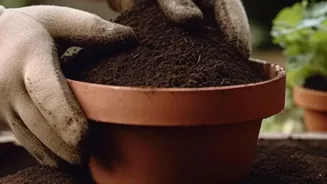
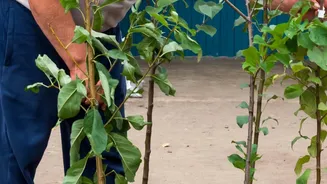
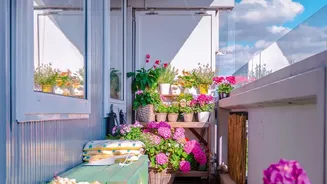
While the principle of deep watering is universal, you may need to tweak your approach based on your garden's specific conditions. Soil type makes a big difference; sandy soils drain quickly and may need more frequent deep soaks, while heavy clay soils absorb water slowly and retain it for longer, requiring more patience during watering to avoid runoff. Adding compost and mulch can significantly improve your soil's ability to hold water. Plant type also matters. Newly planted shrubs and seedlings need more frequent attention until their root systems are established. Container plants are a special case, as they dry out much faster than plants in the ground and will likely require more frequent watering, sometimes even daily during a heatwave.