


Beyond The Barfi
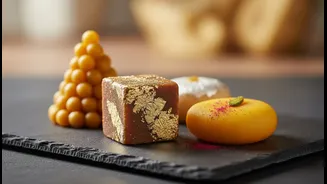
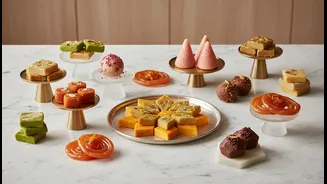
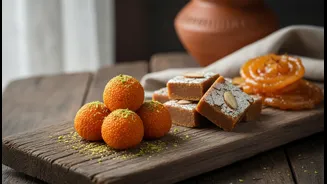
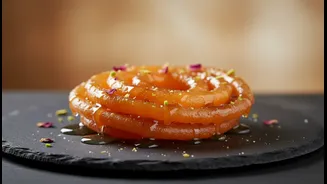
For generations, Indian sweets, or mithai, have been synonymous with festivals, celebrations, and gestures of goodwill. Their forms and flavours were a comforting constant. Now, a wave of culinary innovation is sweeping through the industry. Mithai is no longer
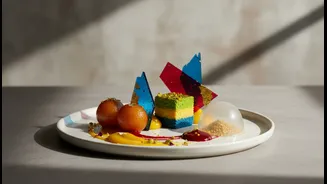
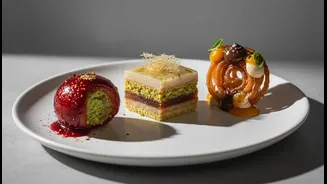
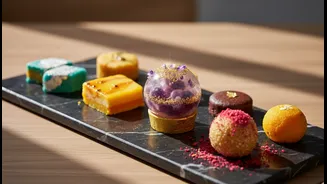
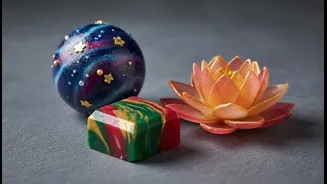
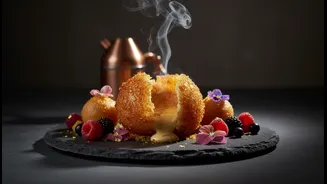
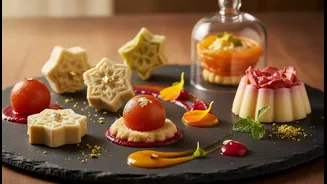
just the domain of the neighbourhood halwai; it's becoming a canvas for gourmet expression. Artisanal makers and pastry chefs are deconstructing and reconstructing these beloved sweets, giving them new forms, textures, and even flavour pairings, while aiming to preserve the soul of the original. This isn’t about replacement, but evolution—a way to make the sweets of our childhood relevant and exciting for the modern palate.
The New Mithai Artisans
At the forefront of this movement are pioneering brands and chefs who treat mithai with the same reverence as French patisserie. Names like Bombay Sweet Shop, Khoya, and Arq are becoming synonymous with this modern makeover. These confectioners are blending age-old family recipes and techniques with contemporary culinary practices. They prioritise high-quality, natural ingredients and often work in small batches, ensuring a level of craftsmanship that elevates mithai from a simple sweet to a luxury experience. Chefs like Girish Nayak of Bombay Sweet Shop and Ajay Chopra with his Kshir & Canelé brand are thoughtfully combining Indian tradition with global techniques, creating sweets that tell a story of both heritage and innovation.
Taste Remains King
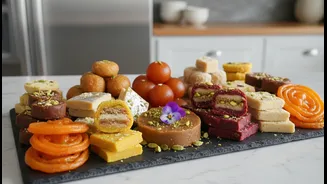
While the presentation is new, the core principle is that taste remains paramount. The innovation is not about abandoning classic flavours but enhancing them. You might find a besan ladoo infused with hazelnut, a barfi layered with coffee or matcha, or a motichoor ladoo flavoured with rose. Some creations are even more daring, like cheesecake-inspired barfis or fusion desserts that borrow from Western classics, such as a rasmalai tres leches or a gajar halwa tart. Others are simply reshaping the familiar, like turning kaju katli into a convenient, shareable bar. The goal is to create a moment of delightful surprise, where a familiar taste is discovered within an unexpected form.
An Instagrammable Revolution
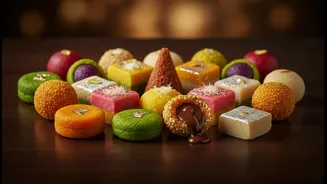
A key driver of this trend is a shift in consumer aesthetics, heavily influenced by social media. Today's consumers, particularly millennials and Gen Z, want food that is as visually appealing as it is delicious. Modern mithai, with its intricate designs, vibrant colours, and artistic presentation, is made for the Instagram grid. Brands are investing heavily in beautiful, design-led packaging, transforming a simple box of sweets into a coveted gift. This visual appeal helps bridge the gap between traditional sweets and a younger generation that is accustomed to global dessert trends, making mithai 'cool' and culturally relevant again.
Health and Heritage in Harmony
The mithai makeover is also a response to growing health consciousness. Many consumers are seeking out treats that are less indulgent without sacrificing flavour. In response, artisans are creating sugar-free or low-sugar versions of classics, using natural sweeteners like jaggery, dates, and stevia. There is also a move towards cleaner labels, focusing on all-natural ingredients and even creating vegan options using plant-based milks. This shift allows mithai to fit into a modern, wellness-oriented lifestyle. It’s a harmonious blend of looking forward with new forms and flavours, while also looking back to honour the purity of ingredients and the rich heritage of Indian sweets.