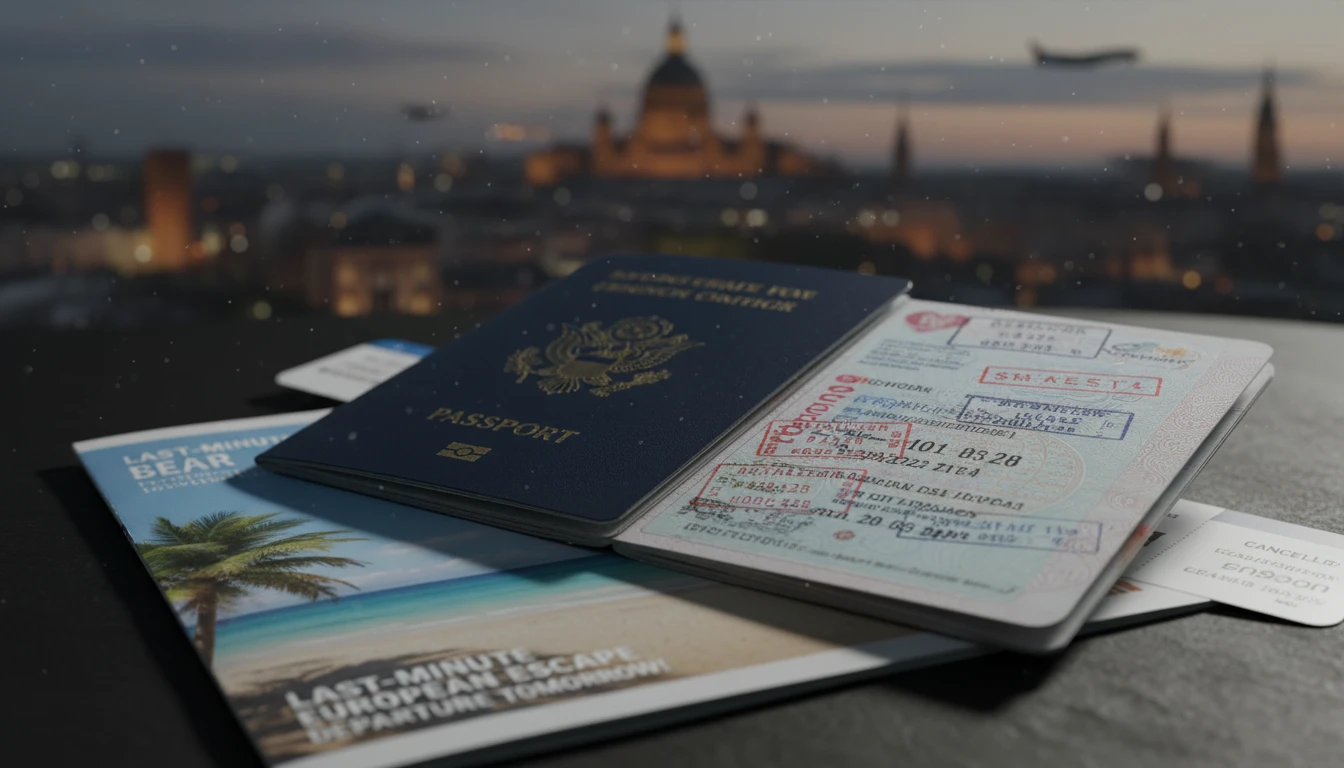









The Visa Gauntlet: Why Is This Happening?
Planning a European holiday has become more complex than just picking destinations. A massive surge in travel demand from India post-pandemic has overwhelmed Schengen embassies. With over 1.15 million applications filed by Indians in 2025 alone, the system
is under immense pressure. This has created a bottleneck, with appointment slots at visa application centres like VFS Global becoming scarce. Wait times just to get an appointment can stretch from three to eight weeks, especially during peak seasons like autumn. Once submitted, the official processing time is about 15 calendar days, but this can easily extend to 30 or even 45 days during busy periods. This long and unpredictable timeline is where the budget distortions begin.
The Application Cost: More Than Just a Fee
The standard Schengen visa fee for an adult is €90, which is non-refundable whether your visa is approved or not. This translates to a significant loss for the high number of rejected applications; in 2023, Indian applicants lost an estimated ₹109 crore in rejected visa fees alone. But the expenses don't stop there. The total upfront cost, including mandatory travel insurance and service charges from visa centres, often lands between ₹11,000 and ₹15,000 per person. Desperate to secure a slot, many applicants turn to 'premium lounge' services at visa centres or pay third-party agents, which can add thousands more to the bill for services that don't guarantee a faster visa decision, only a more comfortable application experience.
The 'Book First' Trap: A High-Stakes Gamble
Schengen visa applications require proof of travel, including confirmed flight itineraries and hotel bookings for the entire duration of the trip. This puts first-time applicants in a precarious position. To get the best prices, travellers typically book flights and accommodation months in advance. However, with visa decisions taking weeks or even months, these non-refundable bookings become a massive financial risk. If the visa is delayed or, in a worst-case scenario, rejected, applicants can stand to lose the entire cost of their trip before it even begins. This gamble between securing affordable travel and waiting for a visa approval is the single largest source of budget distortion.
The Last-Minute Scramble: Paying the Price for Delays
For those who do receive their visas after a long wait, the financial pain often continues. A visa arriving just days before the intended travel date forces a frantic, last-minute booking scramble. Flights and hotels that were affordably priced months ago will now command premium, last-minute rates, potentially doubling the original travel budget. This ripple effect means that even with an approved visa, the initial budget is rendered obsolete. The choice becomes either to pay the inflated prices or to cancel the trip, having already spent a significant amount on the non-refundable visa process itself.
Smart Strategies to Safeguard Your Budget
While the situation is challenging, there are ways to mitigate the financial risks. The most crucial step is to apply as early as possible—up to six months before your travel date. When booking, prioritize fully refundable flights and hotels. While these options are often more expensive upfront, they provide a critical safety net, allowing you to cancel without a major loss if your visa doesn't arrive in time. Look for airlines and booking platforms that explicitly state their refund policies. Additionally, consider applying to consulates of countries with historically faster processing times or lower application volumes, such as Greece or the Netherlands, provided your itinerary supports it.