





Aggressively Rubbing with a Terry Towel
The first instinct after a hair wash is often to vigorously rub it dry with a thick, terrycloth towel. This is one of the most damaging habits, especially during the monsoon. Wet hair is in its most fragile state; the hair cuticles are swollen and raised
due to moisture. The harsh friction from a rough towel can lift these cuticles further, causing frizz, tangles, and even breakage. Instead of rubbing, gently squeeze excess water from your hair. Opt for a soft microfiber towel or an old cotton t-shirt, which are much gentler on the hair shaft and absorb water effectively without creating friction.
Tying Up Wet or Damp Hair
Busy mornings might tempt you to pull your damp hair into a ponytail or bun, but this is a major mistake, particularly in humid weather. When you tie up wet hair, you trap moisture against the scalp for prolonged periods. This warm, damp environment is an ideal breeding ground for fungi and bacteria, which can lead to dandruff, scalp irritation, and infections. Furthermore, wet hair is more elastic and weaker than dry hair. Tying it tightly puts strain on the fragile strands and roots, leading to significant breakage and even a type of hair loss called traction alopecia over time. Always let your hair dry completely before tying it up. If you must, opt for a very loose braid or ponytail.
Immediately Blasting It with High Heat
While air-drying can take forever during the monsoon, reaching for the blow-dryer and turning it to the highest heat setting is not the solution. Exposing soaking wet hair to intense heat causes the water within the strands to turn into steam and expand rapidly, which can damage the hair's internal structure. A better approach is to let your hair air-dry until it's about 70-80% dry. Then, use a blow-dryer on a low-heat or cool setting to finish the job. Always keep the dryer moving and hold it at least six inches away from your hair to distribute the heat and minimise damage.
Combing or Brushing When Soaking Wet
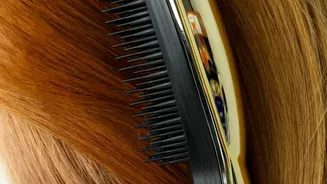
Your hair is at its most vulnerable when it's saturated with water. The strands are stretched and fragile, making them highly susceptible to snapping under pressure. Using a regular brush or a fine-toothed comb to detangle soaking wet hair will inevitably lead to breakage and unnecessary hair fall. Instead, wait until your hair is damp. Use your fingers to gently separate any large knots first. Then, use a wide-tooth comb, starting from the ends and gradually working your way up to the roots to carefully remove any remaining tangles. This gentle approach minimises stress on the hair shaft.
Skipping a Protective Leave-In Product
Drying your hair without applying any product can leave it exposed to the monsoon humidity. High humidity causes the hair cuticle to swell as it absorbs moisture from the air, resulting in the dreaded frizz. Applying a leave-in conditioner or an anti-frizz serum to damp hair before it dries can make a world of difference. These products work by sealing the hair cuticle and creating a protective barrier that helps to block out environmental moisture. This not only helps in taming frizz but also adds a layer of conditioning that makes hair softer and more manageable.
Sleeping with Damp Hair
Going to bed with a damp scalp and hair is another common habit that can lead to problems during the monsoon. Similar to tying wet hair, sleeping on it traps moisture against your scalp and pillow for hours. This not only encourages fungal growth and dandruff but also causes breakage as you toss and turn. The friction between your wet, fragile hair and the pillowcase can lead to a frizzy, tangled mess in the morning. Ensure your hair is completely dry before you hit the pillow. If you wash your hair in the evening, allow ample time for it to air-dry or use a blow-dryer on a cool setting.