




Before You Go: Your Pre-Departure Checklist
Spontaneity is great, but the monsoon demands a little more foresight. Before you step out, a quick five-minute check can save you hours of frustration. Start with a reliable weather app. Don't just look at the rain icon; check the hourly forecast for intensity
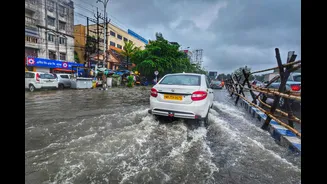
and timing. Apps from the India Meteorological Department (IMD) or other trusted sources provide detailed 'Nowcasts' and colour-coded alerts. A 'Yellow' alert means be aware, while an 'Orange' or 'Red' alert suggests reconsidering travel, especially to hilly or coastal areas. Next, check live traffic updates. Heavy rain can lead to immediate waterlogging on key roads, turning a 30-minute drive into a two-hour ordeal. Recent downpours in cities like Delhi and Gurugram caused severe traffic snarls and flight diversions, showing how quickly conditions can change. Finally, a quick scan of local news or municipal corporation social media accounts can provide real-time information on public transport disruptions or road closures.
The Smart Way to Travel
If your weekend involves a road trip or even just navigating the city, adjusting your travel strategy is key. For long drives, especially in hilly regions, start early as mornings are often clearer. Avoid driving in ghat sections at night, as fog and loose stones pose significant risks. Always let someone know your route and expected arrival time. Recent events in Himachal Pradesh showed that even major roads can be blocked by landslides, closing off access for hours or days. Within the city, waterlogged streets are the main challenge. Avoid walking through stagnant water, as it can hide open manholes and spread water-borne diseases. For footwear, prioritise grip and waterproof materials over style. If relying on public transport, be prepared for delays. For those flying, give yourself plenty of extra time to get to the airport; traffic jams during heavy rain are a frequent cause of missed flights.
Your Monsoon Survival Kit
A small, well-packed bag can be a lifesaver. Your monsoon kit should start with the basics: a sturdy umbrella and a lightweight raincoat. Pack synthetic, quick-drying clothes instead of cotton, which stays damp and can lead to skin infections. Electronics are particularly vulnerable. Keep your phone, wallet, and any other gadgets in waterproof bags or pouches. A fully charged power bank is non-negotiable, as power cuts can accompany heavy storms. Also include a basic first-aid kit with antiseptic wipes, bandages, and any personal medications. Mosquito repellent is another essential, as stagnant water becomes a breeding ground for mosquitoes carrying diseases like dengue and malaria. And finally, pack some snacks and a bottle of clean drinking water to avoid consuming street food, which carries a higher risk of contamination during this season.
Plan B: Embracing the Great Indoors
Sometimes, the smartest plan is to cancel the outdoor one. But staying in doesn't have to mean a boring weekend. Frame it as an opportunity to enjoy activities you usually don't have time for. Transform your home into a weekend destination. Plan a movie marathon, perhaps with a theme, or finally binge-watch that series everyone is talking about. Dig out the board games or a pack of cards for some classic, screen-free fun with family or friends. The monsoon is also the perfect time for culinary experiments. The comforting aroma of freshly baked goods or the sizzle of homemade pakoras is a quintessential part of the season. For those seeking culture, many museums and art galleries offer virtual tours on their websites. You could also use the time to learn a new skill through an online workshop, from pottery to a new language.