


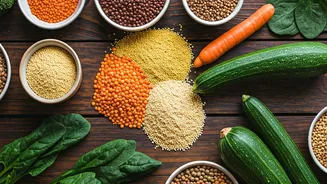


The Power of Pulses
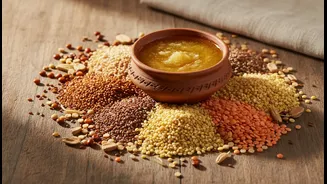
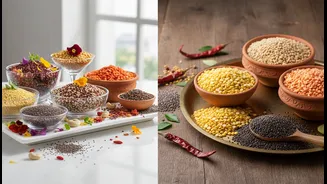
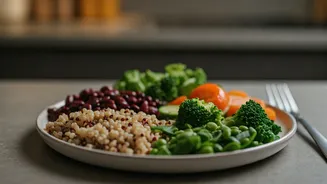
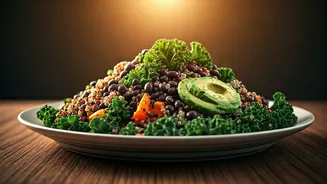
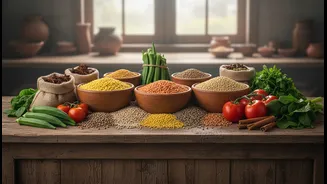
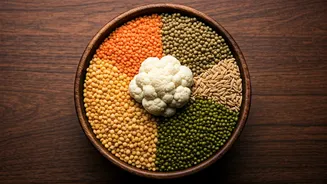
Lentils, beans, and chickpeas are the foundation of budget-friendly, healthy eating in India. Pulses like masoor, moong, and toor dal, as well as chana (chickpeas) and rajma (kidney beans), are packed with protein and fibre. This powerful combination
keeps you feeling full and provides sustained energy. A simple dal tadka, chana masala, or a mixed lentil soup is not only comforting but also incredibly nutritious and easy on the wallet. Buying these staples dry and in bulk can further reduce costs, making them one of the most economical sources of plant-based protein available.
Embrace Ancient Grains
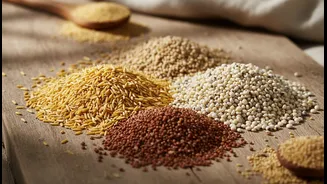
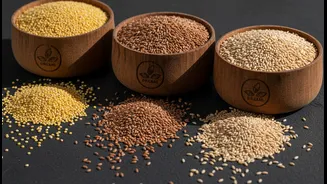
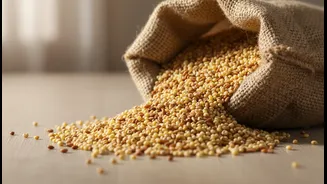
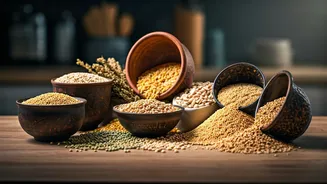
While rice and whole wheat are staples, exploring other Indian grains like millets can significantly boost your diet's nutritional value. Grains such as jowar (sorghum), bajra (pearl millet), and ragi (finger millet) are gluten-free, rich in fibre, and have a lower glycemic index compared to refined flours. They are also incredibly versatile. You can make rotis from bajra, dosa from ragi, or a simple upma or khichdi with other millet varieties. These grains are generally inexpensive and provide a wealth of nutrients like magnesium, iron, and calcium.
Make Eggs Your Go-To Protein
For non-vegetarians, and those who include them in their diet, eggs are arguably the most cost-effective source of high-quality protein in India. At just a few rupees each, an egg provides about 6 grams of complete protein along with essential nutrients like Vitamin D and B12. They are quick to cook and can be prepared in countless ways — boiled, scrambled, or as an omelette filled with vegetables. A simple egg curry with a side of rice or roti makes for a filling, protein-packed meal that is both cheap and healthy.
Follow the Seasons for Vegetables
One of the easiest ways to save money and eat healthier is to buy vegetables that are in season. Seasonal produce is fresher, more nutritious, and always cheaper because it's available in abundance. Instead of searching for expensive, out-of-season vegetables, focus on what your local sabziwala is selling. Gourds like lauki and pumpkin, leafy greens like spinach and methi (fenugreek), and root vegetables like carrots are all excellent, low-cost options when in season. A simple stir-fry or sabzi made with seasonal vegetables is a great way to get your daily dose of vitamins and minerals.
Harness the Power of Spices
A well-stocked masala dabba is essential for turning simple ingredients into a flavourful meal. Spices not only add taste but also come with a host of health benefits. Turmeric is known for its anti-inflammatory properties, cumin aids digestion, and fenugreek can help regulate blood sugar. Using spices allows you to create delicious dishes with minimal oil and salt, making your home-cooked meals healthier. Instead of relying on expensive packaged sauces and seasonings, a few basic Indian spices can elevate the taste of any dal, sabzi, or rice dish.
Smart Snacking with Peanuts
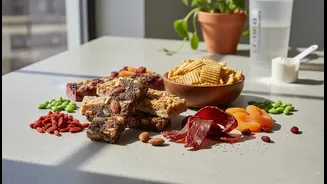
Packaged snacks are often expensive and unhealthy. A handful of peanuts, however, is a budget-friendly and nutritious alternative. Peanuts are a good source of protein, healthy fats, and iron. They are incredibly versatile — you can have them roasted as a simple snack, add them to poha for a crunchy texture and protein boost, or make homemade peanut chutney. They provide a quick energy boost and can help satisfy hunger between meals, preventing you from reaching for less healthy, processed options.