





Choose Your Monsoon Champions
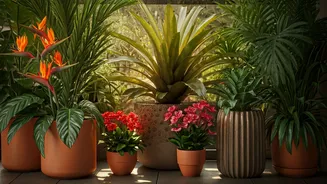
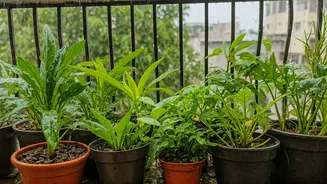
The key to a successful monsoon garden is selecting plants that adore the high humidity and regular watering this season brings. Not all plants are suited for the continuous moisture, so picking the right ones is your first step. Flowering plants like
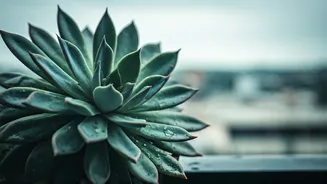
hibiscus, jasmine (mogra), balsam, and marigolds flourish during the rains, adding a vibrant splash of colour to your balcony. For lush foliage, consider money plants, ferns, peace lilies, and areca palms, which thrive in the humid conditions. If you have a passion for edibles, this is the perfect time to grow herbs like mint, coriander, and even vegetables like spinach and okra in containers. Avoid succulents and cacti in open areas, as they are prone to rotting with excess water.
The Golden Rule: Perfect Drainage
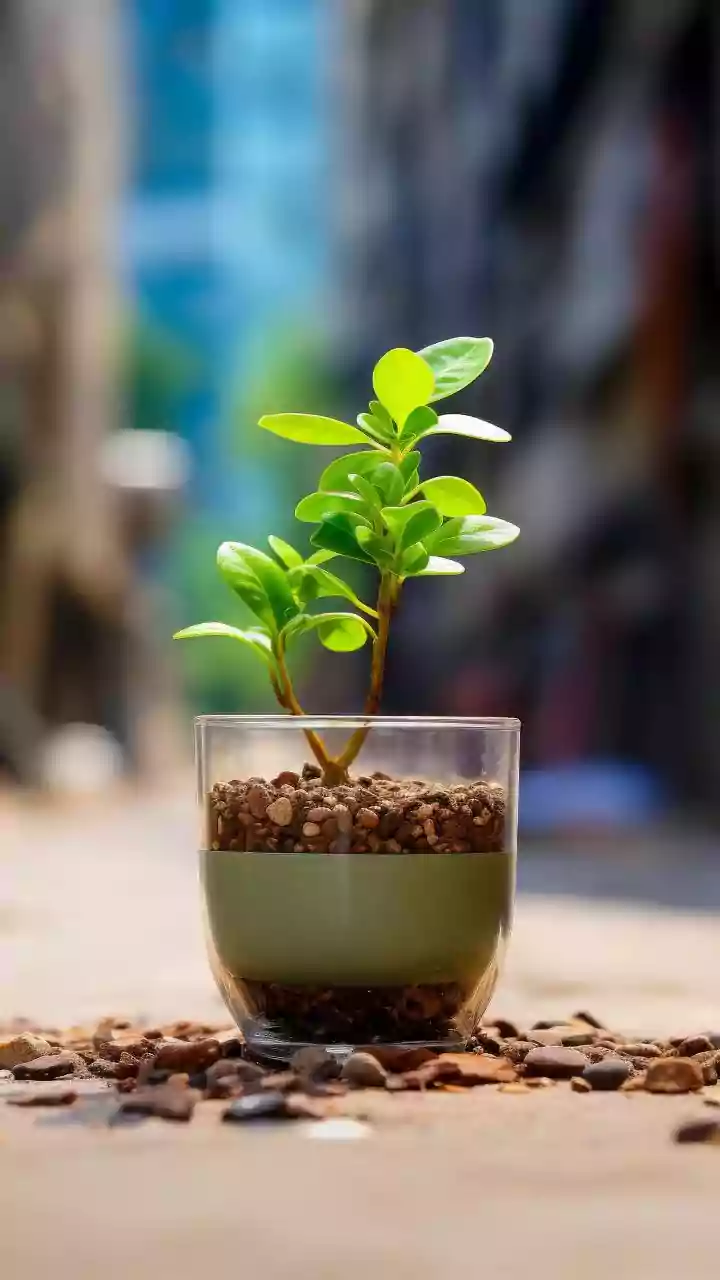
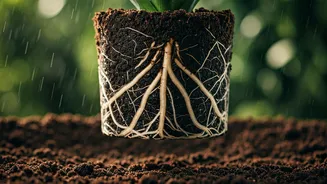
Waterlogging is the number one enemy of potted plants during the monsoon. When roots sit in stagnant water, they can't get oxygen, leading to root rot. Your primary defence is ensuring every pot has functional drainage holes. Before planting, you can cover the hole with a piece of a broken pot or mesh to prevent soil from clogging it. Using a well-draining potting mix is also crucial. A good combination is garden soil mixed with cocopeat and sand or perlite, which keeps the soil loose and allows excess water to escape easily. Elevating your pots on stands or bricks is another simple yet effective trick to improve airflow and prevent them from sitting in puddles.
Smart Watering and Shelter
It may seem counterintuitive, but you still need to monitor your plants' water needs during the monsoon. Don't assume the rain is doing all the work. On days with no rain, check the top inch of the soil; if it feels dry, it's time to water. Conversely, after heavy showers, it's vital to ensure pots are not waterlogged. Always empty the trays or saucers placed under pots to prevent water accumulation, which can lead to root rot and become a breeding ground for mosquitoes. For more delicate plants, consider providing some form of shelter. Moving them under an overhang or even temporarily using a plastic sheet can protect them from the force of heavy downpours and strong winds.
Pest and Disease Management
High humidity is a breeding ground for fungal infections and pests. Regular inspection is your best defence. Check the undersides of leaves for common pests like aphids, mealybugs, and whiteflies. A simple, organic solution is a neem oil spray. Mix a small amount of neem oil with liquid soap and water, and spray it on your plants every 10-15 days as a preventative measure. Good air circulation between plants can also help prevent fungal issues like powdery mildew. Pruning dead or yellowing leaves and spent flowers not only keeps your garden looking tidy but also improves airflow and prevents the spread of disease.
Fertilising in the Rainy Season
Plants experience a growth spurt during the monsoon, but this doesn't mean you should overdo the fertiliser. The frequent rain can wash away nutrients from the soil, so a little boost is helpful, but too much can harm the roots. Opt for organic fertilisers like vermicompost or well-rotted manure. Apply it in small quantities every three to four weeks. It's best to avoid fertilising right before or during a heavy downpour, as the nutrients will simply be leached out of the pot. A light feeding will provide the necessary nourishment to support the lush new growth your plants will put on during this vibrant season.