



An Overlooked Kitchen Gem
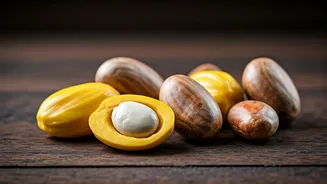
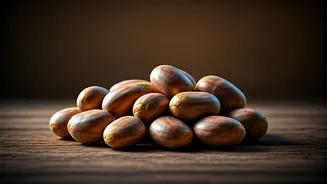
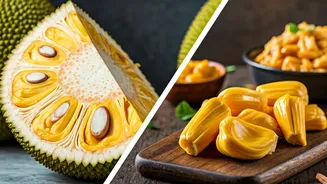
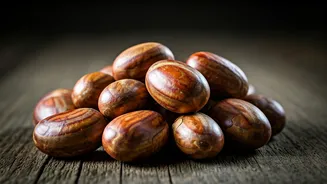
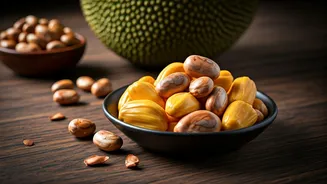
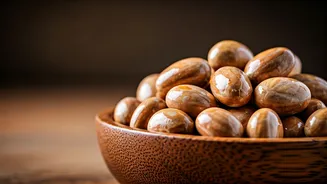
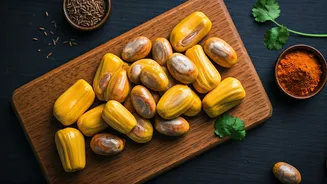
In many parts of India, the end of jackfruit season doesn't just mean enjoying the last of the sweet, fleshy pods; it also means a bounty of seeds. Often discarded, these large, oval seeds are a culinary treasure in their own right. Traditionally, they
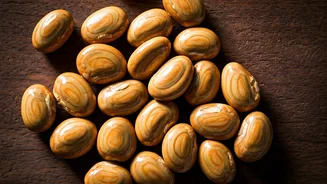
have been saved, dried, and used throughout the year in a variety of dishes, from curries to simple stir-fries. When cooked, their texture is surprisingly delightful, somewhere between a roasted chestnut and a firm potato. They have a mild, nutty flavour that makes them incredibly versatile, as they readily absorb the spices and aromas of the dishes they are cooked in. This adaptability is why they have been a staple in regional cuisines across states like Kerala, Tamil Nadu, and Assam for centuries.
A Surprising Nutritional Boost
Beyond their taste and texture, jackfruit seeds are packed with nutritional benefits. They are a good source of plant-based protein and carbohydrates, making them a hearty and filling addition to any meal. The seeds are also rich in dietary fibre and resistant starch, which can aid digestion and help maintain gut health. Furthermore, they contain essential minerals like potassium, magnesium, and iron, as well as B vitamins such as thiamine and riboflavin. These nutrients contribute to everything from energy levels to bone strength, making the seeds a valuable component of a balanced diet.
Essential Step: Cook Them Properly
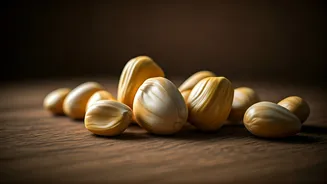
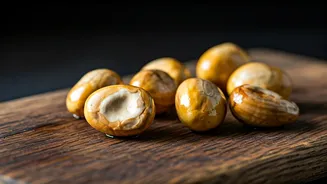
It is crucial to never eat jackfruit seeds raw. Raw seeds contain compounds known as antinutrients, like tannins, which can interfere with your body's ability to absorb essential nutrients and may cause digestive issues. The good news is that heat completely neutralises these compounds. Proper cooking makes the seeds safe, delicious, and unlocks their nutritional value. The most common methods are boiling or roasting. To boil, simply cover the seeds with water in a pot and simmer for 20-30 minutes until they are tender enough to be pierced with a fork. After boiling, let them cool, and the outer white, papery skin will peel off easily. The thin, brown layer underneath is edible and can be left on.
Comfort in a Curry Bowl
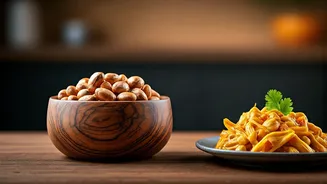
One of the most comforting ways to enjoy jackfruit seeds is in a curry. Their starchy texture is perfect for soaking up rich, flavourful gravies. A popular South Indian preparation is a creamy, coconut-based curry, sometimes known as 'Chakka Kuru Erissery' or a kurma. To make a simple version, start by boiling and peeling the seeds. In a pan, sauté onions, ginger, garlic, and green chillies. Add spices like turmeric, red chilli powder, and garam masala, followed by the boiled seeds. Pour in a ground paste of fresh coconut or simply use coconut milk, add a little water, and let it simmer until the gravy thickens and you see traces of oil on the surface. This rustic and earthy curry pairs beautifully with plain rice or roti.
A Simple, Crunchy Roasted Snack
For a quick and satisfying snack, roasting is the way to go. Once the seeds are boiled and peeled, you can pan-roast them or bake them in the oven. To pan-roast, heat a bit of oil in a skillet and add the boiled seeds. Toss them with your favourite spices—a simple mix of salt, turmeric, and a pinch of cayenne or smoked paprika works wonderfully. Stir them often until they are golden brown and slightly crisp on the outside. Alternatively, you can preheat your oven to around 200°C (400°F), spread the seeds on a baking sheet, and roast for about 20 minutes. This simple snack is a wholesome alternative to processed chips and is popular as a street-style food in many parts of South India.