

From fluffy bhaturas to flaky parathas, refined flour (maida) is a staple in many Indian kitchens. But what if a simple switch could make your everyday meals significantly more nutritious? Enter ancient grains, the pantry powerhouses of the past.
The Trouble with 'Maida'
Refined
flour, or maida, is made by stripping whole wheat grains of their bran and germ. This process removes most of the fibre, vitamins, and minerals, leaving behind a starchy endosperm that offers little more than empty calories. While it gives baked goods a light texture, a diet heavy in refined flour can lead to blood sugar spikes and leave you feeling hungry sooner. Over time, this can contribute to various health concerns. The alternative isn't about giving up your favourite foods, but about upgrading the core ingredient.
The Rise of India's Ancient Grains
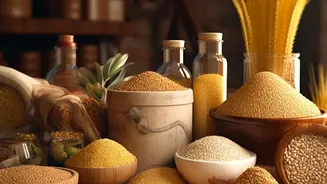
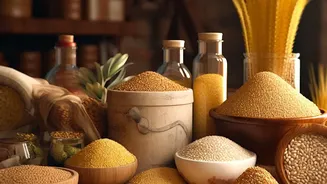
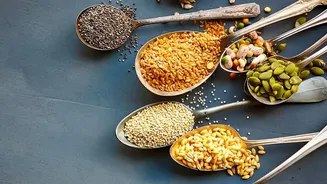
Ancient grains are, simply put, grains that have been largely unchanged for centuries. In India, this isn't a new trend but a return to our roots. For thousands of years, millets like jowar (sorghum), bajra (pearl millet), and ragi (finger millet) were staples across the country before high-yield wheat and rice became dominant. These grains are not only deeply woven into our culinary heritage but are also incredibly resilient, requiring less water to grow. Today, they are celebrated for their dense nutritional profiles, offering a powerful combination of fibre, protein, and essential micronutrients.
Jowar (Sorghum): The All-Rounder
Jowar is a versatile, gluten-free grain with a mild flavour, making it an easy substitute in many dishes. Traditionally used to make bhakri or jolada roti, jowar flour can also be used for cheelas, pancakes, and even in baking. It’s a great source of dietary fibre, which aids digestion, and its complex carbohydrates provide a steady release of energy. You can also use it to thicken soups and stews, adding a nutritional boost without altering the taste significantly. For a healthy dessert, try making jowar ladoos with jaggery and nuts.
Bajra (Pearl Millet): The Winter Warmer
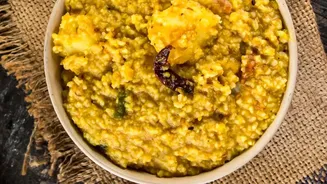
Known for its warming properties, bajra is a winter staple in many parts of India, especially Rajasthan and Gujarat. This gluten-free grain is rich in iron, protein, and magnesium, which is important for heart health. Its high fibre content promotes a feeling of fullness, aiding in weight management. The classic bajra roti, served with a dollop of ghee, is a simple delight. Beyond rotis, bajra can be used to make khichdi, porridge, and even parathas stuffed with vegetables.
Ragi (Finger Millet): The Calcium Champion
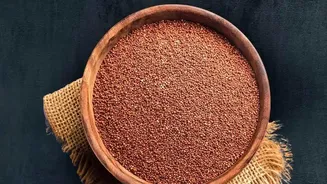
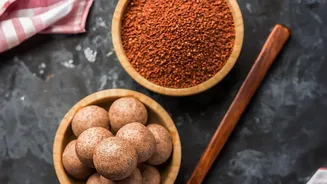
Ragi is a nutritional powerhouse, renowned for being one of the best plant-based sources of calcium, which is vital for bone health. It's also packed with iron and fibre. Its low glycemic index makes it an excellent choice for managing blood sugar levels. With a mild, nutty taste, ragi is incredibly versatile. It is famously used to make porridge, dosas, and idlis in South India. You can also make ragi rotis, pancakes, and even add the flour to cookies and cakes for a healthy twist.
Rajgira (Amaranth): The Protein Powerhouse
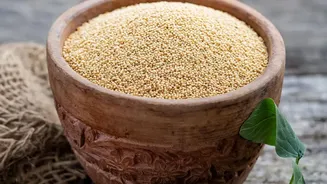
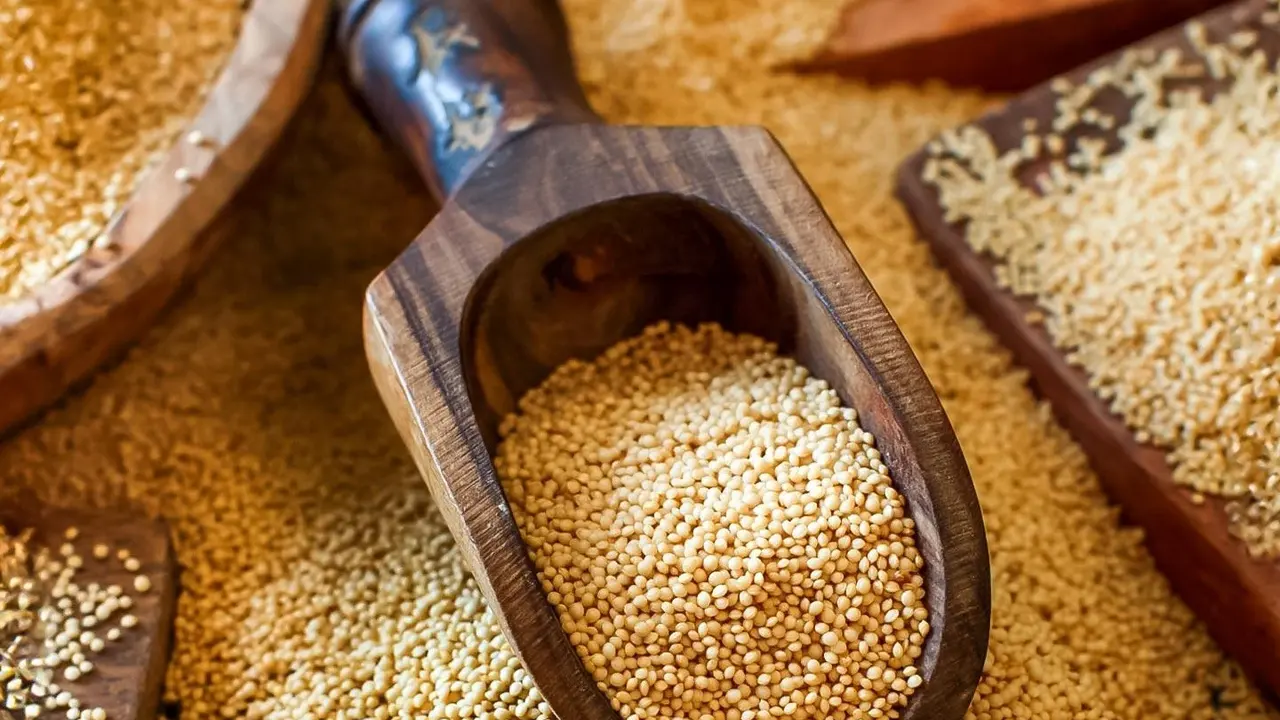
Another gluten-free ancient grain, rajgira or amaranth, is considered a complete protein because it contains all nine essential amino acids. It's also a good source of iron, magnesium, and calcium. Amaranth flour is often used during fasting periods to make puris and parathas. Its nutty flavour works well in both sweet and savoury dishes. You can use the flour to make baked goods like cookies and burfi, or add popped amaranth seeds to salads and yogurt for a crunchy texture.
Making the Switch Simple
Transitioning to ancient grains doesn't require a complete pantry overhaul. Start by blending ancient grain flours with your regular wheat flour. A 70:30 ratio of wheat to millet flour is a great starting point for rotis, making them softer while boosting their nutritional value. Try substituting one wheat roti a day with a jowar or bajra roti. Use ragi or jowar flour to make savoury pancakes (chillas) for a quick, healthy breakfast. Once you get comfortable, you can explore using these flours in everything from dosas to baked treats.