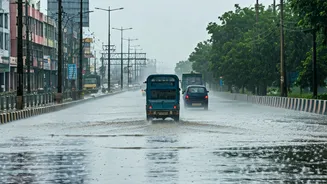









Gridlock Hotspots
The first heavy spells of the monsoon have turned commutes into nightmares. Reports indicate significant waterlogging and traffic snarls in several known trouble spots. According to authorities, 169 locations are prone to waterlogging, with nine underpasses
being particularly vulnerable. [5, 24] These include critical junctions like Minto Bridge, Moolchand Underpass, the area around the Pragati Maidan tunnel, and stretches near ITO and Rajghat. [5, 24] Other affected areas identified based on past data include those near the Delhi Secretariat, Indira Gandhi Indoor Stadium, and the foot of the Moti Bagh flyover. [5, 10] The Delhi Traffic Police has been issuing advisories, but the sheer volume of water has rendered many key arterial roads impassable, leading to cascading jams across the city.
An Old Drainage Problem
While the monsoon is an annual event, the city's crippling response is rooted in decades-old infrastructure. Experts point out that Delhi's drainage system, largely based on a 1976 master plan, is outdated and designed to handle only about 50 mm of rain. [3, 4] Any spell exceeding this capacity overwhelms the network. Over the years, rapid and often unplanned urbanisation has drastically increased paved surfaces, reducing the earth's natural ability to absorb rainwater. [4, 8] This means a much higher volume of runoff water is now forced into a drainage system that wasn't built for it. Furthermore, many stormwater drains are often clogged with sewage and solid waste, severely reducing their efficiency and exacerbating the flooding. [4]
Authorities on Alert
In response to the chaos, civic bodies claim to be on high alert. The Delhi government has issued its Flood Control Order for 2026, directing all departments to be prepared. [20] The Municipal Corporation of Delhi (MCD) and Public Works Department (PWD) had earlier initiated annual desilting drives. [9, 13] Reports from before the monsoon's arrival stated that over 70% of desilting work was complete, with a focus on clearing major drains. [13, 14, 16] PWD has also installed temporary pump sets at vulnerable locations and issued standard operating procedures for managing water accumulation, especially in underpasses. [5, 24] The traffic police are actively diverting commuters from the worst-affected areas, though their efforts are often challenged by the widespread nature of the waterlogging. [12]
Navigating the Deluge
For residents, navigating the city during these downpours is a significant challenge. Commuters are advised to check real-time traffic updates on mapping services and the Delhi Traffic Police's social media handles before starting their journey. If possible, delaying travel during peak rainfall hours can help avoid the worst of the gridlock. It is crucial to avoid driving through deeply flooded roads, as this can lead to vehicle breakdowns and pose a safety risk. Motorists should be particularly cautious around underpasses, which are among the first areas to get inundated. For those living in identified low-lying areas, it is wise to monitor weather alerts and be prepared for potential disruptions.