






The Frustration of Inconsistent Bakes
You follow the recipe to the letter. You use fresh ingredients. Yet, somehow, your baked goods are a lottery. One weekend, your muffins have a perfect dome; the next, they are dense and squat. This inconsistency can be maddening, making you question your recipe or
even your oven. More often than not, the culprit isn't the recipe, but how the batter is handled from the bowl to the pan. Uneven portioning is a primary cause of uneven bakes. When some muffin cups have more batter than others, the smaller ones will overbake before the larger ones are cooked through. This results in a mix of dry and undercooked treats from the very same batch.
What is Batter Consistency, Really?
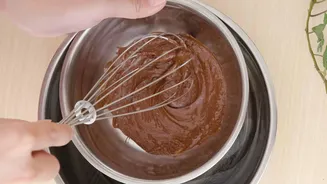
Before we fix the problem, let's define it. Batter consistency refers to its thickness and flow, or what bakers call viscosity. A thin, runny batter will spread more, ideal for crepes, while a thick, scoopable batter is necessary for muffins that hold their shape. The consistency is determined by the ratio of dry to wet ingredients, the temperature of those ingredients, and even how much you mix. Overmixing, for instance, can develop gluten in the flour, resulting in tough, chewy pancakes instead of fluffy ones. The consistency matters because it dictates how well the batter can trap the air created by leavening agents like baking powder, which is what gives cakes and muffins their delightful rise and fluffy texture.
Your New Secret Weapon: The Humble Scoop
Here is the simple, game-changing solution: use a standard, consistent measuring tool to portion your batter. This could be a 1/4-cup dry measuring cup for pancakes or a designated ice cream or cookie scoop for muffins and cupcakes. For standard cupcakes, many bakers find a scoop that holds about 3 to 4 tablespoons is perfect for filling the liners to the ideal two-thirds full mark. The key is not just the volume, but the repetition. By using the same tool and the same scooping motion for every single portion, you ensure that each pancake, muffin, or cupcake starts with an almost identical amount of batter. This leads to uniform size, even baking, and predictable, professional-looking results every single time.
Why This Simple Method Works
Using a scoop or standard cup does more than just measure volume; it creates uniformity in a way that eyeballing or using two spoons cannot. When you dip a scoop into a bowl of batter, you capture not just a certain amount of liquid and flour, but also the air bubbles suspended within it. A consistent scooping action helps ensure each portion has a similar level of aeration. It also makes the process faster and much cleaner, preventing drips and spills that can burn onto your pan. For thinner, pourable batters, a measuring cup with a spout works beautifully. For thicker batters that don't pour easily, a spring-loaded scoop is a baker's best friend, releasing the batter cleanly and efficiently.
Beyond the Scoop: Other Keys to Consistency
While consistent portioning is a huge step, other factors contribute to a perfect batter. Baking is a science, and precision matters. Many professional bakers prefer to weigh their ingredients with a kitchen scale for ultimate accuracy, as a cup of flour can vary in weight depending on how it's packed. Also, pay attention to ingredient temperature; using room temperature eggs and milk helps create a smoother, more uniform emulsion. Finally, respect the recipe's instructions on mixing. Most pancake and muffin batters should be mixed only until the ingredients are just combined—a few lumps are perfectly fine and are a sign you haven't overdeveloped the gluten. Some batters even benefit from a short rest before cooking, which allows the flour to hydrate and the gluten to relax.