

Understanding the Unique Danger of Ghat Fog
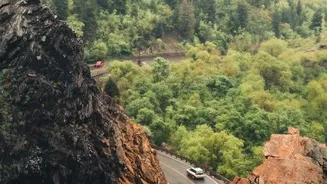
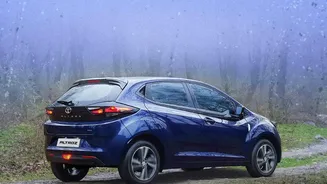
Driving on winding ghat roads at night is challenging enough, but the monsoon adds another layer of complexity: fog. Unlike on open highways, fog in the mountains can appear suddenly in dense patches, drastically reducing visibility to just a few metres.
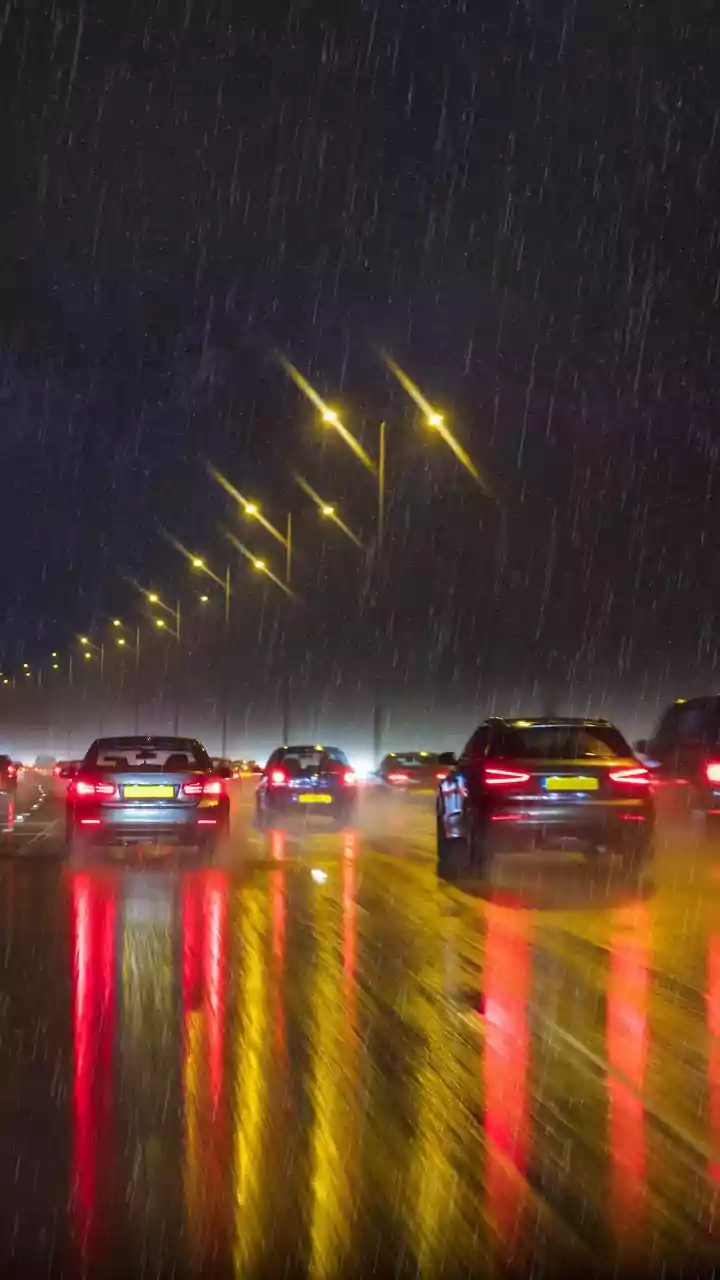
This creates a high-risk situation, as sharp turns, steep inclines, and unseen oncoming traffic become immediate threats. The moisture in the air from the rain combines with the fog, making roads slick and increasing braking distances. This combination of poor visibility and treacherous road conditions is a recipe for disaster if drivers are unprepared.
Why High Beams Make Things Worse
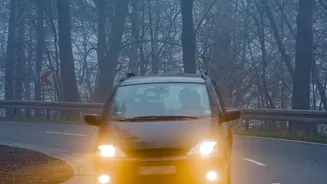
In a natural response to poor visibility, many drivers switch on their high-beam headlights. However, this is one of the most dangerous mistakes you can make in fog. Fog consists of tiny water droplets suspended in the air, which act like a wall of mirrors. When you use high beams, the intense, upward-angled light reflects off these droplets and straight back into your eyes. This creates a blinding glare, effectively reducing your visibility even further instead of improving it. You are essentially creating a white wall in front of your car, making it impossible to see the road ahead.
The Correct Way to Use Fog Lights
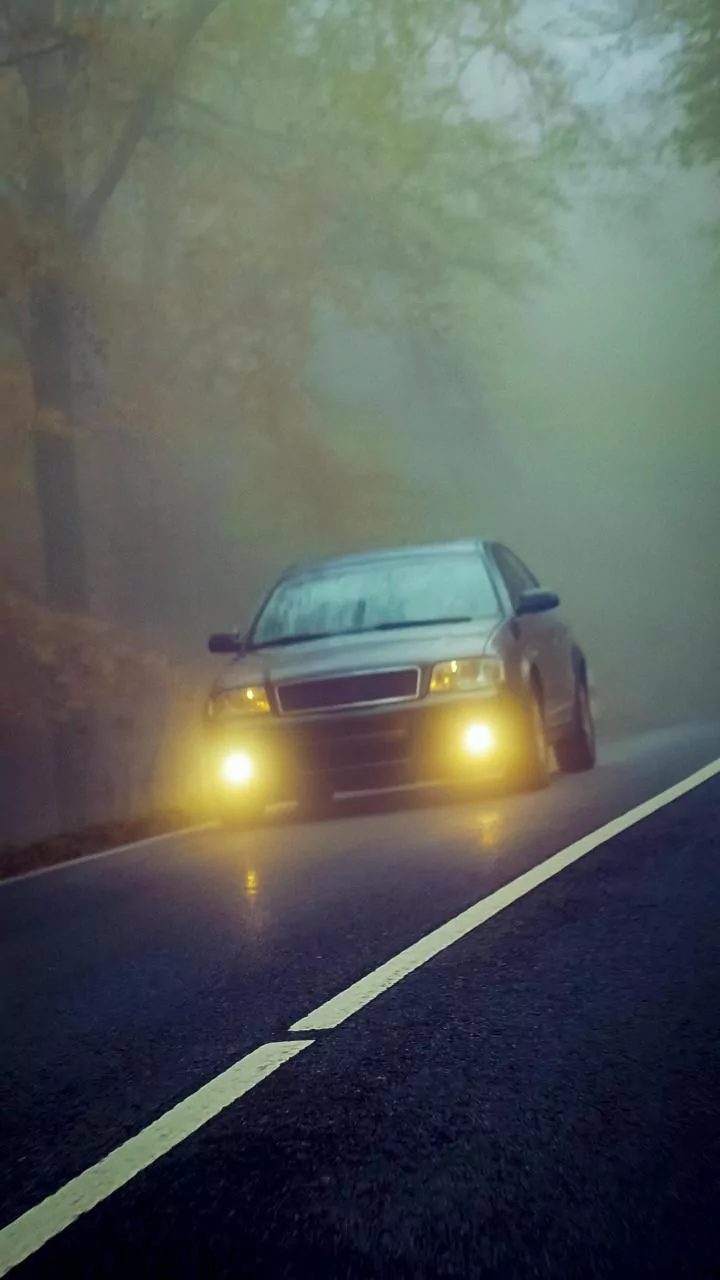
This is where fog lights prove their worth. Mounted low on the bumper, they are designed to cut through the fog, not just illuminate it. Front fog lights cast a wide, flat beam of light close to the ground, lighting up the road surface and the painted lines directly in front of the car, beneath the densest part of the fog. This helps you see the immediate path and stay in your lane. Always use them in conjunction with your low-beam headlights. Rear fog lights are equally important; they are high-intensity red lights designed to make your vehicle visible to drivers approaching from behind. However, only use them when visibility is severely limited, as their brightness can be mistaken for brake lights or dazzle other drivers in clearer conditions.
Essential Precautions Beyond Lighting
Relying on lights alone is not enough. The single most important action is to drastically reduce your speed. Your reaction time is severely compromised in fog, and you need to be able to stop within the distance you can see clearly. Maintain a much larger gap than usual between your vehicle and the one ahead. Avoid the temptation to tailgate the car in front, as they could be just as lost as you are. Use the white line on the left edge of the road as a guide to stay in your lane, rather than the centre line, to avoid drifting into oncoming traffic. Minimise all distractions—turn down the music and roll down your window slightly to listen for other vehicles.
Vehicle Preparedness and Knowing When to Stop
Before you even begin your journey, ensure your vehicle is monsoon-ready. Check that all your lights—headlights, fog lights, and tail lights—are clean and functional. Ensure your tyres have adequate tread for grip on wet roads and that your windshield wipers are in good condition to clear away rain and condensation. Your defogger or air conditioning system is also vital for keeping the inside of your windscreen clear. Most importantly, be prepared to pull over. If the fog becomes so dense that you cannot see the edge of the road or more than a few feet ahead, it is no longer safe to continue. Find a safe spot to pull off the road completely, turn off your driving lights (to prevent others from following you off-road), and turn on your hazard lights.