





Embrace Hot and Freshly Cooked Meals
During the monsoon, your digestive system tends to be more sensitive. Warm, freshly prepared food is easier on the gut and significantly reduces the risk of contamination that comes with raw or cold items. Think comforting bowls of soup, light stews,
and steamed vegetables. Traditional options like khichdi are perfect, offering a balanced meal that is both nourishing and easy to digest. Incorporating immunity-boosting spices like turmeric, ginger, and garlic into your cooking can also provide an extra layer of protection against common seasonal ailments. Ayurvedic wisdom suggests these spices help stoke the digestive fire, or 'agni', which is considered weaker during this season.
Navigate Greens and Vegetables Carefully
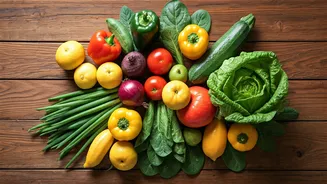
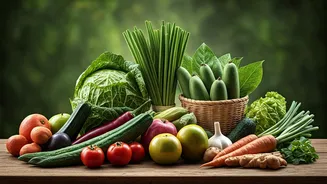
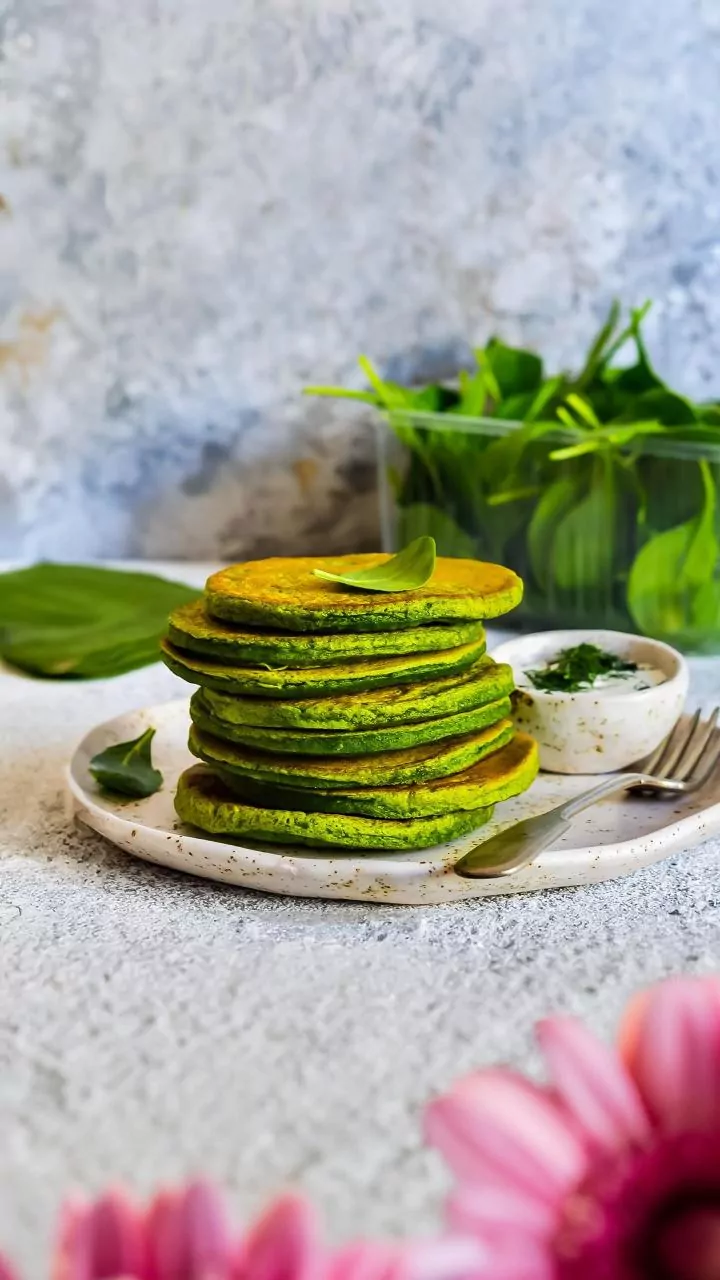
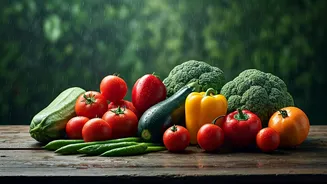
Leafy greens like spinach and cabbage, while nutritious, can be risky during the monsoon. They grow close to the ground and the dampness makes them a potential home for germs and dirt that can be hard to wash off completely. It is advisable to either avoid them or ensure they are washed meticulously and cooked thoroughly. A safer bet is to opt for gourds like lauki (bottle gourd), karela (bitter gourd), and turai (ridge gourd). These vegetables are not only seasonal but also light on the stomach and easier to clean. Steaming or boiling your vegetables is a great way to ensure they are safe to eat without losing all their nutrients.
Choose Seasonal and Gut-Friendly Fruits
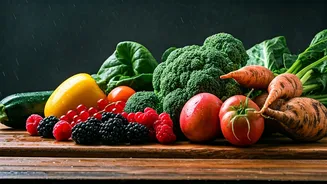
Fruits are essential for a robust immune system. This season, opt for fruits like pears, jamun, cherries, and pomegranates. These are not only delicious but also packed with vitamins and antioxidants. It's best to avoid fruits with very high water content, like watermelon, as they can sometimes cause bloating. A crucial tip is to wash all fruits thoroughly and consume them as soon as they are cut. Avoid buying pre-cut fruits from street vendors, as exposure to the humid air can lead to rapid bacterial growth and contamination.
Hydrate Smartly and Stay Warm
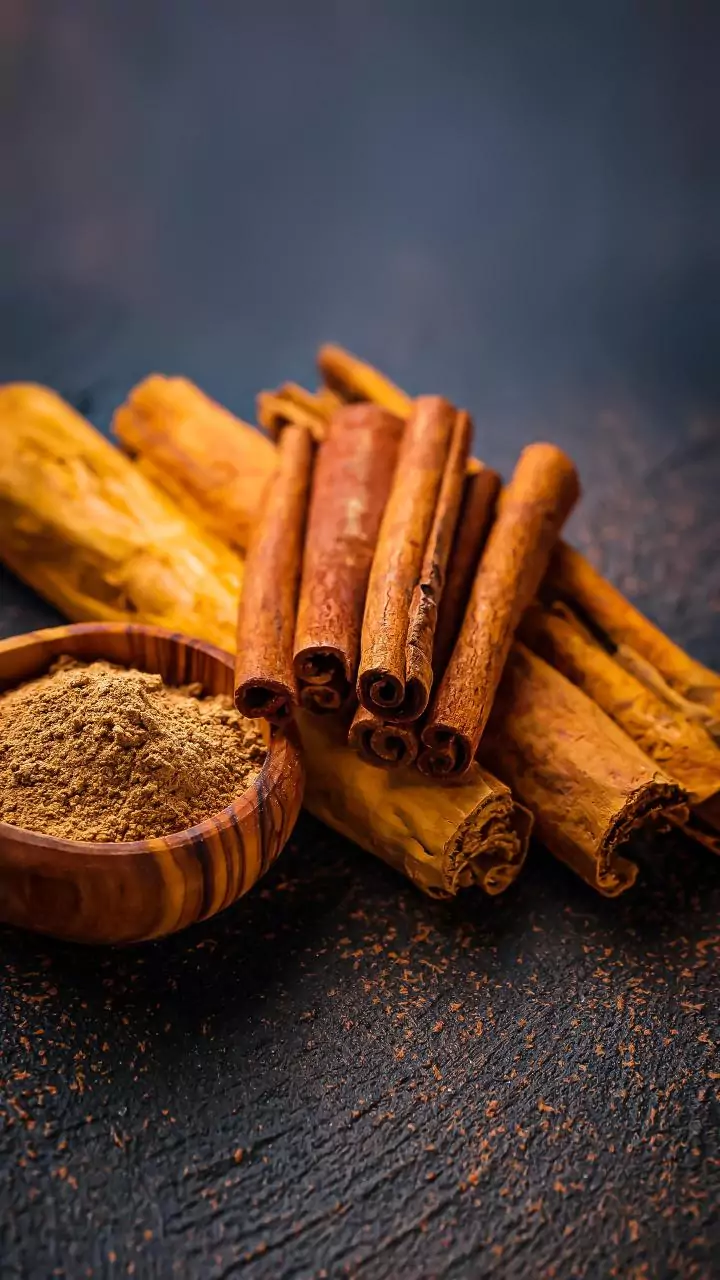
Staying hydrated is key, but water sources can be a major point of contamination during the monsoon. Always drink boiled or reliably filtered water to stay safe from waterborne diseases. Instead of cold drinks, which can dampen digestion, switch to warm beverages. Herbal teas made with ingredients like ginger, tulsi, and cinnamon are excellent choices. They not only keep you warm but also have antibacterial and anti-inflammatory properties that help fight off infections and soothe a sore throat. Warm vegetable broths and soups are another great way to meet your fluid requirements while getting some nourishment.
Know The Monsoon 'No-Go' Zone
As tempting as they are, street foods are best avoided during the rains. Items like chaat, pani puri, and fried snacks from roadside stalls carry a high risk of contamination due to questionable hygiene and water sources. The high humidity also makes our digestion sluggish, and heavy, oily foods can lead to bloating and stomach upsets. It is also wise to be cautious with seafood, as monsoon is the breeding season for fish, which can affect their freshness and safety. Finally, limit dairy products like paneer and curd if they aren't fresh or homemade, as they can spoil quickly in this weather.