






The Science of a Soggy Pakora
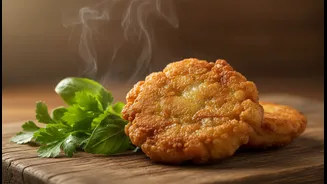
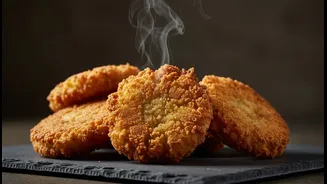
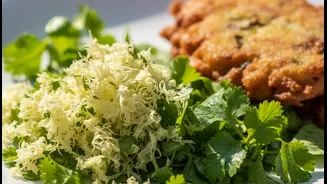
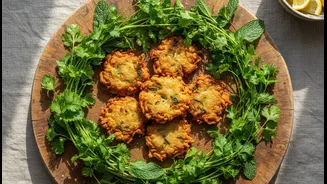
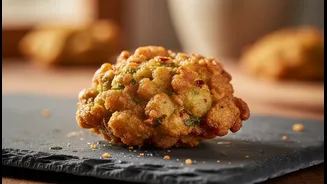
The perfect pakora or bhaji boasts a golden, crunchy exterior that gives way to a soft, flavourful interior. The enemy of this ideal is moisture. When food with excess surface water hits hot oil, a battle ensues. The water instantly turns to steam, causing
the oil's temperature to drop. This drop means the fritter starts to steam itself rather than fry, absorbing more oil and leading to a greasy, limp result instead of a light, crispy one. Monsoon humidity only makes this problem worse, adding moisture to the very air around your kitchen.
Herbs: The Flavour-Packed Moisture Sponges
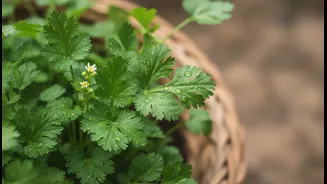
Fresh herbs like coriander (dhania) and mint (pudina) are non-negotiable for authentic, flavour-packed fritters. They add a bright, aromatic quality that dried spices alone cannot replicate. However, these leafy greens are full of water. When you wash them and mix them directly into your besan batter, you are introducing a significant amount of moisture. This water, trapped within the leaves and stems, becomes a primary culprit in creating steam and preventing that sought-after crispiness. Even after patting them dry, a surprising amount of water remains locked inside.
The Dehydration Workflow: Your Path to Crispiness
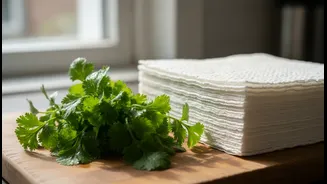
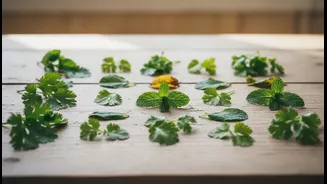
To unlock the ultimate fritter, you must first remove the excess water from your herbs before they enter the batter. This isn't about using pre-packaged dried herbs, which lack the vibrant flavour of fresh ones. It's about a quick, pre-frying dehydration process that concentrates the flavour while eliminating the sogginess-inducing water. Here are a few simple methods: 1. The Quick Air-Dry: After washing your herbs, spin them thoroughly in a salad spinner. Then, lay the leaves in a single layer on a clean kitchen towel or paper towels. Let them sit in a well-ventilated area for about an hour. You'll be surprised how much moisture evaporates. 2. The Microwave Method: For a faster approach, place the washed and patted-dry herb leaves in a single layer on a microwave-safe plate lined with a paper towel. Microwave on high in 20-30 second bursts, checking between each interval. They are ready when they feel dry and papery but haven't lost their colour. 3. The Low-Oven Technique: Spread your herbs on a baking sheet and place them in an oven set to its lowest possible temperature (ideally below 95°C). Leave the door slightly ajar to allow moisture to escape. Check every 20-30 minutes until they are dry but still green.
Putting It All Together
Once your herbs are properly dehydrated, you can chop them and add them to your batter. You'll notice the batter itself seems thicker and less watery. This is a good sign. Other tips for maximum crispiness include adding a tablespoon or two of rice flour to your gram flour, which helps create a lighter texture, and ensuring your oil is at a consistent medium-high heat (around 180°C). Don't overcrowd the pan, as this also lowers the oil temperature. Fry in small batches, allowing the oil to come back up to temperature between them. Another pro tip is to add a teaspoon of hot oil from the frying pan into your batter just before you start frying; this helps create a crispier finish.