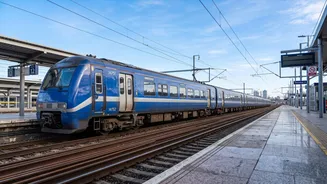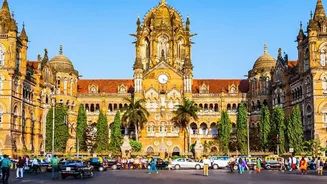






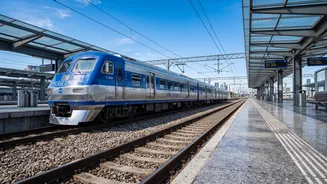
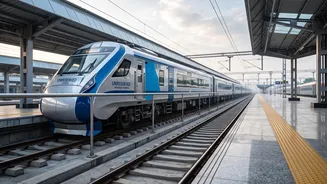
The annual Diwali migration is on, with millions heading home. To prevent chaos at major terminals, Indian Railways has rolled out a multi-layered strategy focused on increasing capacity, managing crowds, and ensuring passenger safety.
Thousands of Special Train Services
The primary strategy
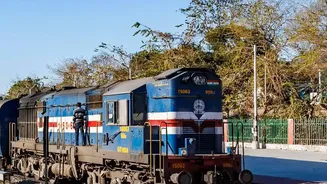
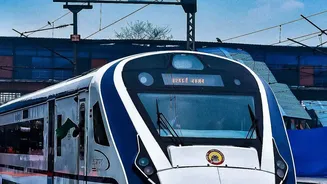
to manage the overwhelming demand is a significant increase in train services. Northern Railway alone plans to operate over 6,200 special train trips during the festive period, a 30% increase from the previous year. These services connect major hubs like Delhi, Mumbai, and Chandigarh with high-demand destinations in Uttar Pradesh, Bihar, West Bengal, and southern states. For instance, special trains have been announced for routes such as New Delhi-Howrah, Anand Vihar-Sabour, and Chennai-Kanyakumari to accommodate the festive traffic. Some railways zones are also adding extra coaches, particularly AC-tier coaches, to existing special trains to further increase berth availability on busy routes.
Controlling Crowds at the Station
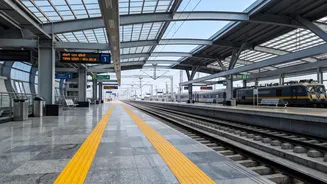
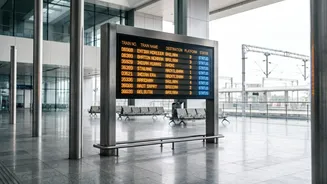
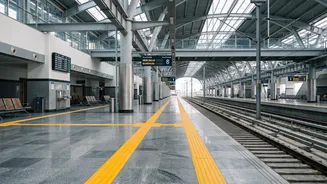
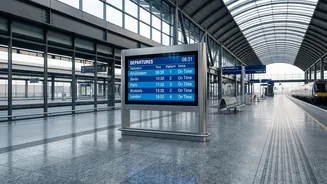
To prevent dangerous overcrowding on platforms, major terminals are implementing strict access control. A key measure is the establishment of designated holding areas, or 'Yatri Suvidha Kendras', outside main station buildings. These temporary, sheltered enclosures are equipped with facilities like ticket counters, seating, and display boards. Passengers are directed to these zones to wait before being allowed onto platforms in organised queues closer to their train's departure time. This system is being used at busy stations like Anand Vihar Terminal in Delhi, Udhna in Surat, and several junctions in Bihar and Ahmedabad to regulate the flow of people and avoid congestion on foot-over-bridges and platforms.
Restricting Platform Access
In a direct move to reduce non-passenger load, several railway divisions have temporarily suspended the sale of platform tickets. For example, the Bhusawal division has stopped selling platform tickets at Nashik Road station from November 1 to 15. The goal is to discourage relatives and friends from entering the platform area, which contributes significantly to crowding. However, exemptions are often made for those assisting senior citizens or passengers with medical needs. Additionally, extra ticket counters are being opened at major stations to reduce long queues for unreserved tickets and assist passengers with automatic vending machines.
Enhanced Security and Monitoring
A robust security presence is crucial for managing large crowds. Indian Railways has deployed additional personnel from the Railway Protection Force (RPF) and Government Railway Police (GRP) at critical points like platforms, footstoppers bridges, and entry gates. These teams are tasked with maintaining order, managing queues, and ensuring passenger safety. This onground effort is supplemented by technology. Control rooms are conducting roundtheclock surveillance using CCTV cameras to monitor crowd density in realtime. In some cases, droneassisted surveillance is also being discussed as a tool for better monitoring and response. This coordinated approach allows for quick deployment of security personnel to any area showing signs of unsafe congestion.
Coordinated MultiAgency Efforts
Managing the festive rush is a coordinated effort that extends beyond the Railways. At a recent conference of GRP chiefs, officials emphasised partnerships between the RPF, GRP, state police, and even metro authorities in cities like Delhi. This integrated approach ensures seamless crowd management from the moment a passenger enters the citys transport network. Public address systems and megaphones are being used extensively to guide passengers and make important announcements about train schedules and platform changes. The railways are also running passenger awareness campaigns, urging travellers to arrive at the station well in advance and follow the directions of onground staff to ensure a smoother and safer journey.