


The Problem with Pooling Water
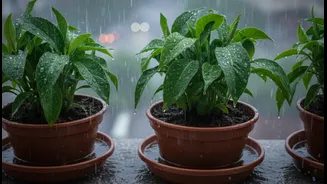
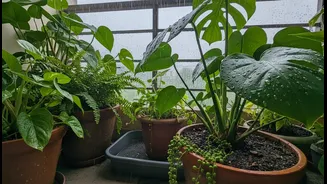
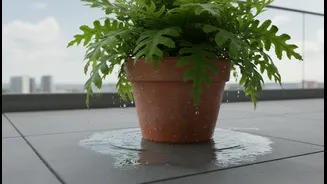
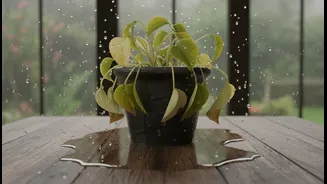
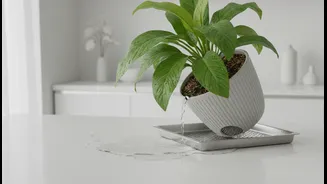
When a potted plant is watered, the excess should flow freely from the drainage holes at its base. However, if a pot sits directly on a flat, non-porous balcony floor, that water has nowhere to go. It pools underneath, effectively blocking the drainage holes.
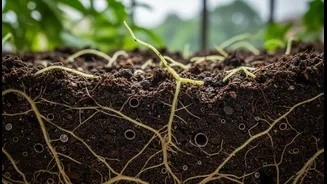
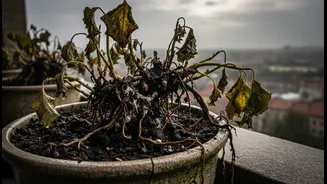
This creates a situation often called "wet feet," where the lower layers of soil become waterlogged. Plant roots need oxygen to survive, which they absorb from air pockets in the soil. When these pockets are filled with water, the roots can't breathe, leading to suffocation and stress. This constant, unseen moisture is a primary cause of one of the most common and fatal plant ailments: root rot.
Recognising the Distress Signals
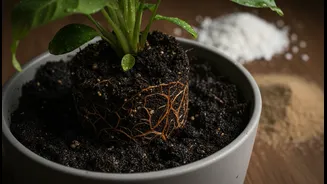
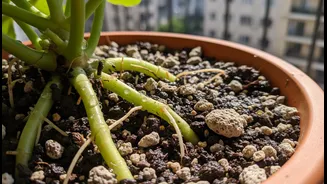
Overwatering and poor drainage often produce similar symptoms, which can be confusing. A key sign is leaves turning yellow, especially lower leaves, even when the soil on top feels dry. Paradoxically, the plant may also look wilted. This happens because the damaged, rotting roots are unable to absorb water and nutrients to send to the rest of the plant. Other red flags include mould or a green, algae-like film on the soil's surface, a musty smell coming from the pot, or even an increase in small pests like fungus gnats, which are attracted to damp conditions. If you were to gently check the roots, healthy ones are firm and pale, while rotting roots are dark, mushy, and may easily break apart.
Simple Solutions for Superior Drainage
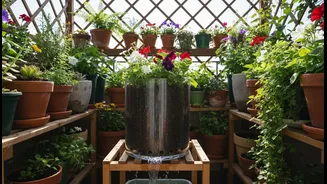
The good news is that preventing moisture trouble is straightforward. The single most effective action is to elevate your pots. Using 'pot feet' or small risers lifts the container just an inch or two off the ground. This simple gap allows air to circulate and ensures that water can drain away freely, preventing the pot from sitting in a puddle. You can buy purpose-made pot feet, but small bricks, tiles, or even bottle corks can work just as well. If you use saucers to catch water, make it a habit to empty them within 30 minutes of watering. Never let your plants sit in a full saucer, as the water will be reabsorbed, defeating the purpose of drainage.
Proactive Plant Care and Potting
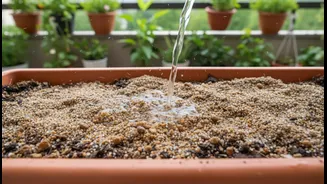
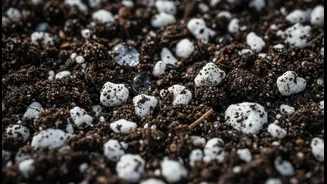
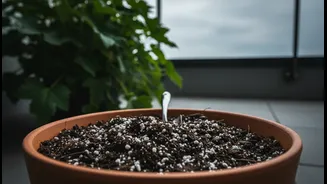
Beyond elevating your pots, your choice of soil and container plays a crucial role. Always use a high-quality potting mix designed for containers, not heavy garden soil, which compacts easily and retains too much water. You can improve drainage further by mixing in materials like perlite. Ensure every pot has at least one, preferably multiple, drainage holes. When you water, do so thoroughly until water runs out the bottom, then allow the top inch or two of soil to dry out before watering again. This practice encourages strong root growth and prevents the constant sogginess that leads to problems.
Protecting Your Balcony Surface
The benefits of good drainage extend beyond your plants. Constant moisture trapped under a pot can damage your balcony floor over time, leading to unsightly stains, discolouration, or even promoting mould and mildew growth on wood or concrete. For porous surfaces like wood or unsealed tile, this trapped water can cause long-term damage, including rot or cracking, especially in freeze-thaw cycles. By ensuring your pots are elevated and water can evaporate, you are not only saving your plants but also preserving the integrity and appearance of your outdoor space.