





What Exactly Are Ultra-Processed Foods?
Ultra-processed foods, or UPFs, are not just foods that have been altered from their natural state. They are industrial formulations made mostly from substances extracted from foods, plus a long list of additives. Think of it this way: the key issue is the nature,
extent, and purpose of the processing. UPFs are designed by manufacturers for maximum convenience, long shelf-life, and hyper-palatability—meaning they are engineered to be intensely craveable. The defining feature of a UPF is the presence of ingredients you would never find in a home kitchen. These include things like high-fructose corn syrup, hydrogenated oils, protein isolates, and a variety of additives like artificial colours, flavours, emulsifiers, and thickeners.
Unprocessed vs. Processed vs. Ultra-Processed
To clear up the confusion, it helps to see food on a spectrum using the NOVA classification system, a framework developed by researchers in Brazil.
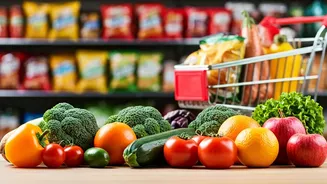
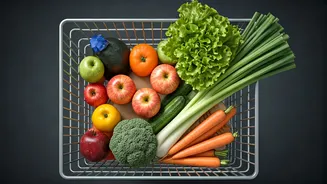
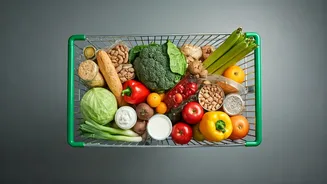
Group 1: Unprocessed or Minimally Processed Foods. These are foods in their natural or near-natural state. Examples include fresh fruits and vegetables, dals, rice, eggs, and plain milk.
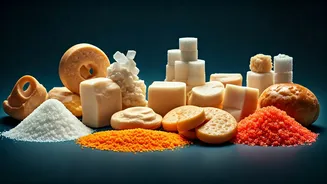
Group 2: Processed Culinary Ingredients. These are substances extracted from Group 1 foods, like salt, sugar, butter, and oils, that are used in kitchens to prepare meals.
Group 3: Processed Foods. These are relatively simple products made by combining foods from Groups 1 and 2. Think of cheese, freshly made bread (with just flour, water, salt, yeast), and canned vegetables.
Group 4: Ultra-Processed Foods. These are industrial formulas with five or more ingredients, many of which are lab-created 'cosmetic' additives. For instance, while a simple homemade bread is processed, a mass-produced packaged bread with emulsifiers and preservatives is ultra-processed. Similarly, plain yogurt is minimally processed, but a fruit-flavoured, sweetened yogurt with thickeners is a UPF.
Why Are They A Health Concern?
The science is increasingly clear: high consumption of UPFs is linked to serious health problems. Studies have associated these foods with a higher risk of obesity, type 2 diabetes, heart disease, certain cancers, and even depression and cognitive decline. A recent study found that for every 10% increase in calories from UPFs, the risk of developing type 2 diabetes rises by 10%. Another linked high intake to a 47% greater risk of heart attack or stroke. There are several reasons for this. UPFs are typically high in added sugar, salt, and unhealthy fats while being low in fibre and essential micronutrients. Beyond poor nutrition, the industrial additives themselves—and the very process of creating these foods—may play an independent role in driving disease.
Common Examples In An Indian Kitchen
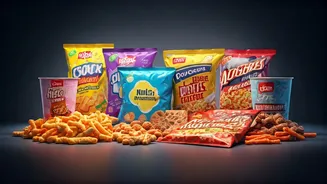
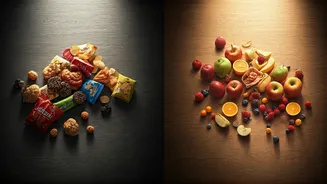
UPFs have become common in many Indian households due to convenience and aggressive marketing. Common examples include instant noodles, packaged sweet and savoury snacks like chips and biscuits, sugary breakfast cereals, and mass-produced breads. Many ready-to-eat meals, frozen snacks like nuggets and kebabs, reconstituted meat products, and packaged sauces or ketchups also fall into this category. Even some traditional Indian recipes, when sold in packaged, instant-mix form, can be ultra-processed. Sugar-sweetened beverages like sodas and packaged fruit juices are some of the most consumed UPFs in the country.
How To Spot An Ultra-Processed Food
You don't need a science degree to identify a UPF. The easiest way is to read the ingredient list. Here are two simple rules:
1. The 5-Ingredient Rule: If a product has more than five ingredients, it's often a sign of ultra-processing.
2. The Kitchen Test: Scan the ingredients. Do you recognize them as things you would use in your own kitchen? If you see long, chemical-sounding names like maltodextrin, hydrolyzed protein, monosodium glutamate, carrageenan, or various gums and syrups, it's almost certainly a UPF. These are industrial ingredients and cosmetic additives used to make the product cheap, long-lasting, and appealing, not to nourish you.
Should I Avoid Them Completely?
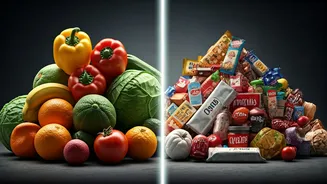
For most people, completely eliminating UPFs is impractical and unnecessary. The goal is not perfection, but awareness and moderation. The key is to shift the balance of your diet. Try to make unprocessed or minimally processed foods the foundation of your meals—think fresh vegetables, fruits, dals, legumes, and whole grains. Enjoy processed foods in moderation and treat UPFs as occasional items rather than daily staples. Instead of packaged fruit juice, have a whole fruit. Swap instant noodles for a quick home-cooked meal like poha or upma. Small changes, like choosing roasted chana over a packet of chips, can make a significant difference over time. Understanding what you eat is the first step toward taking control of your health.