



The Monsoon Reality: Beauty vs. Risk
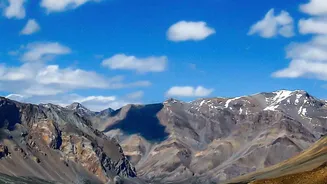
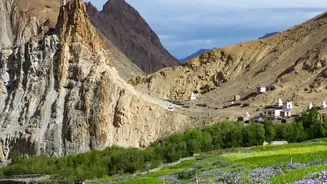
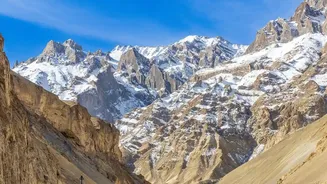
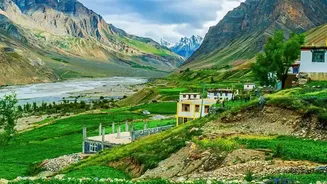
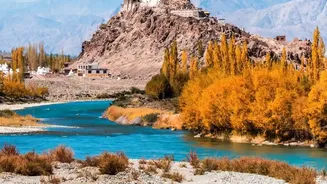
Spiti Valley is a rain-shadow region, meaning the valley itself receives very little rainfall compared to the rest of Himachal Pradesh. While Kaza might be dry and sunny, the approach roads from Shimla and Manali are not. These access routes bear the full
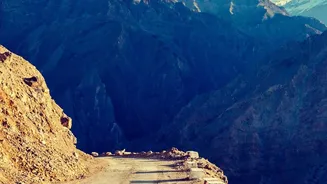
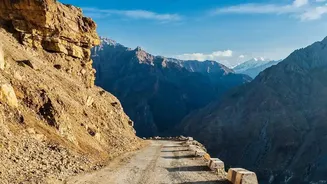
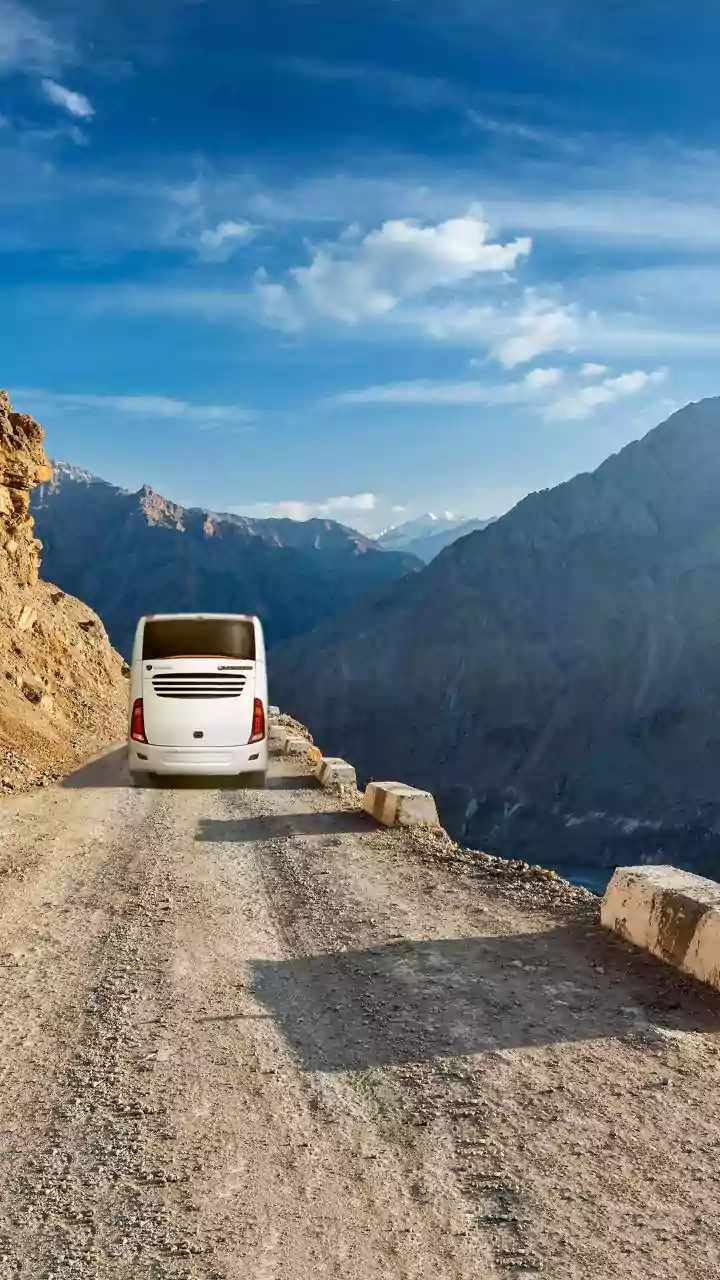
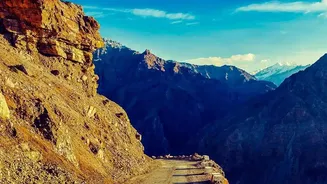
brunt of the monsoon, leading to the primary dangers of a monsoon trip: landslides, flash floods, and road closures. The Shimla-Kinnaur route, while generally more reliable, is prone to landslides, especially on the stretch between Wangtu and Sumdo. The Manali-Kaza route, involving the treacherous Gramphu to Losar stretch, is even more challenging with water crossings that become unpredictable. Officials regularly advise tourists to avoid unnecessary travel during heavy monsoon spells and to stay updated on advisories from the State Disaster Management Authority.
Essential Safety Checklist
A monsoon trip to Spiti demands more than just enthusiasm; it requires meticulous preparation. Start by building buffer days into your itinerary. A week-long plan can be easily derailed by a 24-hour road closure, which is common. Your vehicle choice is critical. While a sedan might manage the Shimla-Kaza route in clear weather, the Manali side demands a 4x4 with high ground clearance. Never camp in dry riverbeds, which can turn into raging torrents during a flash flood. Pack for all eventualities: waterproof layers, extra food and water, a comprehensive first-aid kit, a powerful torch, and fully charged power banks are non-negotiable. High-altitude acclimatisation is crucial; drink plenty of water and ascend gradually. The Shimla route is better for this, as it allows your body to adjust slowly.
Updated Permit Rules for Indian Citizens (2026)
Here's the most straightforward rule: Indian citizens do not need an Inner Line Permit (ILP) or a Protected Area Permit (PAP) to visit Spiti Valley. This has been a source of confusion for years due to outdated information online. You can travel freely along the entire Shimla-Kaza route and within the main Spiti Valley without any specific permit. However, you must carry a valid government-issued photo ID like an Aadhaar card, Voter ID, or passport at all times. You will be required to show this ID at various police and ITBP checkposts, such as at Jangi and Sumdo, where your details will be entered into a register. This is a routine security check, not a permit application. The one exception relates to vehicles: if you are travelling from the Manali side, your vehicle will need a Rohtang or 'Beyond Rohtang' permit, which is separate from any personal travel permit.
Permit Rules for Foreign Nationals (2026)
For foreign nationals, the rules are different and stricter. You are required to obtain a Protected Area Permit (PAP), often colloquially called an Inner Line Permit, to enter the designated protected areas of Kinnaur and Spiti. This permit is mandatory for travel beyond Jangi on the Shimla-Kinnaur route, covering areas like Nako, Tabo, and Kaza. As of 2026, the PAP cannot be obtained online; it must be processed in person at designated government offices. The most convenient offices for this are the SDM office in Reckong Peo (if coming from Shimla) or the offices in Kaza or Keylong (if coming from Manali). You will need your passport, a valid Indian visa, passport-sized photographs, and a detailed itinerary. Officially, permits are often issued to groups of two or more, sometimes sponsored by a travel agency, though solo travellers have reported success at the discretion of the issuing officer, particularly in Reckong Peo.
Which Route Is Safer In Monsoon?
Both routes into Spiti have their own monsoon challenges. The Shimla-Kaza route via Kinnaur is longer but allows for gradual acclimatisation to the altitude. However, this road is highly exposed to monsoon rains and is notorious for landslides, especially in the areas around Nigulsari, Wangtu, and Maling Nala. The Manali-Kaza route is shorter but involves crossing the high-altitude Kunzum Pass and a very rough, unpredictable stretch from Gramphu to Batal, with numerous water crossings. While Spiti itself is in a rain shadow, getting there via Manali means traversing the Kullu valley, which receives heavy rainfall. For August 2026, most experienced travellers recommend the Shimla route, acknowledging the risks but favouring its better acclimatisation profile and slightly higher reliability compared to the Manali side during peak monsoon. Always check the latest road status from official sources or local contacts on the day of travel.