






An Electric Current Through City Streets
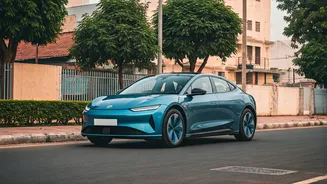
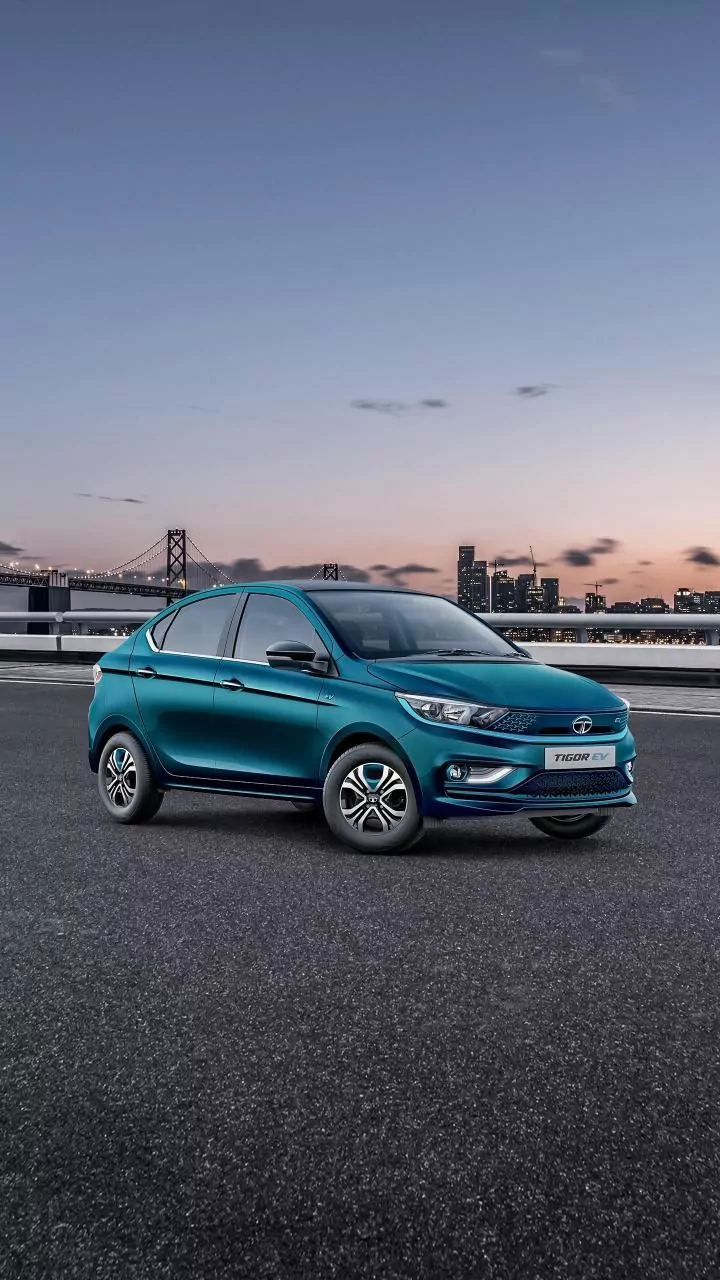
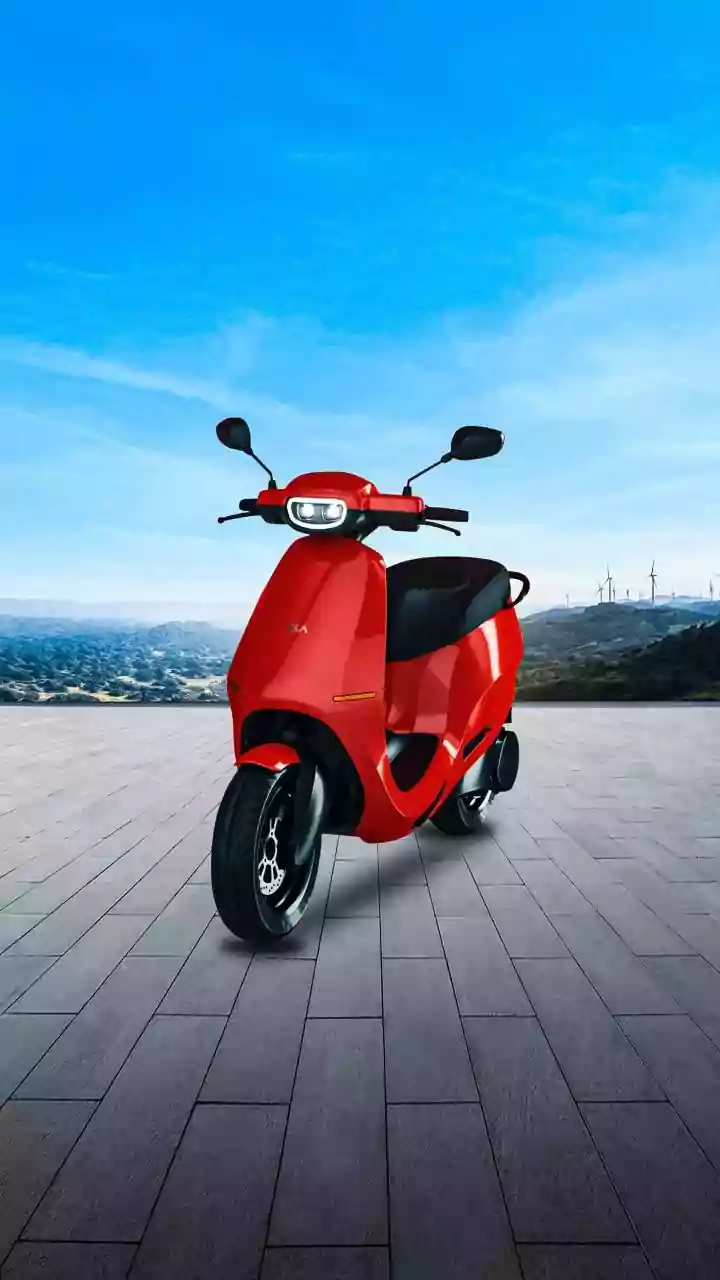
The most visible change is the rapid adoption of electric vehicles (EVs). India's EV market is surging, with sales for electric passenger vehicles growing 57% year-on-year in early 2026. This growth isn't just in cars; electric two-wheelers and e-rickshaws
are becoming mainstays for last-mile connectivity. During the monsoon, EVs offer a distinct advantage. With fewer moving parts and no exhaust pipe to worry about, they are less susceptible to damage from waterlogging compared to their internal combustion engine counterparts. This inherent resilience, combined with zero tailpipe emissions, makes them a doubly smart choice for navigating drenched cityscapes. Government initiatives and a growing number of available models are making EVs more accessible, with projections showing they could capture 7-8% of the passenger vehicle market by the end of 2026.
Public Transport's Green Overhaul
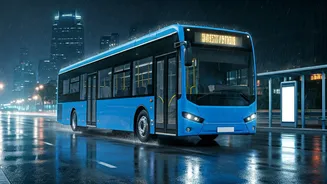
Public transport is the backbone of urban commuting, and it's getting a significant sustainable upgrade. Across the country, cities are expanding their metro rail networks, which are often the most reliable way to travel during heavy rains as elevated tracks bypass flooded roads. Simultaneously, there's a massive push for the electrification of bus fleets. Cities like Delhi are aiming to make their public transport entirely electric, with plans to have nearly 8,000 e-buses on the roads by 2026. Similarly, Uttar Pradesh recently rolled out new electric buses to serve key economic corridors. These e-buses not only reduce air pollution but also offer commuters a quieter, smoother ride, providing a dependable and dry alternative to navigating chaotic, rain-soaked streets.
Smarter Commutes with Technology
Technology is playing a crucial role in making monsoon travel less of a guessing game. Real-time information is empowering commuters to make smarter, more sustainable choices. Public transport apps now provide live tracking of buses and metros, helping passengers plan their journeys and minimise waiting times in the rain. Advanced flood monitoring and traffic management platforms are being deployed in cities like Mumbai and Bengaluru, allowing authorities to manage traffic flow proactively. Furthermore, carpooling and ride-sharing apps are helping reduce the number of single-occupancy vehicles on the road. By connecting people travelling in the same direction, these platforms ease congestion and lower collective carbon emissions, making shared mobility a key component of a sustainable transport ecosystem.
Bridging the Last-Mile Gap
Solving the first- and last-mile connectivity puzzle—the journey from your home to a metro station or bus stop—is critical for a truly seamless public transport system. Here too, sustainability is taking root. App-based services for shared bikes and e-scooters are providing commuters with quick and eco-friendly options to cover short distances. E-rickshaws, once an informal sector phenomenon, are now being integrated into the formal mobility network, often serving as dedicated feeder services for metro stations. As cities invest in creating non-motorised transport infrastructure like pedestrian pathways and cycling lanes, these green last-mile solutions become safer and more attractive, encouraging more people to leave their private vehicles at home.