


The New Festive Plate
The all-or-nothing approach to festive eating—where you either feast without restraint or abstain completely—is fading. Today, the focus is shifting towards a more balanced and mindful way of celebrating. The goal is no longer to avoid beloved dishes,
but to enjoy them in a way that supports overall well-being. This involves making conscious choices, understanding ingredients, and recognising that one indulgent meal doesn't derail your health goals. The modern festive mindset is about participation, not deprivation. It's about savouring flavours and cherishing shared experiences without the guilt that often follows overindulgence. This balanced approach allows you to honour traditions while also honouring your body.
Smart Swaps for Sweeter Treats
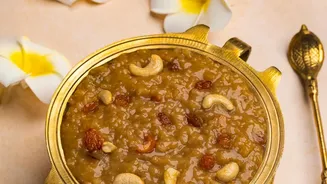
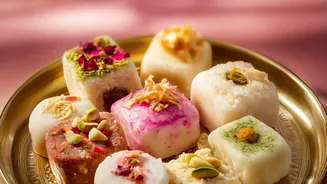
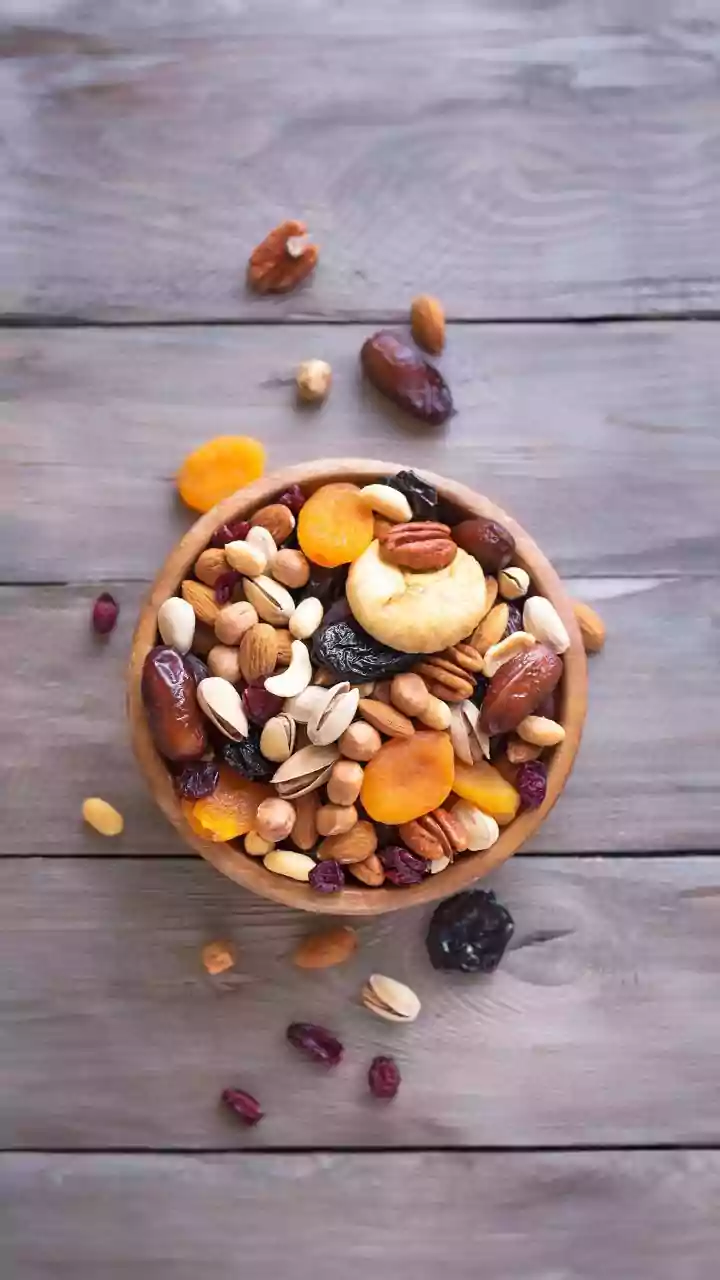
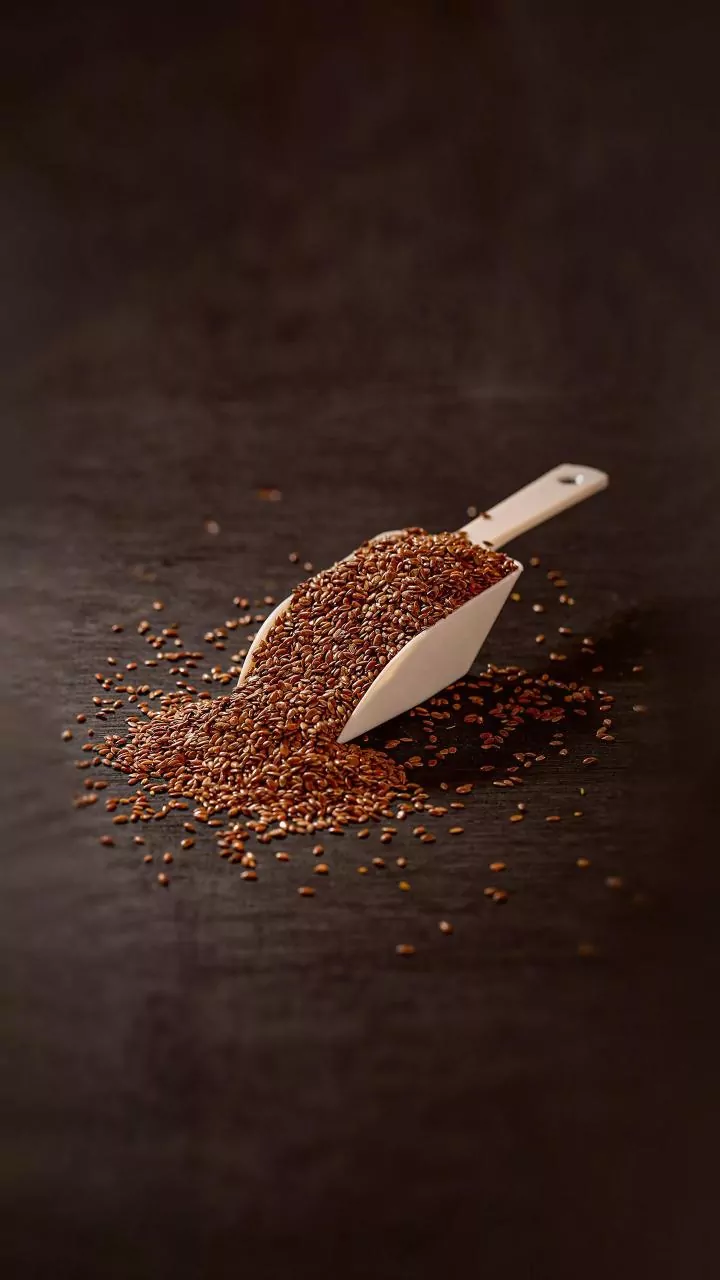
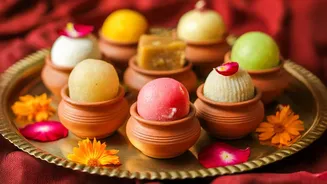
Indian sweets, or mithai, are the heart of any celebration, but they are often high in refined sugar and fats. The good news is that small changes can make a big difference. Many home cooks and even sweet shops are now using natural sweeteners like jaggery, dates, or honey instead of refined white sugar. These not only reduce the empty calories but also add minerals and a more complex flavour. Similarly, swapping refined flour (maida) for whole grains like ragi or almond flour in ladoos and barfis adds valuable fibre and nutrients. Preparing sweets at home gives you full control over the ingredients, allowing you to use high-quality A2 ghee in moderation and avoid unhealthy hydrogenated fats commonly found in store-bought options.
Rethinking Cooking Methods
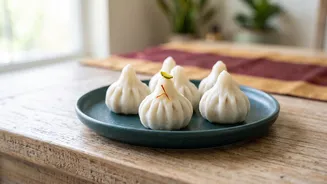
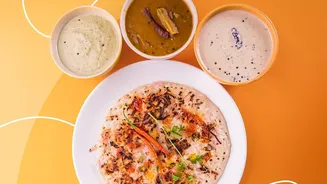
The way food is cooked has a significant impact on its nutritional profile. Many traditional festive snacks are deep-fried, but modern kitchens are embracing healthier techniques that don't sacrifice texture or taste. Air fryers, for example, can produce crispy samosas and pakoras with a fraction of the oil. Baking is another excellent alternative for items that are typically fried. Even classic dishes can be adapted; for instance, choosing steamed modaks over their fried counterparts is a simple yet effective way to cut down on fat without missing out on the festive favourite. Looking for grilled or tandoori options like paneer tikka or tandoori chicken instead of creamy, rich curries can also significantly reduce your calorie intake.
Mindful Indulgence, Not Restriction
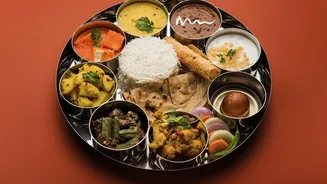
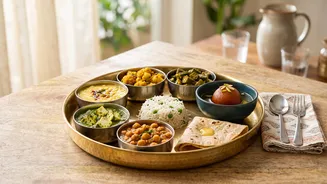
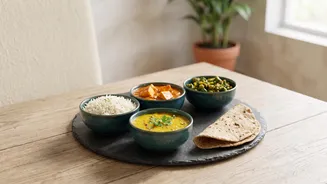
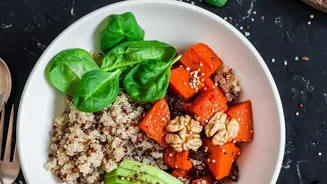
Mindful eating is a powerful tool during the festive season. It means paying full attention to your food—the flavours, textures, and aromas—which enhances enjoyment and helps you recognise when you are full. Rather than banning certain foods, practice portion control. A simple rule of thumb is the 'plate method': fill half your plate with vegetables or salad, a quarter with a lean protein source like dal or paneer, and the remaining quarter with carbohydrates like rice or roti. When it comes to sweets, try the 'one-sweet rule'—pick the one you truly love and savour it slowly. This prevents mindless sampling and allows for guilt-free enjoyment.
Hydration and Balance Are Key
It's easy to mistake thirst for hunger, especially when surrounded by tempting food. Staying hydrated by sipping water throughout the day can prevent unnecessary snacking and help your body process richer foods. Nutritionists also recommend starting your day with a healthy, balanced meal instead of starving yourself in anticipation of a feast, as this often leads to overeating. If you have a particularly indulgent meal, don't feel defeated. Simply aim for your next meal to be lighter and packed with vegetables, like a soup or a large salad. This strategy of creating 'buffer days' or lighter meals around festive events helps maintain balance throughout the season without requiring strict dieting.