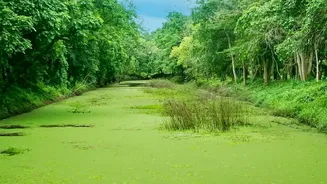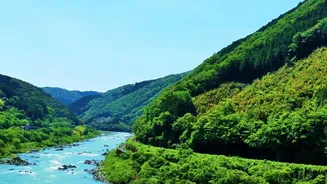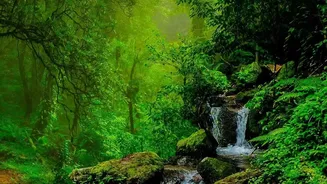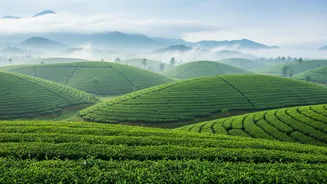




A Landscape Washed in Green
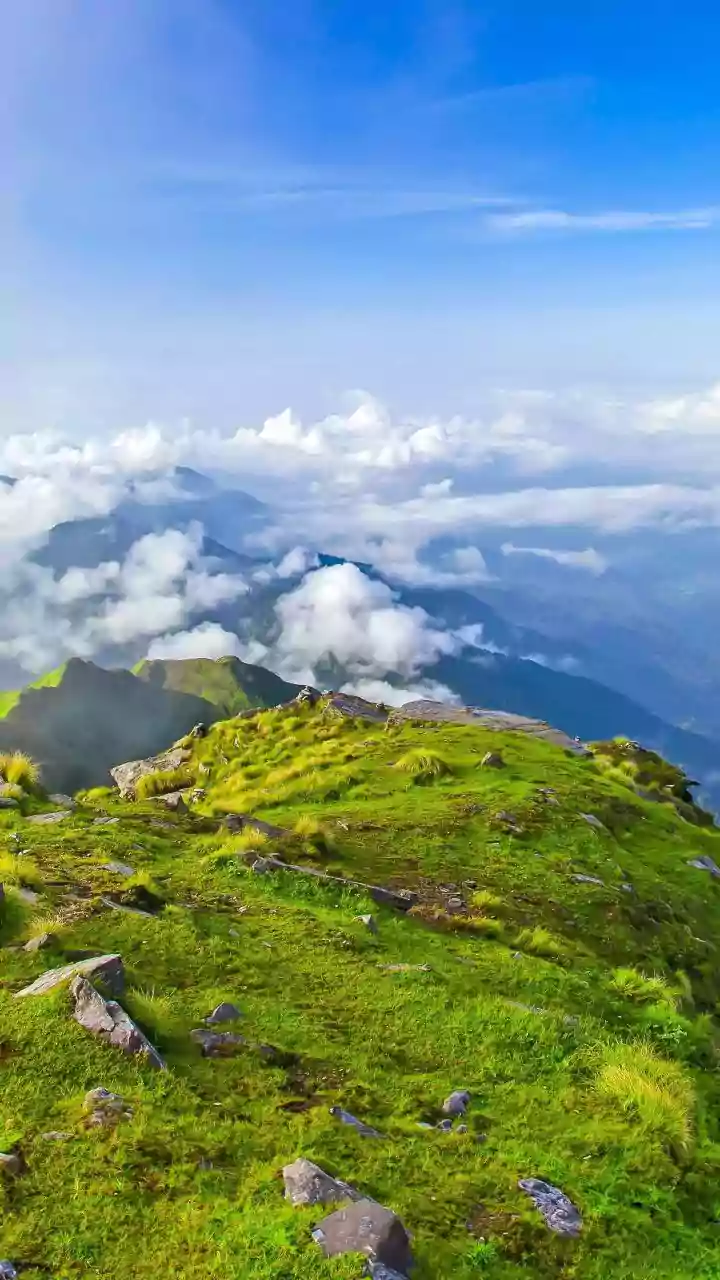
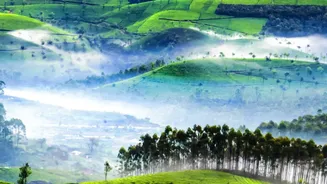
From June to September, the monsoon transforms Assam into a world of breathtaking vibrancy. The state’s famed tea gardens, covering vast rolling plains, shimmer in a brilliant, rain-washed emerald. The air grows heavy with the fresh scent of wet earth
and blooming flowers. This is a time when the landscape feels alive and renewed, with mist clinging to hills and waterfalls, often appearing overnight, tumbling down rocky slopes with newfound force. For photographers and nature lovers, this season offers a chance to see the state at its most lush and dramatic, a far cry from the drier tourist months. The Brahmaputra River, the state's lifeline, swells majestically, offering powerful views against overcast skies.
The Appeal of Off-Season Serenity
While the winter months from October to April are traditionally considered Assam's peak tourist season, the monsoon offers a different kind of luxury: peace and quiet. With fewer visitors, popular spots are less crowded, allowing for a more intimate and tranquil experience. This serenity is a major draw for those looking to escape the hustle and connect with nature on a deeper level. The quieter atmosphere extends to accommodations, which are often available at more budget-friendly rates. It’s a chance to experience places like Haflong, Assam’s only hill station, when it is wrapped in clouds, or to enjoy a quiet cup of chai while watching the rain nourish the endless greenery.
Navigating the Wildlife Question
It's crucial for prospective travellers to understand the monsoon's impact on wildlife viewing. Assam's most famous residents are in national parks like Kaziranga and Manas, which are largely closed to tourists from around June to October. The Brahmaputra's flooding makes the core areas of these parks inaccessible and unsafe for safaris. However, this doesn't mean wildlife encounters are impossible. Some park buffer zones or elevated trails may remain partially open for limited periods, though this should be verified with park authorities beforehand. Other sanctuaries like Dibru-Saikhowa, a wetland ecosystem, offer unique boat safari opportunities to see a different side of the region's biodiversity, particularly for birdwatchers.
Destinations That Shine in the Rain
Instead of focusing on the closed parks, monsoon travel in Assam steers visitors towards destinations that are at their best during this season. Haflong, with its misty valleys and pristine lakes, becomes a romantic retreat. The world's largest river island, Majuli, turns into a cultural oasis surrounded by the vast river, offering a unique look at its monastic traditions amidst the greenery. The historic town of Sivasagar, with its ancient Ahom dynasty temples and rain-filled tanks that reflect the monuments, provides a mystical experience for history buffs. Even the gateway city of Guwahati takes on a soulful character, with its temples feeling more atmospheric and riverfront walks becoming more contemplative. The season also coincides with the significant Ambubachi Mela at Kamakhya Temple, a major cultural and spiritual event.
Practical Considerations for a Monsoon Trip
Embracing a monsoon journey to Assam requires practical planning. The season is characterized by high humidity and, of course, rain, so packing waterproof jackets, quick-drying clothes, and sturdy, water-resistant footwear is essential. While the rains bring life, they can also cause challenges. Flooding in low-lying areas and potential road disruptions are a reality, so it's wise to build flexibility into your itinerary and stay informed about local weather conditions. Despite these challenges, the rewards are immense. For the well-prepared and adventurous traveller, Assam's monsoon offers an unforgettable experience, revealing a side of the state that is deeply authentic, vibrant, and teeming with life.