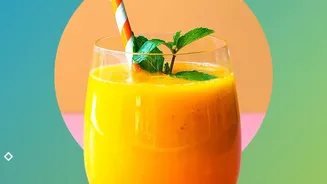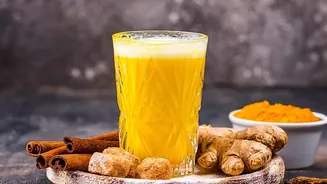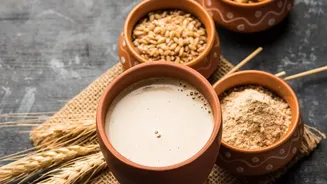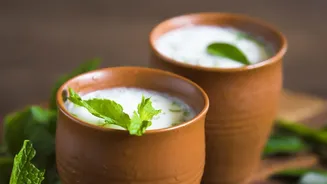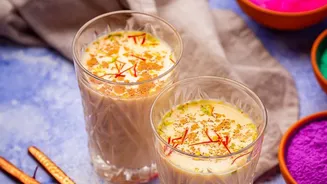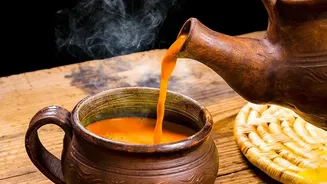



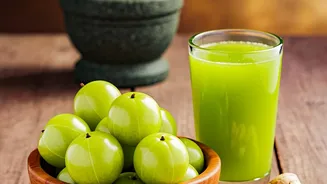
Step into a chic hotel bar in India today, and you might find a menu that looks surprisingly different. Beyond the usual cocktails and sodas, a quiet revolution is taking place, one that champions the country's rich tapestry of traditional drinks.
Beyond the Global Menu
For
years, the beverage menus at upscale Indian hotels and restaurants felt interchangeable with their counterparts in London or New York. While the food menus celebrated regional diversity, the drink offerings often defaulted to imported spirits and standardized cocktails. That landscape is changing dramatically. A growing number of establishments are now curating dedicated menus that spotlight heritage beverages from across the nation. This shift represents a move away from a generic globalised standard and towards a confident celebration of local flavours. It's a recognition that a truly Indian experience extends to what’s in the glass, offering guests an authentic taste of the region they are visiting.
A Taste of Tradition and Terroir
At the heart of this movement is a desire to reconnect with culinary roots. Establishments like ITC Hotels, with their pioneering 'Beverages of India' programme, have been instrumental in reviving forgotten recipes. Now, many others are following suit. Think of the beautiful pink Sol Kadhi from the Konkan coast, a cooling digestive made from kokum and coconut milk, or the tangy, fermented Kanji from North India, crafted from black carrots. Other revived classics include the raw mango cooler Aam Panna and the roasted gram flour drink Sattu Sharbat. These are not just drinks; they are stories in a glass, each tied to a specific region, season, and cultural tradition, offering a sense of place that a can of cola never could.
The Ancient Wellness Connection
This revival is also perfectly aligned with the global wellness trend. Many of these heritage drinks are what modern nutritionists might call 'functional beverages'. They are packed with natural, unprocessed ingredients and are often rooted in Ayurvedic principles. Sol Kadhi is celebrated for its digestive properties, helping to soothe the gut after a spicy meal. Gajar ki Kanji is a natural probiotic, rich in beneficial bacteria that aid digestion and boost immunity. In a world where consumers are increasingly health-conscious and wary of sugary, artificial drinks, these traditional Indian refreshments offer a wholesome and flavourful alternative. They represent a form of wellness that is not a modern fad, but a time-tested tradition.
Old Roots, Modern Twists
The reintroduction of these drinks is not purely about preservation; it's also about innovation. While some restaurants serve them in their most traditional form, a new generation of creative mixologists is using them as a launchpad for contemporary creations. At pioneering bars across the country, from Mumbai to Delhi, bartenders are crafting unique cocktails using these heritage recipes as a base. Imagine a gin cocktail infused with house-made jamun (Indian blackberry) cordial or a vodka drink brightened with a splash of fermented Kanji. This 'conscious cocktail movement' champions a hyperlocal approach, with bar menus featuring 100% local ingredients, celebrating India's diverse culture in new and exciting ways.
Sustainable and Hyperlocal
This trend is also intrinsically linked to sustainability. By focusing on traditional recipes, hospitality brands are naturally inclined to use local and seasonal ingredients. This reduces the carbon footprint associated with importing foreign ingredients and spirits. More importantly, it supports local farmers and communities, creating a more resilient and responsible supply chain. This 'farm-to-glass' philosophy resonates with a growing number of consumers who want to know where their food and drinks come from. It signals a deeper shift in the industry, one that values authenticity, community, and a connection to the land over homogenous luxury.