








Meet the Micro-Fulfillment Hub
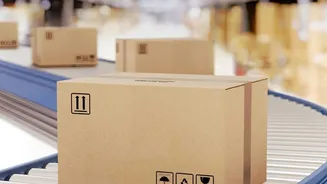
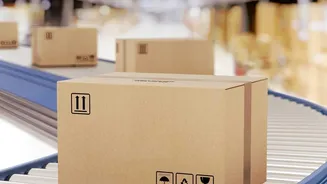
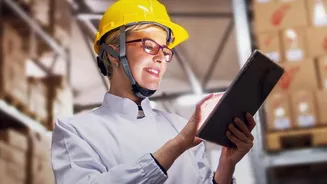
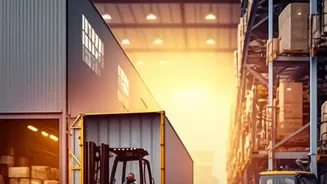
Forget the image of colossal warehouses located on the outskirts of a city. A micro-fulfillment center (MFC), or 'dark store', is the opposite: a small, highly efficient, tech-driven facility located within city limits. These hubs are strategically placed
closer to where customers live. Instead of storing tens of thousands of products, they stock a curated selection of the most popular items in that specific area, from groceries and electronics to personal care products. This proximity is the first step in radically shrinking the time it takes for an order to travel from a warehouse shelf to a customer's front door.
Why Tier 2 Cities Are the New Frontier
For years, the e-commerce battle was fought in the metros. But the real growth story now lies in India's Tier 2 and Tier 3 cities like Lucknow, Jaipur, Coimbatore, and Bhubaneswar. These regions are home to a rapidly growing population of online shoppers with rising incomes and aspirations. Data shows that non-metro cities are driving the majority of new e-commerce orders, growing at a much faster pace than their Tier 1 counterparts. Companies like Flipkart and Amazon are aggressively expanding into these markets, recognising that capturing this new customer base requires a logistics network built for local speed and reliability.
The Technology That Delivers Speed
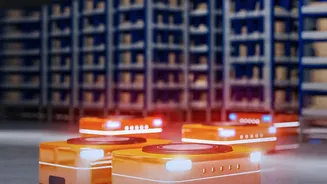
A micro-fulfillment hub is more than just a small warehouse; it's a technology powerhouse. Inside, automation and AI-driven software manage nearly every aspect of the process. When you click 'buy', an intelligent system locates the item, and automated pick-and-pack solutions get it ready for dispatch. This minimises human error and slashes processing times from hours to minutes. Advanced analytics also help companies predict demand, ensuring that the right products are in stock at the right hub, preventing both overstocking and a disappointing 'out of stock' message for customers.
Crushing the Last-Mile Challenge
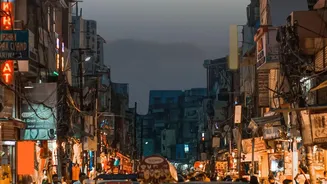
The 'last mile' of delivery—the final journey from the nearest hub to your home—is famously the most expensive and complex part of the entire shipping process, accounting for over half of total delivery costs. In cities, this means navigating traffic, complex addresses, and narrow lanes. By placing fulfillment hubs directly inside these cities, companies drastically shorten this final, costly leg. This hyperlocal model, combining a short delivery radius with automated efficiency, is what makes 2-hour or even 30-minute delivery windows possible, transforming customer expectations from 'fast' to 'instant'.
Economic Ripple Effects for Local Communities
The arrival of micro-fulfillment hubs brings more than just fast packages. It stimulates local economies in significant ways. Firstly, it creates a new wave of employment opportunities, not just for delivery partners but also for staff managing operations, inventory, and facility maintenance. Secondly, it boosts the local real estate market by creating demand for small- to medium-sized commercial spaces within urban areas. For consumers, it means better access to a wider variety of goods without the long wait. For e-commerce platforms, it's a strategy that offers better unit economics due to lower real estate costs and less competition for gig workers compared to saturated metros.