




The Building Blocks of Recovery
Let's start with the basics. Proteins are essential macronutrients vital for repairing tissues, building muscle, and producing enzymes and hormones. They are made up of smaller compounds called amino acids. Our bodies can produce some amino acids, but
there are nine that we must get from food—these are known as essential amino acids. A food source that contains all nine of these in adequate amounts is called a 'complete protein'. While animal products like meat, eggs, and dairy are complete proteins, most plant-based foods are 'incomplete', meaning they are low in one or more essential amino acids. This is where the strategy of food combining becomes so important for those on plant-based diets.
The Genius of Combining Grains and Legumes
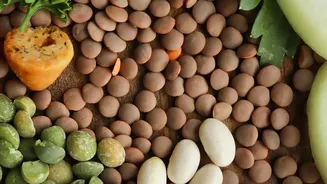
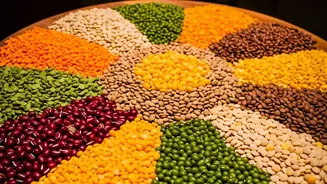
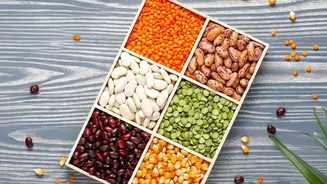
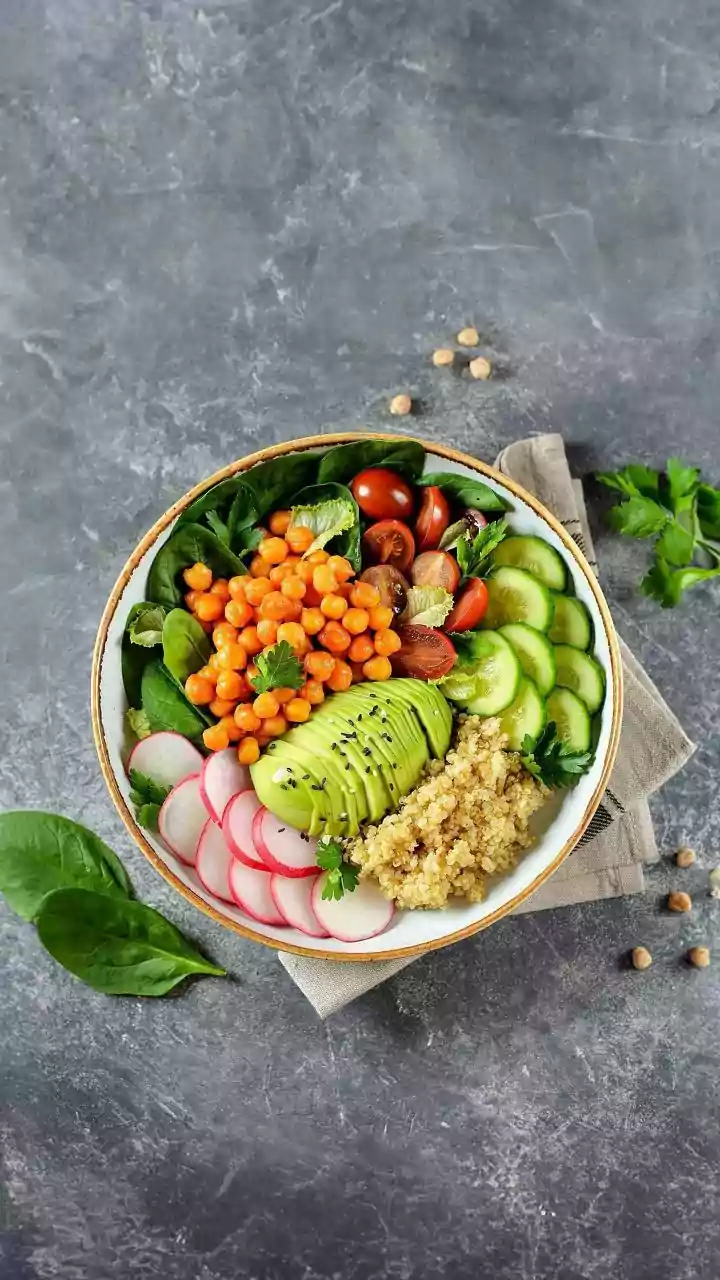
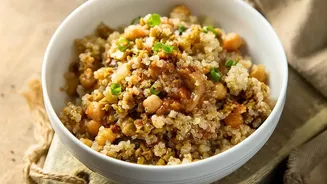
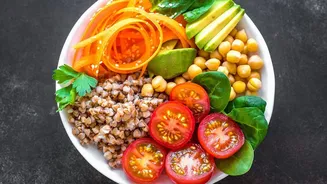
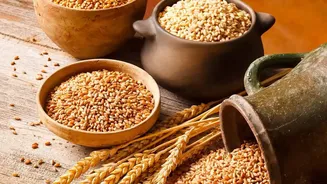
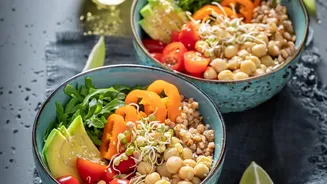
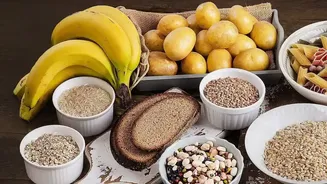
The principle behind pairing whole grains and legumes is called protein complementarity. Think of it as two friends helping each other out. Grains like wheat, rice, and oats are generally low in an essential amino acid called lysine, but they have plenty of another called methionine. Legumes—a family that includes lentils (dal), chickpeas (chana), beans (rajma), and peas—are the opposite. They are rich in lysine but low in methionine. When you eat them together, their amino acid profiles complement each other. The lysine from the legumes fills the gap in the grains, and the methionine from the grains fills the gap in the legumes. The result is a meal that provides your body with all nine essential amino acids, creating a high-quality, complete protein just as effective for your body's needs.
Classic Combinations You Already Love
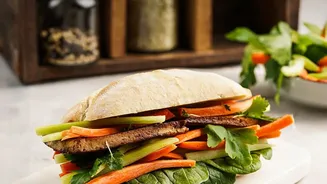
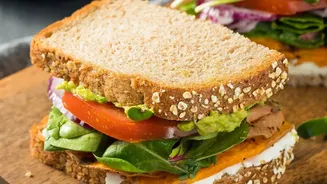
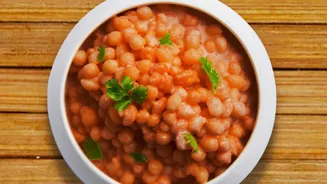
This nutritional wisdom isn't new; it’s been a cornerstone of traditional diets across India and the world for centuries. Dal and rice is a perfect example of a grain and a legume working together. The same goes for rajma with rice, or chana served with roti or puri. Beyond Indian cuisine, this principle is found everywhere: Mexican-style beans and tortillas, Middle Eastern hummus (chickpeas) with pita bread, and a simple peanut butter sandwich on whole wheat bread are all powerful protein pairings. These classic meals aren't just delicious and comforting; they are nutritionally intelligent, providing the complete set of tools your body needs for growth and repair.
Fueling Post-Workout Recovery
So, how does this relate to recovery? After any form of exercise, from a gym session to a long run, your muscle tissues have undergone stress and tiny micro-tears. Your body’s repair process, called muscle protein synthesis, requires a sufficient supply of all essential amino acids to rebuild these tissues stronger than before. Without a complete amino acid profile, this process is less efficient. By consuming a meal of combined grains and legumes after a workout, you provide your body with the full spectrum of building blocks it needs to effectively repair muscle, reduce soreness, and support overall recovery. It ensures that your hard work translates into stronger muscles and improved fitness, all powered by plants.
A Note on Timing
For years, it was thought that you had to eat complementary proteins in the very same meal for your body to use them effectively. However, modern nutritional science has shown that this isn't strictly necessary. Your body maintains a pool of amino acids it can draw from throughout the day. As long as you consume a variety of plant-based protein sources—grains, legumes, nuts, and seeds—over the course of a day, your body can combine the amino acids as needed. So, while a meal of dal and rice is fantastic, you could also have oatmeal for breakfast and a bean curry for dinner and still achieve the same complete protein benefit. This flexibility makes it even easier to meet your protein needs on a vegetarian diet without overthinking every single meal.