



The Science Behind Less Protein
For decades, calorie restriction has been the most studied dietary intervention for extending lifespan in organisms from yeast to rodents. However, sticking to a low-calorie diet is difficult for most people. Now, a growing body of research suggests that
the amount and type of protein we eat may be just as, if not more, important. Studies on flies, worms, and mice have shown that reducing protein intake can extend lifespan, even when the total number of calories remains the same. The proposed mechanism involves key nutrient-sensing pathways in our cells. One of the main players is a protein called mTOR, which acts as a master regulator for cell growth. High protein intake, particularly of certain amino acids, keeps the mTOR pathway highly active, signalling cells to grow and multiply. While essential for growth and repair, constant activation of this pathway may accelerate some ageing processes. Restricting protein can dial down this signal, shifting cells from a 'growth' mode to a 'maintenance and repair' mode, a process which includes autophagy, where cells clean out damaged parts.
Is It All Protein or Specific Culprits?
Further research indicates that it might not be about restricting all protein, but rather specific types called amino acids. Much of the focus has been on methionine and a group called branched-chain amino acids (BCAAs), which includes leucine, isoleucine, and valine. These amino acids are particularly abundant in animal proteins like red meat and dairy. Restricting just these specific amino acids in animal studies has been shown to mimic many of the metabolic benefits and even the lifespan extension seen with overall protein restriction. For example, some mouse studies have found that restricting BCAAs extended lifespan by over 30%, though interestingly, this effect was sometimes only seen in males. This has led scientists to explore whether the source of our protein matters. Large observational studies in humans have found that higher intake of plant-based protein is associated with lower mortality and slower biological ageing, while high intake of animal protein, especially processed red meat, is linked with higher risk.
The Other Side of the Coin: The Risks of Too Little Protein
Before you clear your pantry of all protein, it's crucial to understand the significant risks of not getting enough. This is especially true for older adults. One of the primary dangers of inappropriate protein restriction is sarcopenia, the age-related loss of muscle mass, strength, and function. This can severely impact mobility, balance, and overall independence. In fact, many public health agencies recommend that older adults should consume more protein—at least 1.0 to 1.2 grams per kilogram of body weight per day—to counteract muscle loss. This is nearly double the standard recommendation for younger adults. Insufficient protein intake in older populations has been consistently linked to reduced mobility and increased frailty. The benefits seen in longevity studies from protein restriction may apply more to middle age, with needs changing significantly as we get older. The goal is to live a long and healthy life, and maintaining strength and resilience is a massive part of that equation.
A Balanced Plate and Future Paths
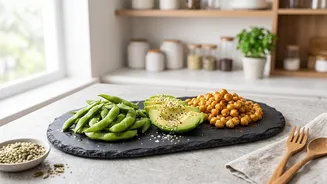
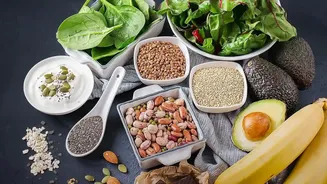
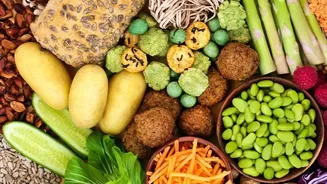
So, what does this all mean for your daily diet? The research highlights a paradox: excessive protein in midlife might accelerate ageing, while inadequate protein in later life can be detrimental. The evidence does not support a drastic, unsupervised protein-restricted diet, as the optimal levels for humans are still unknown. Instead, the findings point towards a more nuanced approach. For many sedentary adults, particularly those consuming a diet high in animal products, moderating protein intake and shifting the balance towards more plant-based sources could offer metabolic benefits. A diet rich in legumes, nuts, and whole grains provides protein along with fibre and other beneficial nutrients that support long-term health. Some researchers are exploring strategies like periodic cycles of low-protein intake for middle-aged adults, rather than constant restriction, to gain the cellular benefits without the long-term risks. Ultimately, the source of your protein and your stage of life are key considerations.