





Welcome to Barrier-Free Tolling
The National Highways Authority of India (NHAI) has rolled out a Multi-Lane Free Flow (MLFF) tolling system across the Manesar-Jaipur corridor of NH-48. As of early August 2026, the final plaza at Shahjahanpur has been equipped with this technology, making
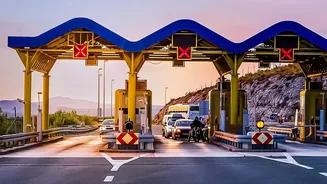
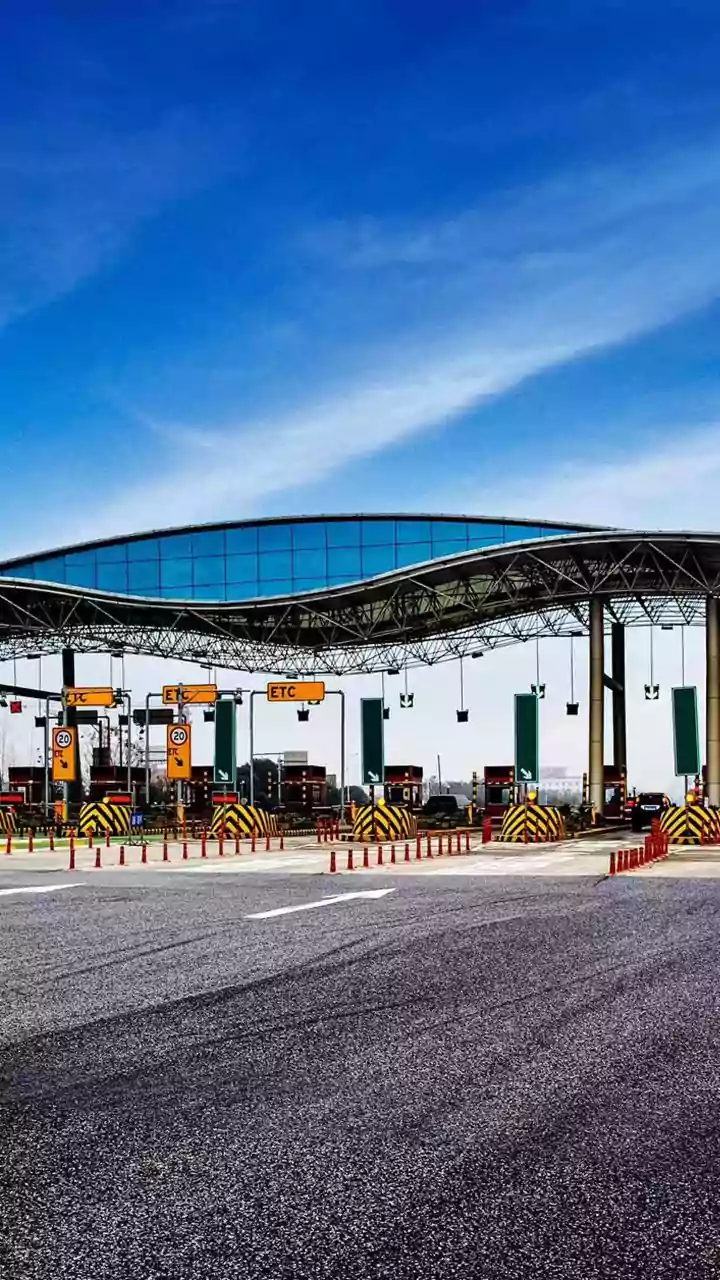
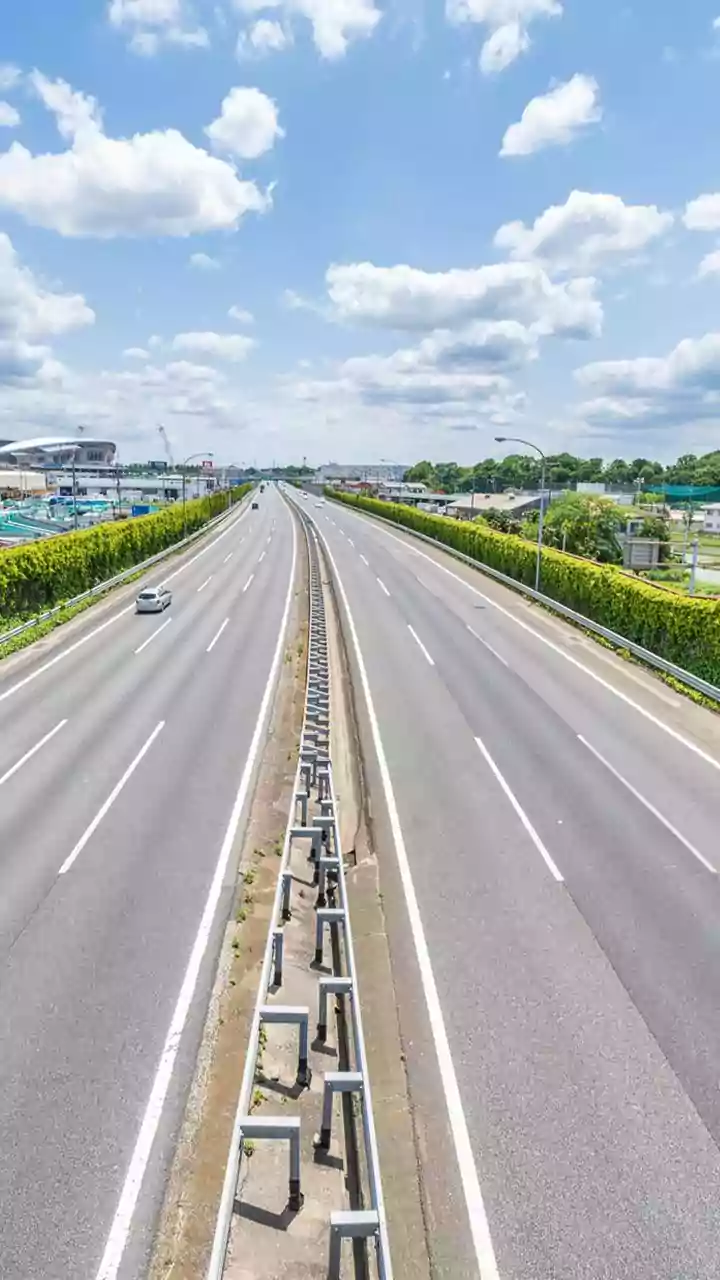
the entire route from Manesar to Jaipur completely barrier-free. Instead of stopping at traditional booths, vehicles can now pass through tolling points at highway speeds. Overhead gantries are equipped with advanced cameras and sensors that automatically collect the toll, promising to reduce congestion, save fuel, and cut down on travel time.
How the New System Works
The MLFF system uses a combination of two key technologies to ensure you are charged correctly without stopping. High-performance RFID readers scan your vehicle’s FASTag sticker, while Automatic Number Plate Recognition (ANPR) cameras capture your license plate as a secondary verification method. This dual system ensures accuracy and allows for toll collection even if a FASTag is faulty. The system identifies your vehicle, classifies it based on its size, and automatically deducts the correct toll from your linked FASTag account, all within seconds.
Why Your FASTag Balance is Critical
Under the old system, a low balance simply meant you were stopped at a toll booth and had to recharge or pay with cash. With the new barrier-free system, you will drive right through. The system will still attempt to deduct the toll. If your FASTag has an insufficient balance, is invalid, or is not working correctly, you won’t be stopped, but you will receive an Electronic Notice (E-Notice) for non-payment. This is where the consequences become more severe. You are required to pay the normal toll amount within 72 hours of receiving this notice. If you fail to do so, the penalty is steep: you will be required to pay double the standard toll fee for your vehicle category.
How to Avoid Penalties
The key to a smooth and penalty-free journey on this new corridor is proactive management of your FASTag account. NHAI has explicitly advised all highway users to maintain a sufficient balance to ensure uninterrupted travel. It is wise to check your balance before starting your trip, especially for a long journey like Delhi to Jaipur. You can check your balance through your FASTag provider's app, website, or via WhatsApp services if offered by your bank. Setting up an auto-recharge facility is another excellent way to ensure you are never caught with insufficient funds. Also, make sure your FASTag is properly affixed to your windscreen and that your vehicle has a High Security Registration Plate (HSRP), as the ANPR cameras rely on it for verification.
The Future of Indian Highways
The Delhi-Jaipur corridor is a flagship project for India's move towards modernised tolling. This MLFF system is a precursor to an even more advanced Global Navigation Satellite System (GNSS) based tolling, which the government is currently piloting. A GNSS system would charge vehicles based on the exact distance travelled on the highway rather than at fixed toll points, making billing even more precise. While a nationwide rollout of GNSS is still some time away, the success of barrier-free corridors like Delhi-Jaipur demonstrates a clear commitment to leveraging technology for a more efficient and user-friendly highway experience across the country.