

The Great Protein Puzzle
Protein is a word we hear all the time in conversations about health, fitness, and diet. But what is it, really? Think of proteins as the essential building blocks for your body. They are crucial for repairing tissues, building muscle, and producing enzymes
and hormones. These proteins are made up of smaller units called amino acids. There are 20 different amino acids, and your body needs a steady supply of them to function correctly. While your body can produce 11 of these amino acids on its own (known as non-essential amino acids), there are nine that it cannot make.
Meet the 'Essential' Nine
The nine amino acids that your body cannot synthesize are called essential amino acids, and you must get them from the food you eat. They are: histidine, isoleucine, leucine, lysine, methionine, phenylalanine, threonine, tryptophan, and valine. Animal products like meat, eggs, and dairy are famous for being 'complete' proteins because they contain all nine of these essential amino acids in sufficient amounts. This has led to the common but misleading belief that plant-based diets are inherently deficient in protein quality. The truth is more nuanced and, frankly, much more flexible.
Demystifying Plant Proteins
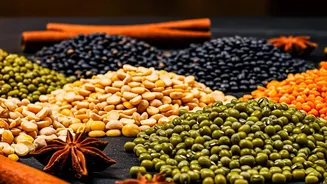
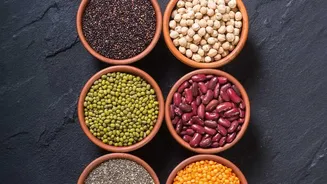
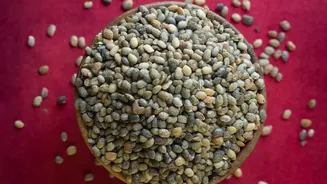
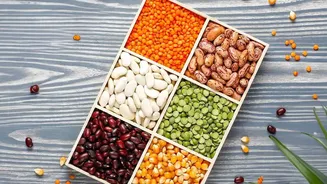
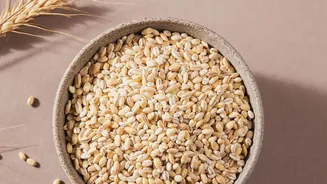
Here's the secret: most plant foods actually contain all nine essential amino acids. The catch is that, with a few exceptions, most individual plant sources have a low amount of one or two of these essential amino acids. This makes them what nutritionists call 'incomplete' proteins. For example, grains like rice and wheat are typically low in the amino acid lysine. On the other hand, legumes like lentils (dal), chickpeas (chana), and kidney beans (rajma) are rich in lysine but tend to be lower in methionine. This is not a dietary dead end; rather, it’s the key to unlocking plant protein synergy.
The Power of Pairing
Protein synergy, or protein combining, is the simple strategy of pairing different plant foods whose amino acid profiles complement each other. When you eat them together, the strengths of one food make up for the weaknesses of the other. The result is a meal that provides your body with all nine essential amino acids in the right proportions, creating a 'complete' protein profile without any animal products. This isn't a new-age health trend; it's the foundation of traditional cuisines around the world, including many staples of the Indian diet.
Synergy on Your Plate: Indian Classics
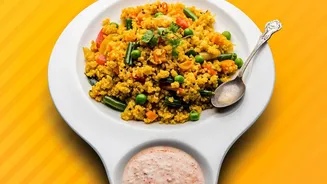
Chances are, you're already practicing protein synergy without even realizing it. The Indian thali is a masterclass in this concept. Dal and rice (chawal) is the most classic example. The lysine-rich dal perfectly complements the methionine-rich rice. Other powerful pairings include: Roti with dal or chole, where the wheat in the roti and the legumes fill each other's amino acid gaps. Rajma chawal is another North Indian favourite that combines a grain and a legume. Even breakfast foods like idli and dosa, made from a fermented batter of rice and urad dal, are a perfect complete-protein meal.
Do I Need to Combine at Every Meal?
In the past, it was believed that you had to eat complementary proteins in the very same meal for your body to use them. Modern nutritional science has shown this to be a myth. Your body maintains a 'pool' of amino acids that it can draw from throughout the day. So, as long as you eat a varied diet that includes a mix of different plant protein sources—like grains, legumes, nuts, and seeds—over the course of a day, your body will have all the building blocks it needs. Eating dal for lunch and roti for dinner is just as effective as eating them together.