


More Than a Six-Pack
When we talk about the 'core', it's easy to picture just the superficial 'six-pack' muscles (the rectus abdominis). But your true core is a complex, 360-degree system of deep muscles that wraps around your entire torso like a supportive corset. This includes
the transverse abdominis (your deepest abdominal layer), the obliques along your sides, and muscles in your lower back. A strong core is the foundation of almost every movement, promoting better posture, alleviating back pain, and improving overall balance. Yoga excels at strengthening this entire system, not by isolating muscles, but by teaching them to work together in a unified, functional way.
The Power of the Hold
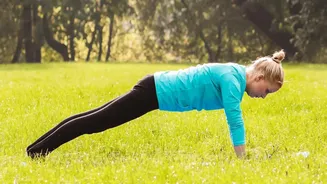
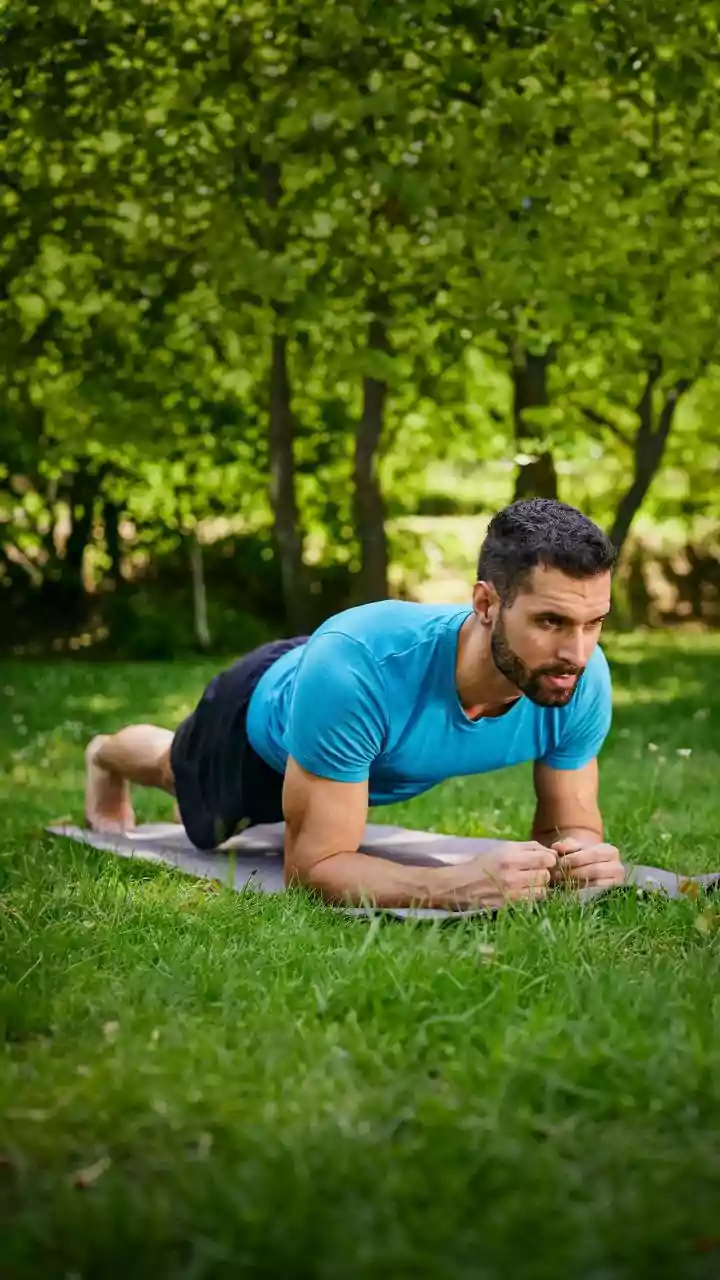
The magic of these workouts lies in holding poses, a practice known as isometric exercise. In an isometric contraction, your muscles tense up and engage without actually changing length. Think about holding a Plank pose: your body isn't moving, but your core muscles are firing intensely to keep your spine straight and stable. This sustained engagement builds deep strength and endurance. Linking your breath to the practice enhances this effect; a full exhale naturally causes you to draw your navel toward your spine, activating the deep transverse abdominis. This mindful connection helps you build functional strength that supports you both on and off the mat.
Plank Pose (Phalakasana)
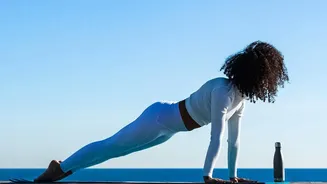
Plank is a fundamental pose for full-body core activation. It strengthens not just your abs but also your back, shoulders, and glutes. To practice, start on your hands and knees, then step your feet back until your body forms a straight line from your head to your heels. Your hands should be directly under your shoulders. Actively press the floor away and engage your core by imagining you are zipping up a tight pair of trousers. Avoid letting your hips sag or rise too high. For a gentler version, you can lower your knees to the mat, ensuring you still maintain a straight line from your knees to the crown of your head.
Bridge Pose (Setu Bandhasana)
Bridge Pose can be both restorative and strengthening. It’s excellent for engaging the deep core muscles, including the transverse abdominis, which wraps around your torso. Lie on your back with your knees bent and feet flat on the floor, hip-width apart. Place your arms alongside your body, palms down. On an exhale, press through your feet and lift your hips off the floor. Keep your thighs parallel and try to create a long, upward line from your shoulders to your knees. This pose strengthens your glutes and lower back while also providing a gentle stretch for your abs.
Boat Pose (Navasana)
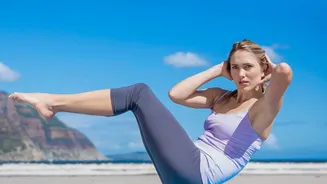
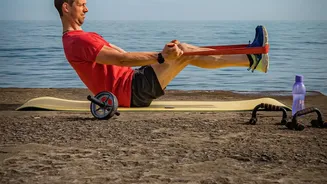
Boat Pose is a highly efficient core exercise that targets the abs, hip flexors, and back muscles all at once. Sit on the floor with your knees bent. Lean back slightly, keeping your spine straight, and lift your feet off the floor. Your shins can be parallel to the floor for a modified version, or you can straighten your legs into a 'V' shape for more intensity. Extend your arms forward, parallel to the floor. The key is to balance on your sitting bones while keeping your chest lifted. This isometric hold builds serious stability and endurance in your midsection.
Bird-Dog Pose (Dandayamana Bharmanasana)
Also known as Balancing Table Pose, this is a fantastic beginner-friendly pose for building core stability. It trains your abs and lower back to work together to keep your spine steady and balanced. Start on all fours. On an inhale, extend your right arm straight forward and your left leg straight back, keeping both parallel to the floor. Hold for several breaths, focusing on keeping your hips level and your core tight to prevent your lower back from arching. Exhale as you return to the start and then switch sides. This teaches your core to resist rotation and maintain balance.