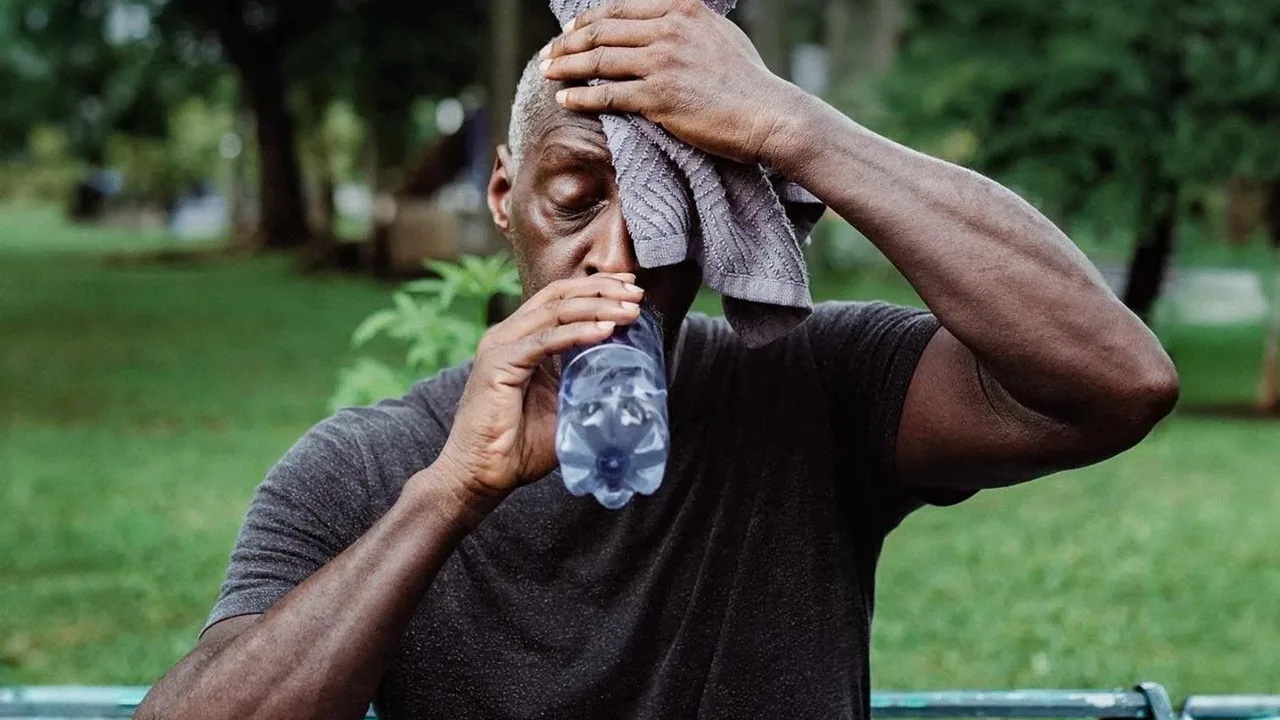







The Difference Between Tired and Fatigued
First, let's distinguish between normal post-exercise tiredness and persistent fatigue. Feeling sore or weary after a tough workout is expected; it’s a sign your muscles are adapting. This kind of fatigue should improve with a day or two of rest and recovery.
However, persistent fatigue is different. It's a deep, lasting exhaustion that doesn’t go away with a good night’s sleep. Workouts that once felt manageable now feel like a struggle, and your motivation might be hitting rock bottom. This lingering exhaustion is a red flag that your routine needs a closer look.
Are You Pushing Too Hard? The Signs of Overtraining
One of the most common culprits behind exercise-related fatigue is overtraining syndrome (OTS). This happens when you consistently push your body harder than it can recover from, leading to a state of chronic stress. Signs of overtraining are both physical and mental. You might experience persistent muscle soreness, a plateau or decline in your performance, and 'heavy' legs during workouts. You could also have trouble sleeping, feel unusually irritable or anxious, and notice you're getting sick more often. Your resting heart rate might be higher than normal, or it may take longer to come down after exercise. Essentially, too much exercise without enough rest can disrupt your hormones and immune system.
The Crucial Role of Rest and Recovery
Enthusiasm for fitness is great, but skipping rest days is a fast track to burnout. Recovery is when the magic happens: your muscles repair, rebuild, and grow stronger. Without adequate downtime, you're just breaking your body down without giving it a chance to adapt. This doesn't just mean taking full days off. It also includes scheduling lighter activity, getting enough quality sleep, and managing stress from other parts of your life, like work or family pressures. If your body's total stress load is too high, it won't be able to effectively recover from your workouts, no matter how dedicated you are.
Is Your Fuel Tank Empty? The Nutrition Connection
Exercise burns energy, and if you're not refuelling properly, you'll feel the effects. Persistent fatigue can be a sign that your diet isn't supporting your activity level. Your body needs a balanced mix of carbohydrates to replenish energy stores (glycogen), protein to repair muscle tissue, and healthy fats. Under-eating or skipping meals can force your body into an energy deficit, making recovery sluggish and leaving you feeling drained. Dehydration is another major factor; even a small fluid loss can lead to fatigue. It's also vital to eat within about 60 minutes after a strenuous workout to help your muscles rebuild and recover efficiently.
The Power of Sleep
You can’t out-train a bad sleep schedule. Sleep is perhaps the most critical component of recovery. During deep sleep, your body releases growth hormone, which is essential for muscle repair and growth. Poor or insufficient sleep not only hinders physical recovery but also impacts your mental focus, motivation, and coordination, increasing your risk of injury. If you're struggling with insomnia or waking up feeling unrefreshed, it can be both a cause and a symptom of overtraining. Experts recommend seven to nine hours of quality sleep per night for active individuals to properly recover.
When to See a Doctor
If you’ve adjusted your routine, prioritized rest, improved your nutrition, and are still battling deep fatigue for more than a couple of weeks, it may be time to consult a doctor. Persistent exhaustion can sometimes signal an underlying medical issue that isn't related to your workouts, such as anemia, a thyroid disorder, or chronic fatigue syndrome. A healthcare provider can help rule out other causes and ensure you get the right diagnosis and treatment.