






The Food Processing Spectrum
To understand what “ultra-processed” means, it helps to know about the most widely used classification system, called NOVA. Developed by researchers in Brazil, NOVA isn't about nutrients like fat or sugar, but about the extent of industrial processing
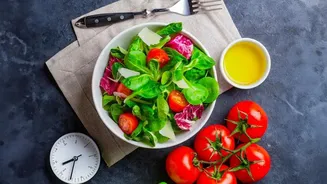
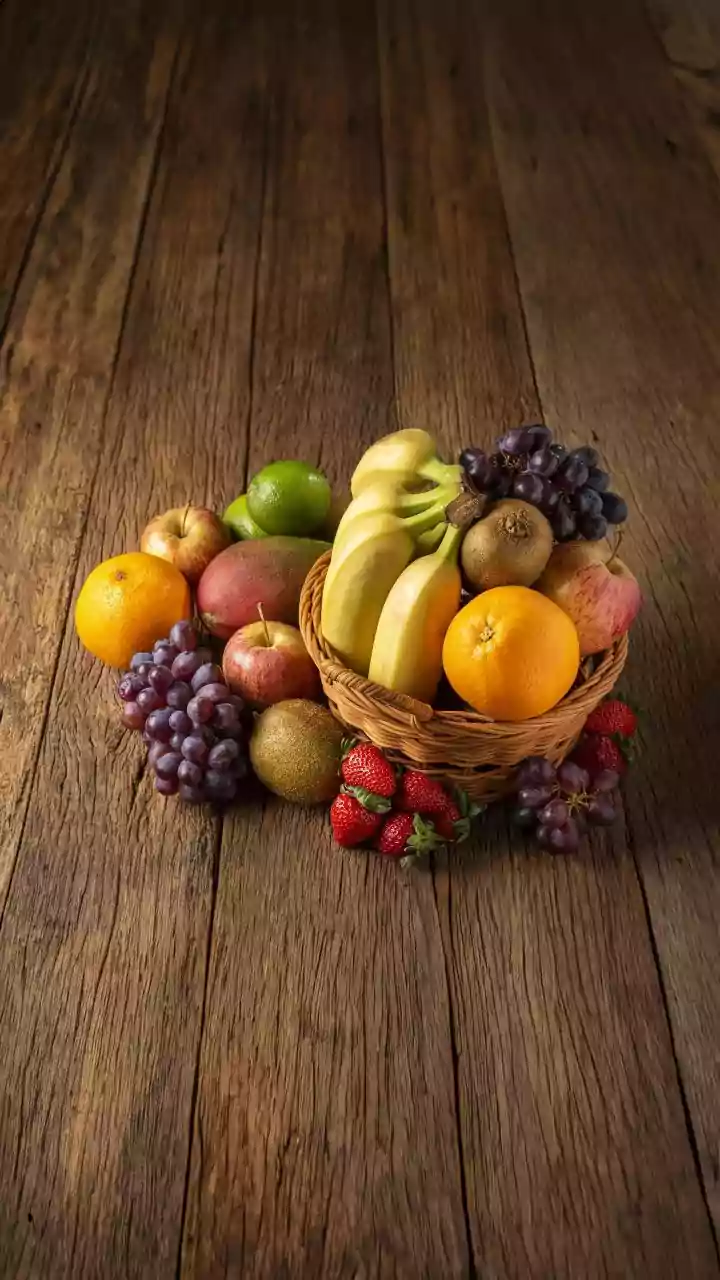
a food undergoes. It sorts everything we eat into four simple groups. Group 1 is 'unprocessed or minimally processed foods'—think fresh fruits, vegetables, plain rice, dals, eggs, and meat. Group 2 is 'processed culinary ingredients', like oils, butter, sugar, and salt, which are derived from Group 1 foods and used for cooking. Group 3, 'processed foods', combines foods from the first two groups. Examples include freshly baked bread, cheese, and canned vegetables. This is where foods are modified, but are still recognizable.
Defining Ultra-Processed
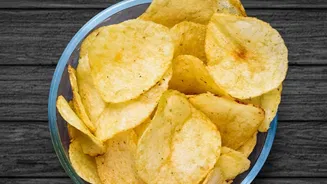
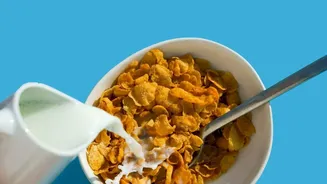
The fourth and final category is 'ultra-processed foods' or UPFs. These are not just modified foods; they are industrial formulations. UPFs are typically made from substances extracted from foods, like fats, starches, and sugars, and then assembled into a final product with industrial additives you wouldn't use in your home kitchen. Think flavour enhancers, emulsifiers, artificial colours, and thickeners. The goal is often to create convenient, long-lasting, and hyper-palatable products. Common examples include sodas, packaged snacks like chips, instant noodles, sugary cereals, and many ready-to-eat meals. A simple rule of thumb: if the ingredient list is long and full of chemical-sounding names, it's likely a UPF.
New Research Adds Nuance
While the headline mentions a single 'new study', the reality is a wave of recent research is refining our understanding. A study from Johns Hopkins University published in early 2026 compared the NOVA system with three other classification frameworks. It found that while there were differences in how systems categorised certain foods, they all consistently linked higher consumption of highly processed foods to poor nutrient intake and higher health risks. This reinforces the general concern about these foods. However, other recent studies highlight that not all UPFs are created equal. Some research has shown that certain UPFs, like whole-grain breads or plant-based alternatives, may not carry the same risks as items like sugary drinks or processed meats. A July 2026 study even suggested that overall diet quality is more important than the level of processing alone.
Why This Distinction Matters
The reason for this focus on UPFs is their strong link to negative health outcomes. Multiple large-scale studies have associated diets high in ultra-processed foods with an increased risk of obesity, heart disease, type 2 diabetes, certain cancers, and even depression. These foods are often high in added sugar, unhealthy fats, and sodium, while being low in essential nutrients like fibre, vitamins, and minerals. Their texture and formulation can also disrupt feelings of fullness, potentially leading to overeating. With UPFs making up a significant portion of diets in many countries, understanding what they are and their health impact is crucial for making informed choices.