


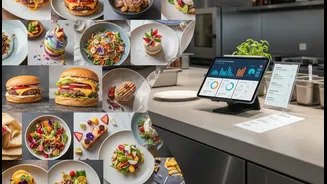


The Digital Buffet We Can't Order From
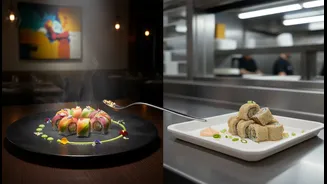
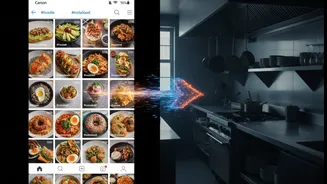
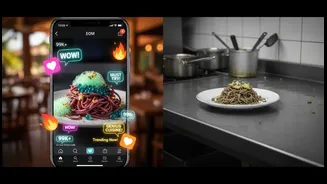
In 2026, food discovery in India often begins not with a recommendation from a friend, but with a 30-second reel. Platforms like Instagram have become the country's new food search engine, where 'camera eats first' is the dominant culture. Dishes are
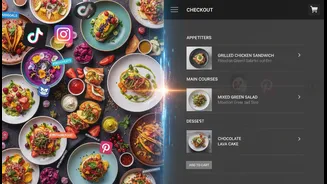
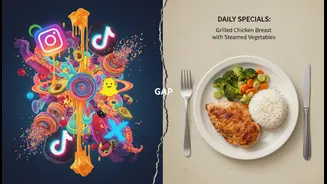
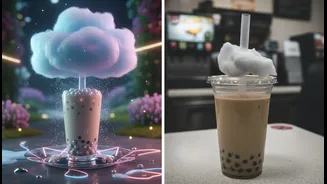
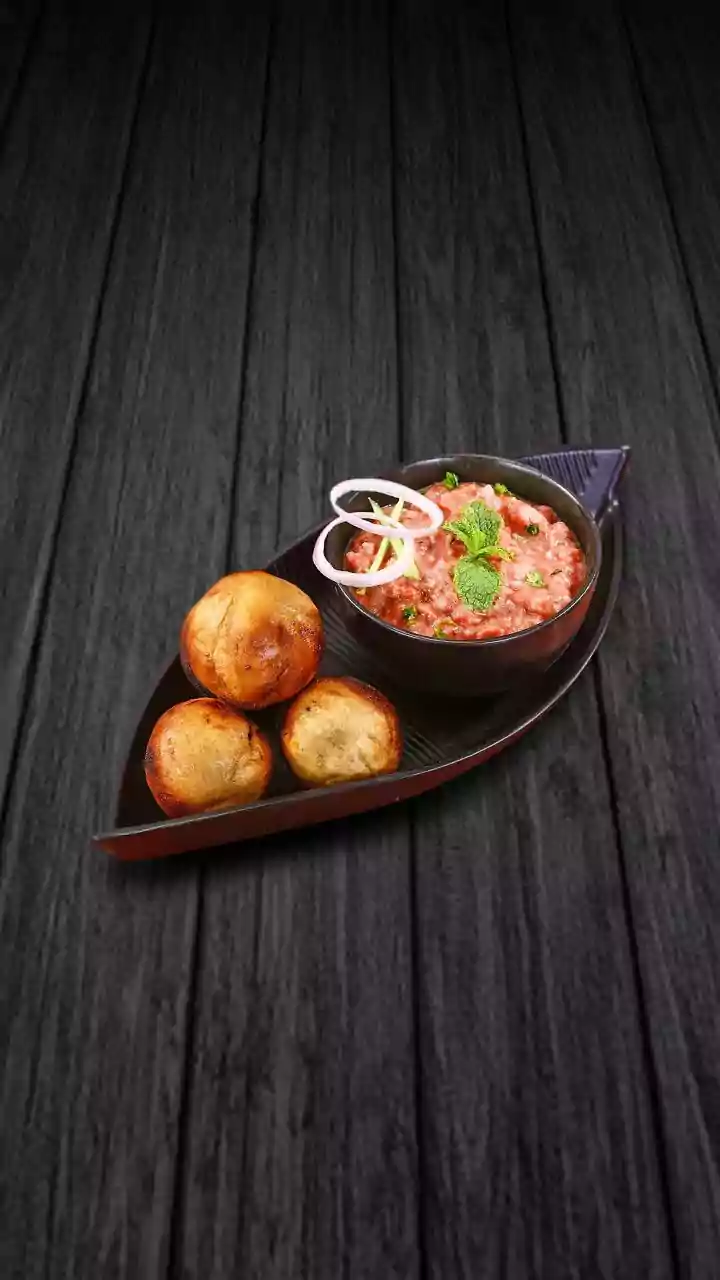
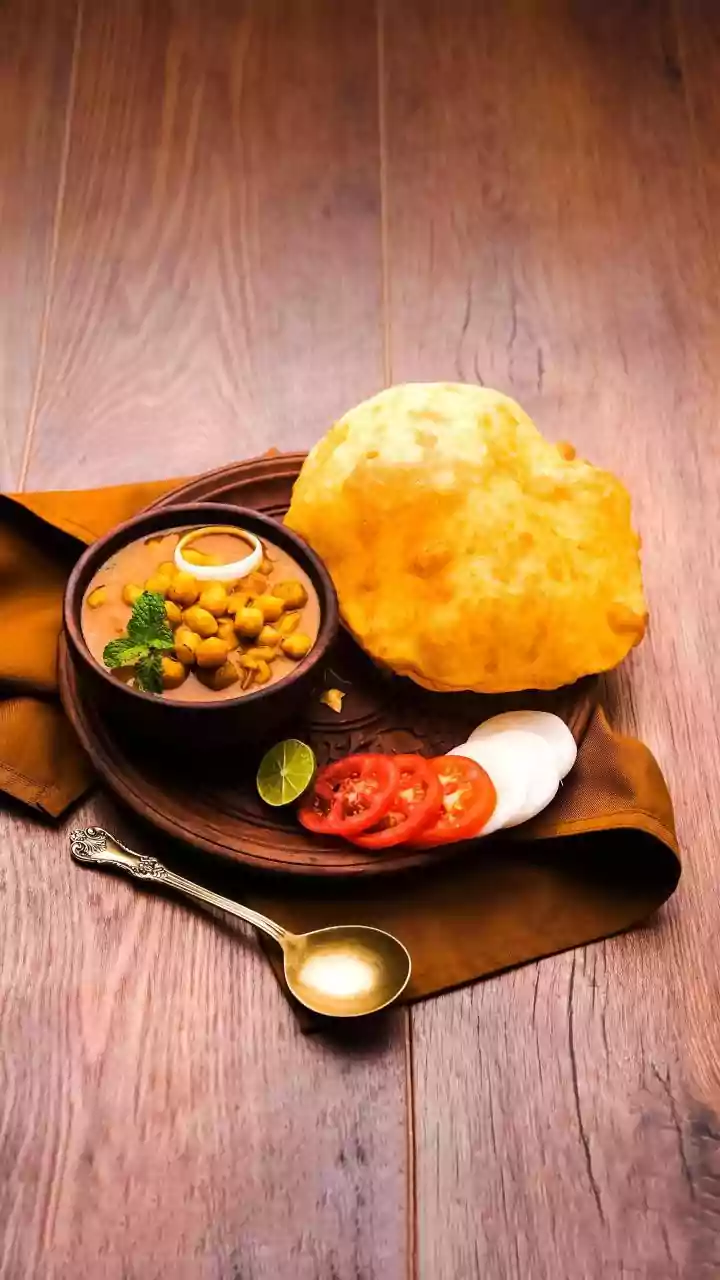
increasingly designed for visual spectacle: oversized portions, dramatic cheese pulls, and vibrant, contrasting colours are engineered to stop you from scrolling. Recent trends have included everything from experimental fusion dishes and hyper-local street food given a cinematic twist to the surge in wellness-focused smoothie bowls and high-protein meals. This digital menu is vast, exciting, and constantly updated. Yet, when diners go out to eat, they often find that the food trending on their screens is conspicuously absent from the menus in their hands, creating a frustrating disconnect between digital desire and physical reality.
The High Cost of a Fleeting Craze
For a restaurant, jumping on a viral trend is not as simple as recreating a recipe from a video. The primary barrier is economic. Trends have an incredibly short lifespan; a dish that is a sensation one week can be forgotten the next. Investing in a temporary fad is a significant financial gamble. The costs include research and development, sourcing new or niche ingredients, training kitchen staff on new preparation techniques, and potentially redesigning and reprinting menus. Many restaurant owners find the risk of being left with unpopular inventory and wasted resources too high. Unlike the fast-paced digital world, a restaurant's operations are built on consistency and predictability, making it difficult and expensive to pivot on a whim.
More Than Just an Ingredient Problem
Beyond the financial risks, there are significant operational and branding hurdles. Sourcing specialised ingredients for a niche trend can be a logistical nightmare, especially outside major metropolitan hubs where supply chains may be less developed. Furthermore, many established restaurants have spent years, or even decades, cultivating a specific culinary identity. A fine-dining restaurant known for its authentic regional cuisine cannot suddenly start serving oversized, loaded fries without diluting its brand and confusing its loyal customer base. Maintaining a reputation for quality and authenticity often means resisting the pull of every transient trend. Chefs must balance innovation with the core DNA of their cuisine, a challenge that a viral video rarely addresses.
The Agile Few: Cloud Kitchens and Cafes
However, some parts of the food industry are perfectly built for this new era. Cloud kitchens, also known as virtual or ghost kitchens, are a prime example. Operating without a physical storefront or dine-in service, these delivery-only businesses have low overheads and can adapt their menus with remarkable speed. They can launch a new brand focused on a single trending item, test its popularity, and shut it down if it fails, all with minimal financial loss. Similarly, modern cafes and Quick Service Restaurants (QSRs) are learning to adapt by introducing viral items as limited-time offers. This strategy allows them to capture the buzz and attract new customers without overhauling their core menu or long-term identity.