





Deconstructing the Carb Question
The conversation around carbohydrates has become oversimplified. The key is understanding the difference between simple and complex carbs. Simple carbs, like those in sugary drinks and refined white bread, are digested quickly, causing blood sugar spikes.
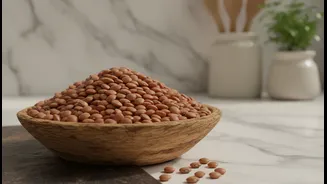
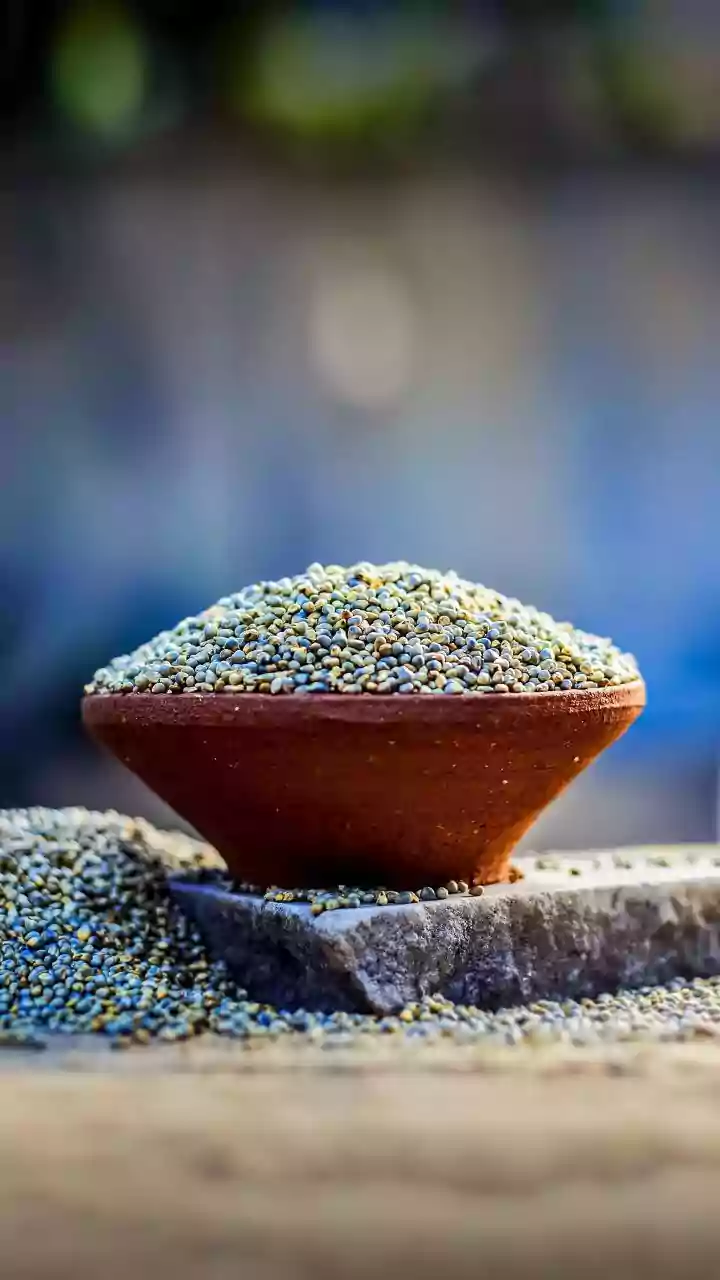
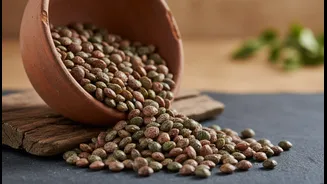
Complex carbohydrates, found in foods like whole grains and legumes, are made of longer molecule chains that take more time to break down. Dals are a prime example of a complex carbohydrate source. This slow digestion process provides a more stable and sustained release of energy. Furthermore, dals have a low glycemic index (GI), a measure of how quickly a food raises blood sugar levels. Most lentils have a GI value between 25 and 35, which is firmly in the 'low' category, making them an excellent choice for steady energy and blood sugar management.
A Plant-Based Protein Powerhouse
Long before protein powders became a pantry staple, dal was the subcontinent's go-to source for this essential macronutrient. For a largely vegetarian population, dal is not just an accompaniment but a cornerstone of daily nutrition. A single serving can provide a significant portion of one's daily protein needs, essential for building and repairing tissues, muscle development, and overall bodily function. While most individual dals are not a 'complete' protein, meaning they lack one or more essential amino acids, the traditional Indian meal structure brilliantly solves this. The classic pairing of dal with rice or roti creates a complete protein profile, where the amino acids from the grain complement those in the lentils. This combination provides all nine essential amino acids, making the humble meal of dal-chawal nutritionally comparable to meat sources.
Rich in Fibre and Micronutrients
Beyond carbs and protein, dal is incredibly dense in other vital nutrients. It is an exceptional source of dietary fibre, with a cooked cup providing a substantial amount of the daily recommended intake. This fibre is crucial for digestive health, promoting regularity, and feeding a healthy gut microbiome. It also aids in satiety, keeping you feeling full for longer, which can help in weight management. The nutritional benefits don't stop there. Dals are loaded with essential minerals and vitamins. They are a fantastic source of iron, which is vital for preventing anaemia and transporting oxygen in the blood. They are also rich in folate (a B-vitamin crucial during pregnancy), magnesium, potassium, and zinc, all of which play critical roles in everything from heart health and blood pressure regulation to immune function.
More Than Food, It's Culture and Comfort
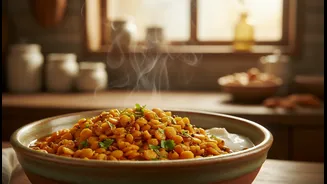
To reduce dal to its nutritional stats is to ignore its soul. In India, dal is the flavour of home, a unifier across diverse regions, religions, and social classes. Archaeological evidence shows lentils were a staple in the Indus Valley Civilization, thousands of years ago. Every region has its own signature preparation: the tangy Khatti Dal of Hyderabad, the coconut-infused dals of Kerala, the sweet-and-sour Gujarati dal, and the rich, creamy Dal Makhani of Punjab are just a few examples. Dal-chawal is the ultimate comfort food, the first meal served to those in grief and the simple, nourishing dish one craves when unwell. It is a symbol of domesticity, family, and shared heritage, a constant presence in both daily meals and celebratory feasts. This deep cultural and emotional resonance is something no nutrition label can ever capture.