




The Pinch in the Pantry
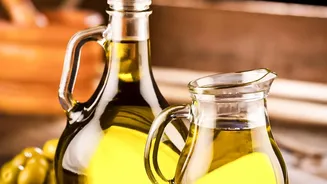
From sunflower to mustard to groundnut, the price of edible oils has been a hot topic. Global factors, shifting policies on biofuels, and India's reliance on imports all contribute to price volatility that is felt directly at the grocery store. With India meeting
a significant portion of its vegetable oil needs through imports, international market shifts quickly translate to higher costs for consumers. This financial squeeze forces families to make tough choices, but giving up beloved dishes doesn't have to be one of them. The key lies not in eliminating oil, but in optimising its use through intelligent cooking techniques.
Embrace Steaming and Pressure Cooking
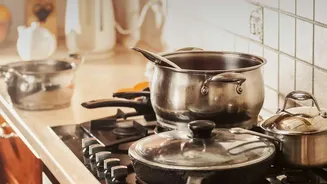
Two of the most effective methods for low-oil cooking are already staples in many Indian homes: steaming and pressure cooking. Steaming is a zero-oil method by definition, using water vapour to cook food gently, preserving nutrients and fresh flavours. It's perfect for snacks like dhokla and idli, as well as vegetables and fish. Pressure cooking also drastically reduces the need for oil, using trapped steam to cook dals, legumes, and rice quickly and efficiently with just water and spices. For both methods, you can add a flavourful, minimal-oil tadka at the end rather than using large amounts of oil at the start.
Baking and Roasting: The Dry Heat Advantage
Don't reserve your oven just for cakes. Baking and roasting are fantastic dry-heat methods that can achieve a delightful crispiness with a fraction of the oil used in frying. Vegetables like potatoes, cauliflower, and paneer, once tossed in a teaspoon of oil and spices, develop a beautifully caramelised exterior when roasted at high heat. This technique can be used to make healthier versions of favourites like aloo tikki or kebabs. You get the satisfying texture and deep flavour without submerging your food in oil, making it a win for both your wallet and your health.
The Air Fryer Revolution
For those who crave the specific crunch of deep-fried snacks, the air fryer has been a game-changer. This appliance works by circulating extremely hot air at high speed, replicating the texture of deep-frying with little to no oil. Samosas, pakoras, cutlets, and vadas can be made with a mere brushing or spray of oil, achieving a result that is remarkably close to the original. While an investment, an air fryer can significantly cut down on oil consumption, offering a way to enjoy traditional fried treats more frequently and without the guilt or high cost.
Smarter Sautéing and Tadka
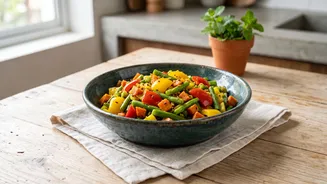
Most Indian gravies start with sautéing onions, ginger, garlic, and tomatoes. You can drastically cut oil here by using a good quality non-stick pan, which prevents food from sticking. Another trick is to use water or vegetable broth for sautéing. Start with a small amount of oil for the initial tempering of spices, then add a few tablespoons of water as you cook your masala base, allowing the ingredients to soften without absorbing excess fat. When it comes to the final tadka, use a small, dedicated tadka pan. Its curved shape allows a small amount of oil to heat up quickly, perfectly blooming your spices without waste.