

The Tranquil Waters of Chilika Lake
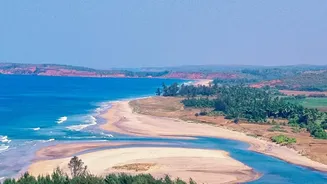
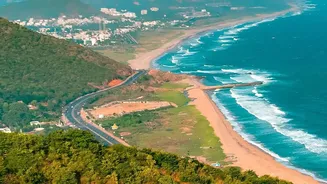
Begin your journey just south of Bhubaneswar at Chilika Lake, Asia’s largest brackish water lagoon. This vast expanse of water, separated from the Bay of Bengal by a long sandbar, is a sanctuary for both wildlife and those seeking peace. The lake is a haven
for migratory birds during the winter months, with species arriving from as far as Siberia. At Satapada, you can hire a boat for a chance to spot the rare Irrawaddy dolphins playing in the water. The region is also a hub for ecotourism, with community-run initiatives in places like Mangalajodi offering guided birdwatching tours that support local livelihoods. A visit to Kalijai Island, home to a temple dedicated to the goddess Kalijai, adds a spiritual dimension to the serene natural beauty of the lake.
Gopalpur-on-Sea: A Quiet Coastal Retreat
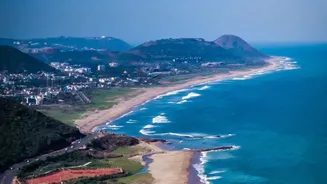
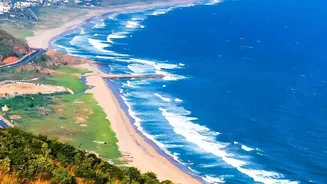
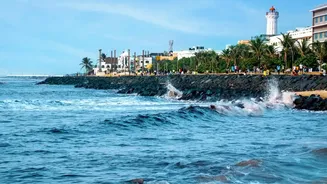
Further down the coast lies Gopalpur-on-Sea, a quiet beach town with a rich history. Once a bustling commercial port during the British era, it has since settled into a tranquil retreat far from the crowds of Puri. The town's colonial past is visible in its crumbling old jetty and the historic lighthouse, which offers panoramic views of the coastline. Gopalpur’s charm lies in its unhurried pace. Long walks on the golden sand, enjoying fresh seafood from local vendors, and watching spectacular sunrises are the main attractions here. It serves as an excellent base for exploring nearby sites like the Rushikulya rookery, a major nesting ground for Olive Ridley turtles, and the Taptapani hot springs nestled in the Eastern Ghats.
Satkosia Gorge: Where the River Cuts Through Mountains
For a change of scenery from the coast, head inland to the magnificent Satkosia Gorge. Here, the mighty Mahanadi River carves a dramatic 22-kilometre-long canyon through the Eastern Ghats. This protected sanctuary is a treasure trove of biodiversity, home to elephants, leopards, and a variety of deer. The river itself is a conservation site for gharials and mugger crocodiles. Eco-camps at spots like Tikarpada and Badmul offer rustic but comfortable stays, allowing you to fully immerse yourself in nature. Activities range from boat trips on the river and jungle safaris to trekking through the dense sal forests. The community-led ecotourism model ensures that your visit helps support conservation and provides income for local villagers.
Daringbadi: The 'Kashmir of Odisha'
Venture into the highlands of Kandhamal district to discover Daringbadi, a hill station fondly known as the 'Kashmir of Odisha' for its cool climate. Situated at an altitude of 3000 feet, this region is a world away from the coastal plains, featuring pine forests, coffee plantations, and mist-covered valleys. The journey itself is scenic, winding through the hills of the Eastern Ghats. Attractions include Hill View Park for panoramic vistas, nearby waterfalls, and sprawling coffee and black pepper gardens maintained by the forest department. The area is also home to the Kutia Kondh tribe, one of India's oldest indigenous communities, adding a rich cultural layer to the stunning natural landscape. It's an ideal destination for those seeking a slower pace and a refreshing escape.
The Tribal Heartlands of Koraput
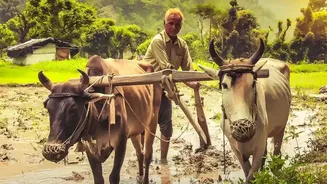
For a truly immersive cultural experience, the southern district of Koraput offers a window into the life of Odisha's diverse tribal communities. This region is known for its stunning landscapes, including Deomali, Odisha's highest peak. The real highlight, however, is the opportunity for responsible cultural exchange. Odisha is home to 62 distinct tribal communities, and the Koraput region is one of the best places to learn about their traditions. It is crucial to approach tribal tourism with sensitivity and respect, preferably through a responsible tour operator who ensures that local communities benefit from your visit and that their privacy is honoured. Visiting a weekly market, or 'haat', like the one in Chatikona, provides a vibrant glimpse into the local economy and way of life without being intrusive.