


First, What Is Sourdough Discard?
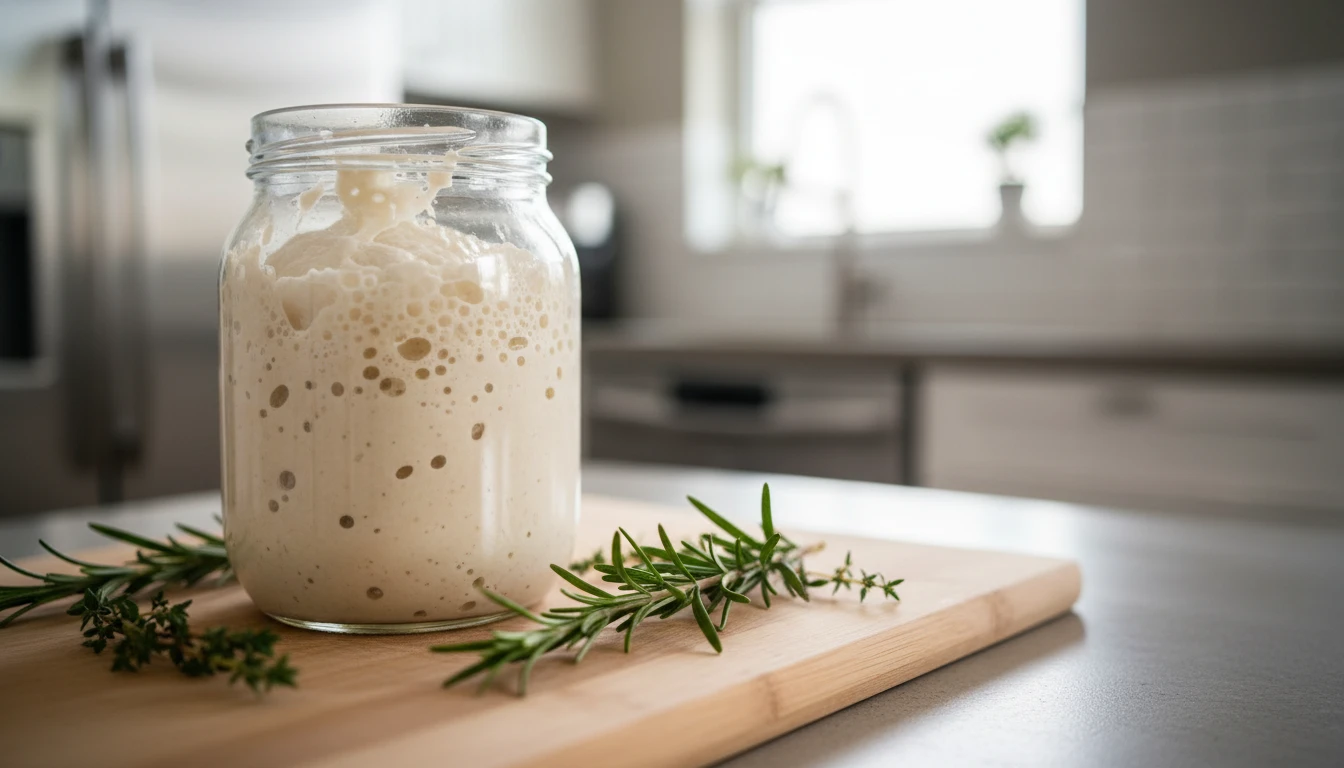
If you maintain a sourdough starter, you know the drill. To keep the living culture of yeast and bacteria healthy and active, you must regularly 'feed' it with fresh flour and water. But before you feed it, you have to remove a portion of the existing
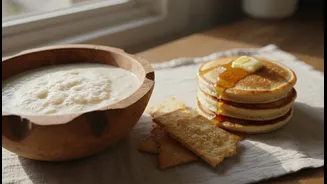
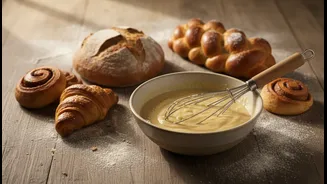
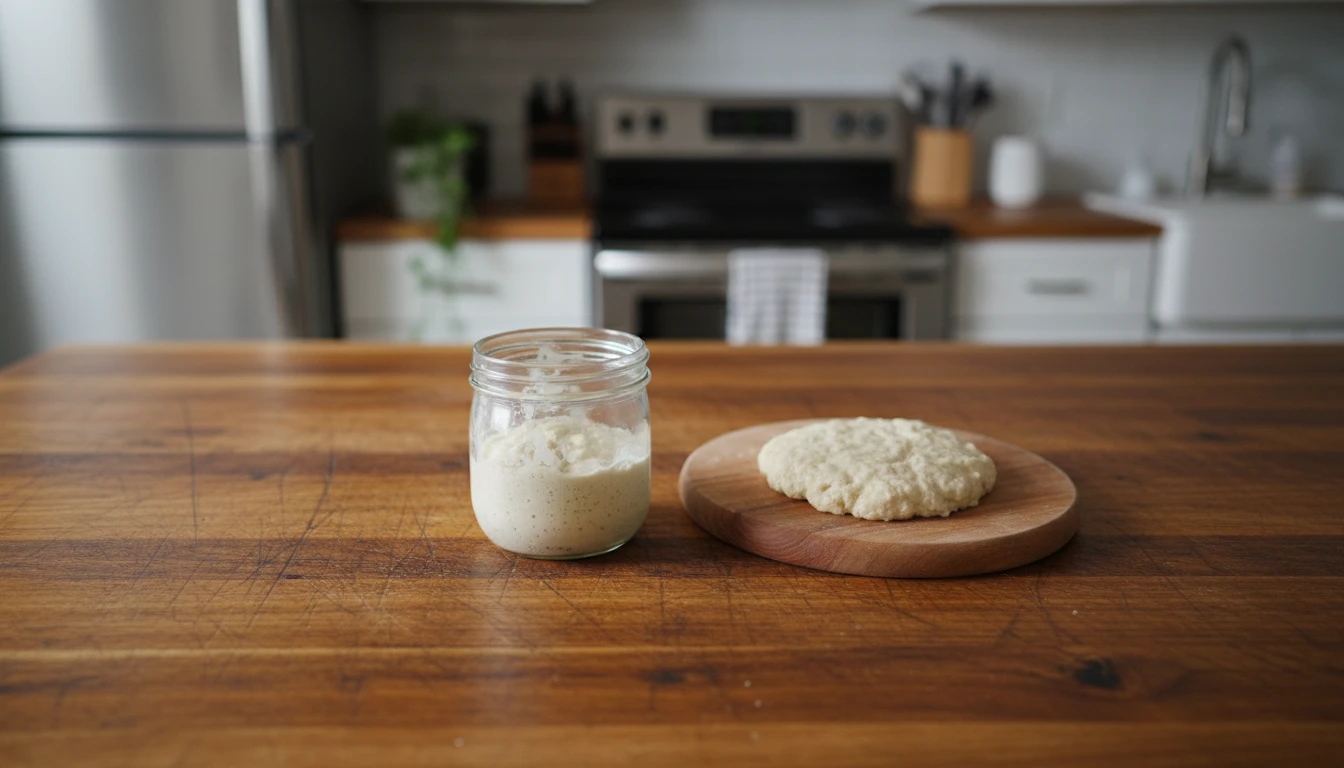
starter to manage its size and acidity. This removed portion is what's known as sourdough discard. While the name implies it's trash, it's actually a potent flavour enhancer. Think of it as 'sourdough surplus'. It’s an unfed, overripe starter that's packed with tangy, complex notes that can elevate a wide range of dishes. Throwing it away is a missed opportunity for both flavour and food waste reduction.
The Classic Breakfast Transformation
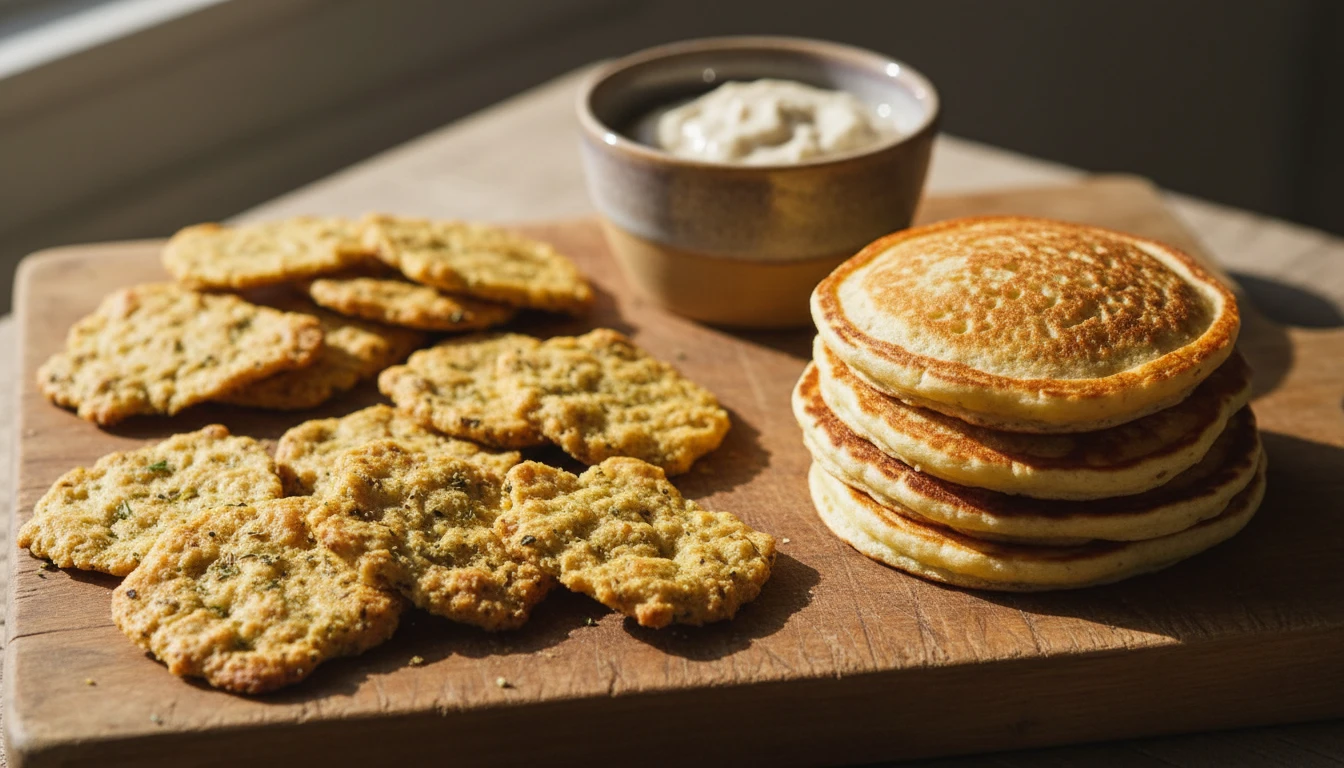
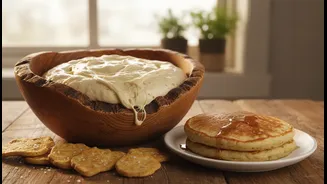
The most popular and perhaps easiest way to use sourdough discard is by incorporating it into your breakfast routine. The acidity in the discard acts much like buttermilk, adding a subtle tang and creating an incredibly tender texture in pancakes, waffles, and crêpes. Unlike recipes that need an active, bubbly starter for leavening, most discard pancake and waffle recipes rely on baking soda and baking powder for the rise, using the discard purely for its flavour and tenderizing qualities. The result is exceptionally light and fluffy pancakes with a depth of flavour that regular batter just can't match. It’s a simple swap that turns a standard weekend breakfast into something special.
Crispy, Crunchy, Savory Snacks
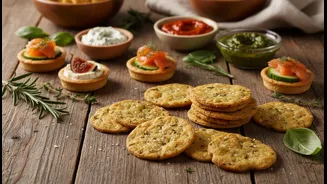
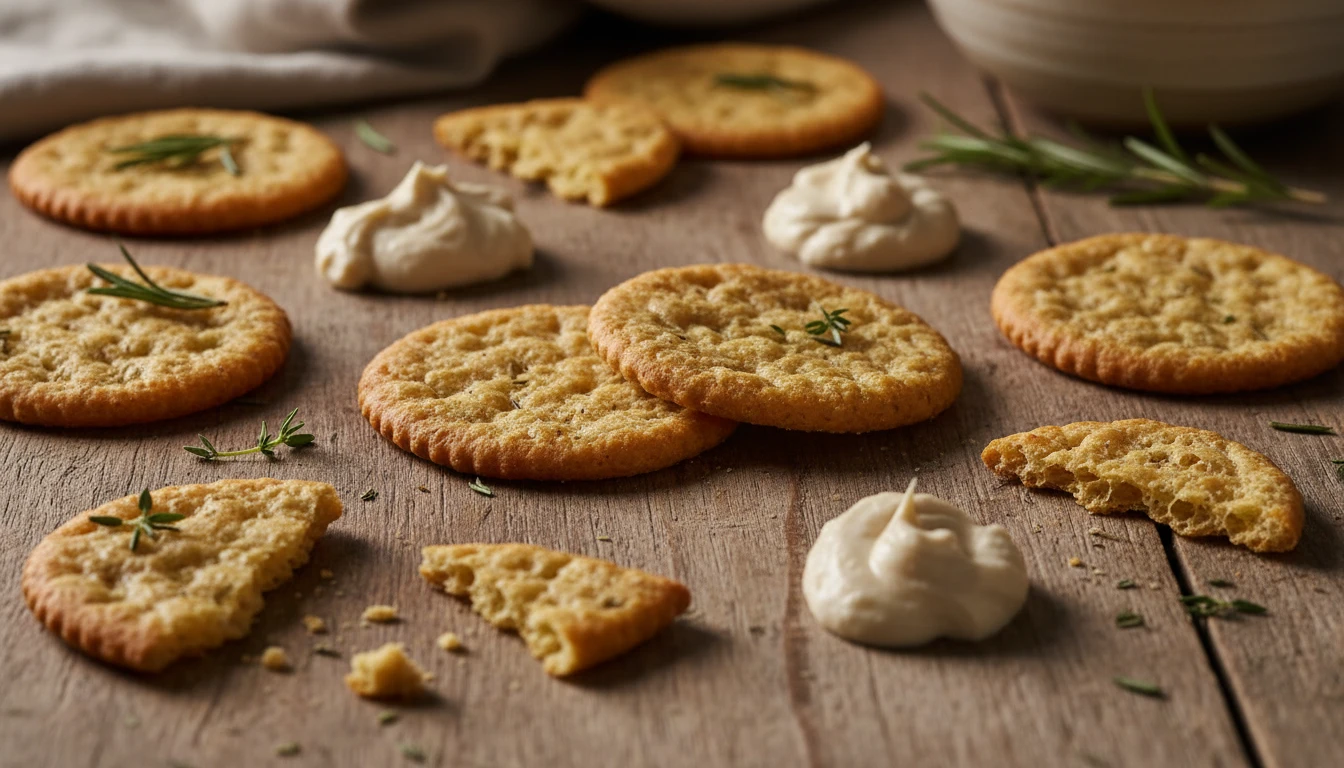
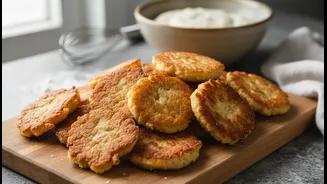
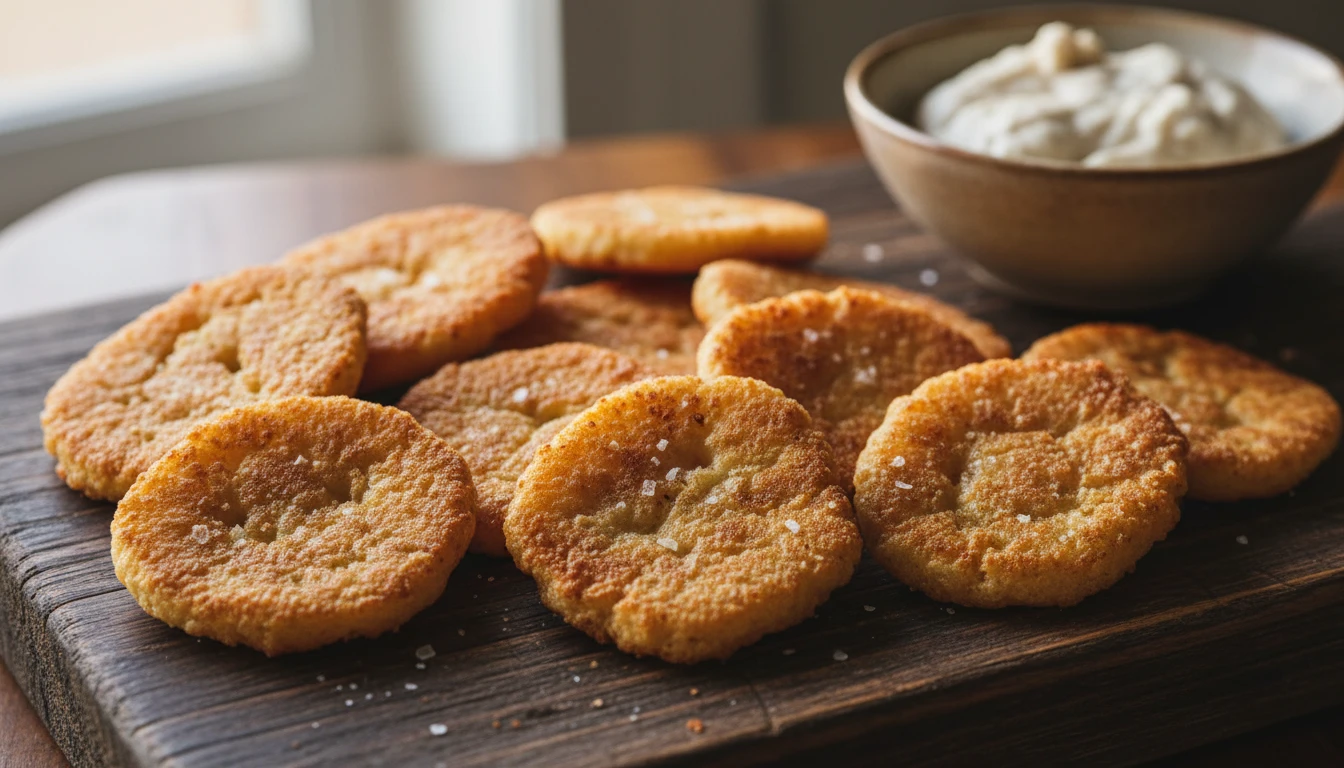
Sourdough discard is a secret weapon for creating addictive, crispy snacks. Crackers are a fantastic starting point. With just discard, a little fat like butter or oil, and some seasonings, you can bake thin, crunchy crackers that have an almost cheesy flavour. You can also incorporate discard into doughs for soft pretzels, everything bagel bites, and garlic knots, where it adds a distinctive chew and tangy undertone. For something different, try making flaky scallion pancakes; the discard creates beautiful layers and a satisfying chewiness that pairs perfectly with the fresh onions. These snacks are not only delicious but also a great way to use up a significant amount of discard.
A Boost for Tender Baked Goods
While discard doesn't have the leavening power of an active starter, it adds moisture and a wonderful depth of flavour to many baked goods. It can be added to recipes for muffins, scones, biscuits, and quick breads like banana or zucchini bread. The acidity in the discard helps to create a more tender crumb. It also complements both sweet and savory flavours. In a sweet bake like chocolate chip cookies or brownies, the tangy notes balance the sugar and add a complexity you might not be able to place but will definitely appreciate. In savory items like biscuits or cornbread, it enhances the buttery, rich flavours.
Beyond Baking: The Ultimate Flavour Enhancer
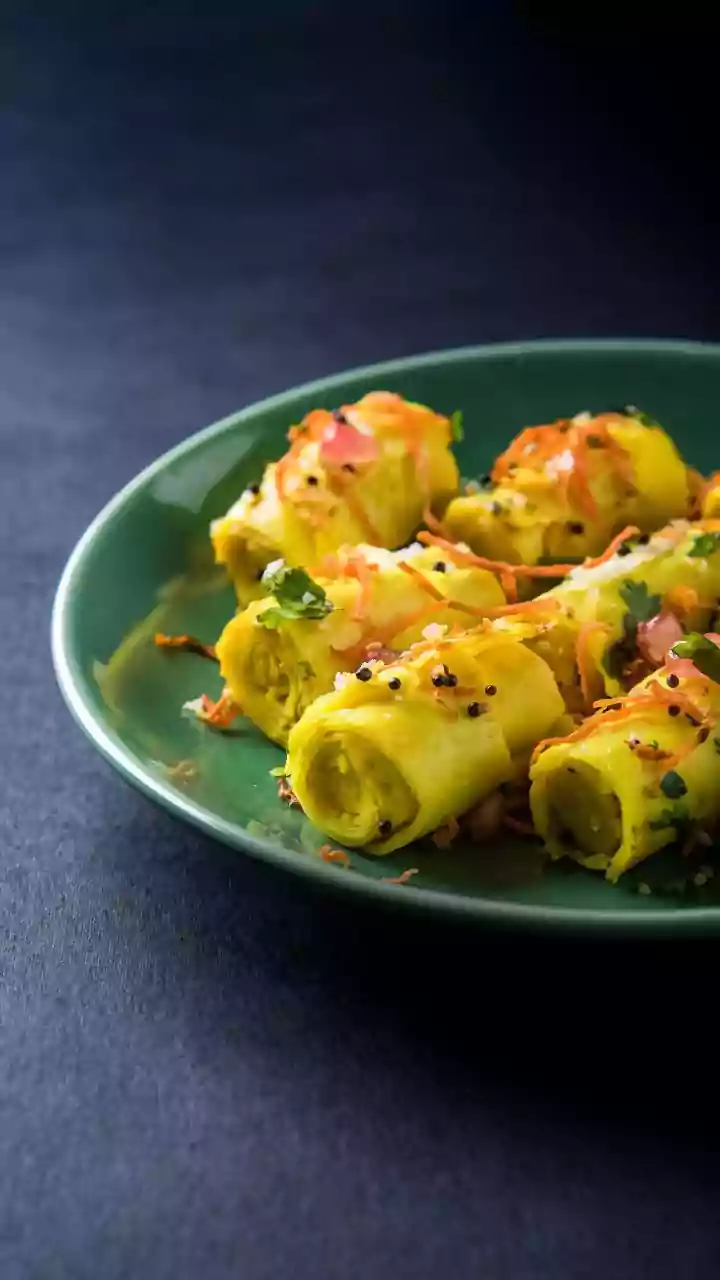
Thinking outside the bakery box opens up even more possibilities. Sourdough discard can be used as a batter for frying chicken tenders or vegetables, creating a light, crispy coating with a hint of tang. It can also be whisked into soups or sauces as a thickening agent, contributing its flavour as it cooks down. Some inventive home cooks even use it to make fresh pasta dough, where it adds a subtle sourness and delicate texture. You can even use it in Indian-inspired recipes like parathas or as a base for Mangalore buns, where its fermented flavour profile is a natural fit.
Quick and Easy Pizza and Flatbreads
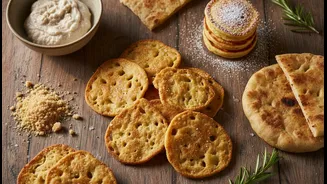
Craving pizza night? Your discard is ready to help. It can be used to create a flavourful pizza crust that is chewy, crispy, and has a character that far surpasses standard dough. Many recipes combine the discard with a little commercial yeast to ensure a good rise while still getting that signature sourdough taste. The same principle applies to other flatbreads. You can use your discard to quickly whip up tangy tortillas, naan bread, or focaccia. These recipes are often quick, forgiving, and a perfect way to prevent food waste while getting a delicious meal on the table.