


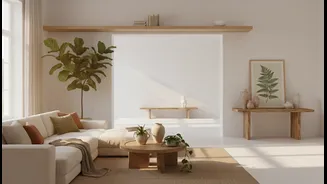


The Myth of the Empty Corner
For years, minimalism has been misinterpreted as a design philosophy of radical subtraction. We've been told to declutter, to simplify, and to clear surfaces until our rooms resemble stark art galleries. While reducing clutter is essential for a peaceful
mind, taking it too far can have the opposite effect. An empty corner, a bare wall, or a room with too few objects can feel cold, impersonal, and even unsettling. Our brains are wired to seek comfort and purpose in our surroundings. A space devoid of functional cues can leave us feeling ungrounded, as if we’re in a waiting room rather than a home. True serenity doesn’t come from emptiness, but from intentionality.
Why Functionality Feels Calm
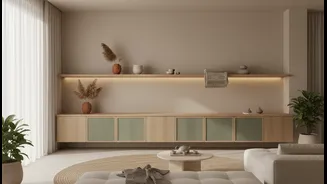
The secret to a calm room lies in what designers call 'functional minimalism' or 'warm minimalism'. This approach values simplicity and clean lines but insists that every piece must serve a purpose. A chair isn’t just a shape; it’s an invitation to sit and read. A well-placed floor lamp isn’t just decor; it creates a cozy nook for evening conversation. When furniture is functional, it reduces our cognitive load. We don't have to wonder what to do in the space; the room’s layout gently guides our actions. This sense of order and purpose is psychologically soothing. Instead of visual noise from clutter, you get visual clarity from curated, useful objects.
How to Choose 'Useful' Furniture
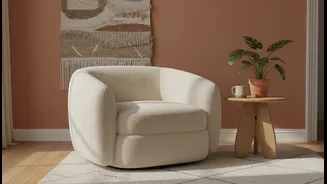
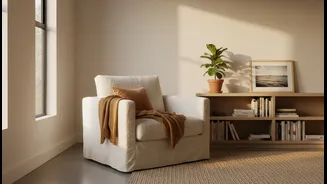
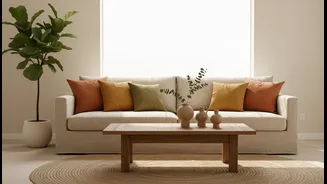
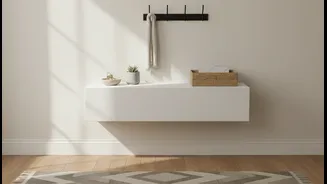
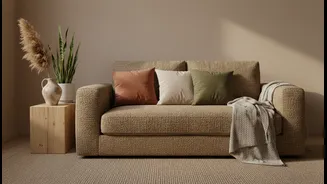
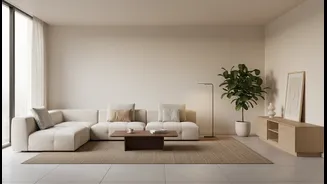
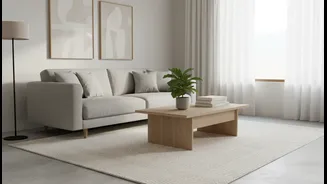
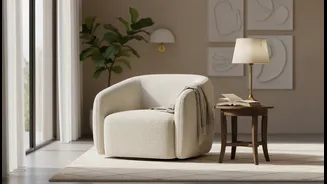
Swapping empty corners for useful furniture doesn’t mean filling your space. It means making strategic, high-impact choices. Look for pieces that are both beautiful and practical. Consider a slim entryway bench that offers a place to put on shoes and provides hidden storage for mail or keys. Instead of an unused corner in the living room, create a reading zone with a comfortable armchair and a small side table for a cup of tea. Low-profile sofas, often seen in Japandi design—a hybrid of Japanese minimalism and Scandinavian function—keep the room feeling open while providing ample seating. The goal is to select furniture that solves a problem, supports your daily routines, and feels good to use.
The Role of Texture and Natural Materials
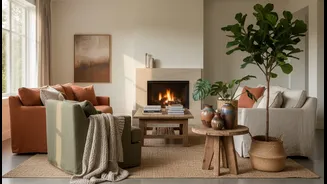
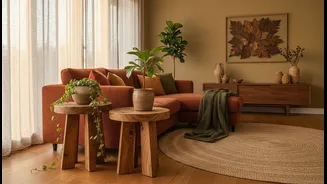
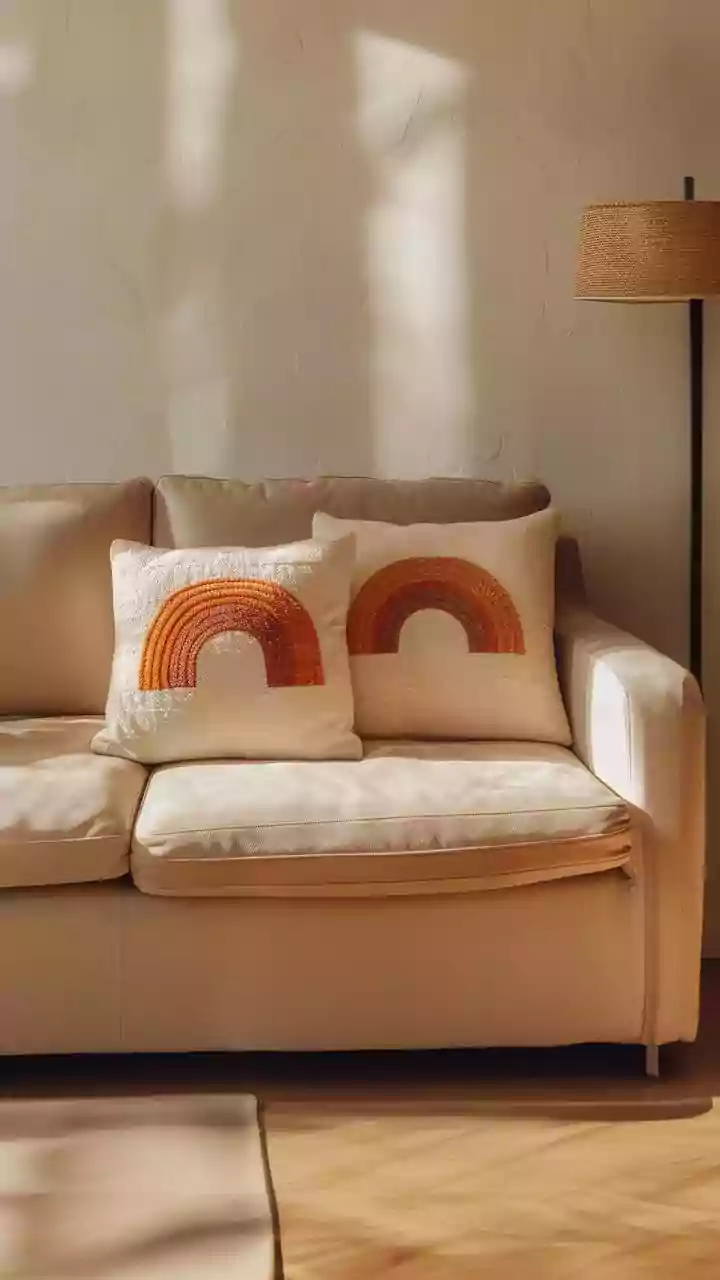
Warmth is a key component of a calm space, and it's often delivered through texture. A room filled with only hard, sleek surfaces can feel clinical. To counteract this, incorporate natural materials that are pleasing to the touch. Think of a wool rug underfoot, linen curtains that diffuse light softly, or the smooth grain of a wooden coffee table. These elements add a sensory layer of comfort that sterile minimalism lacks. Even plants are a form of functional decor, purifying the air and bringing a restorative touch of nature indoors. These materials connect us to the natural world, which has a grounding and stress-reducing effect.
Lighting That Serves a Purpose
Finally, think of lighting as a piece of functional furniture. Harsh overhead lighting can create a tense atmosphere. A truly calm room uses layered lighting to create pools of warm, inviting light. A floor lamp beside a sofa encourages reading, while a table lamp on a console creates a welcoming glow. The right lighting not only makes a space more usable but also dramatically affects its mood, shifting it from stark and bright to soft and serene. By choosing fixtures that direct light where you need it, you enhance the room's functionality and its emotional comfort.