

Mastering Monsoon Drainage
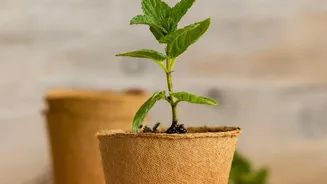
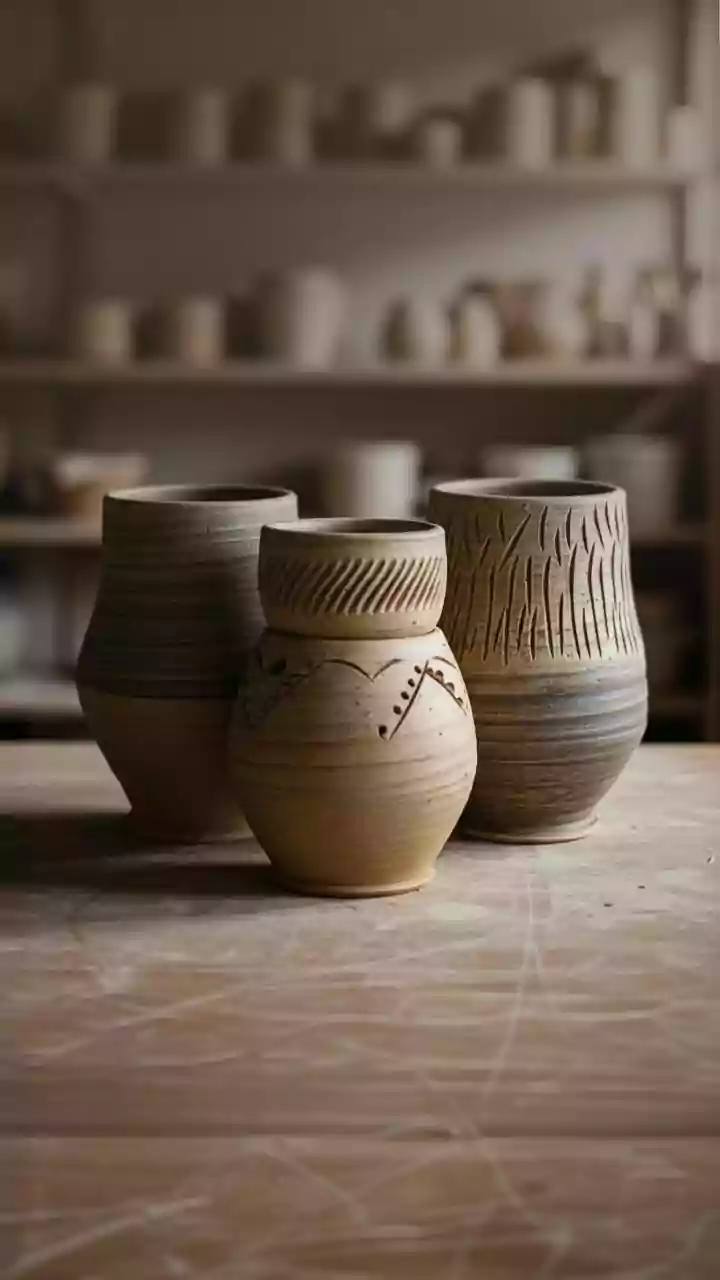
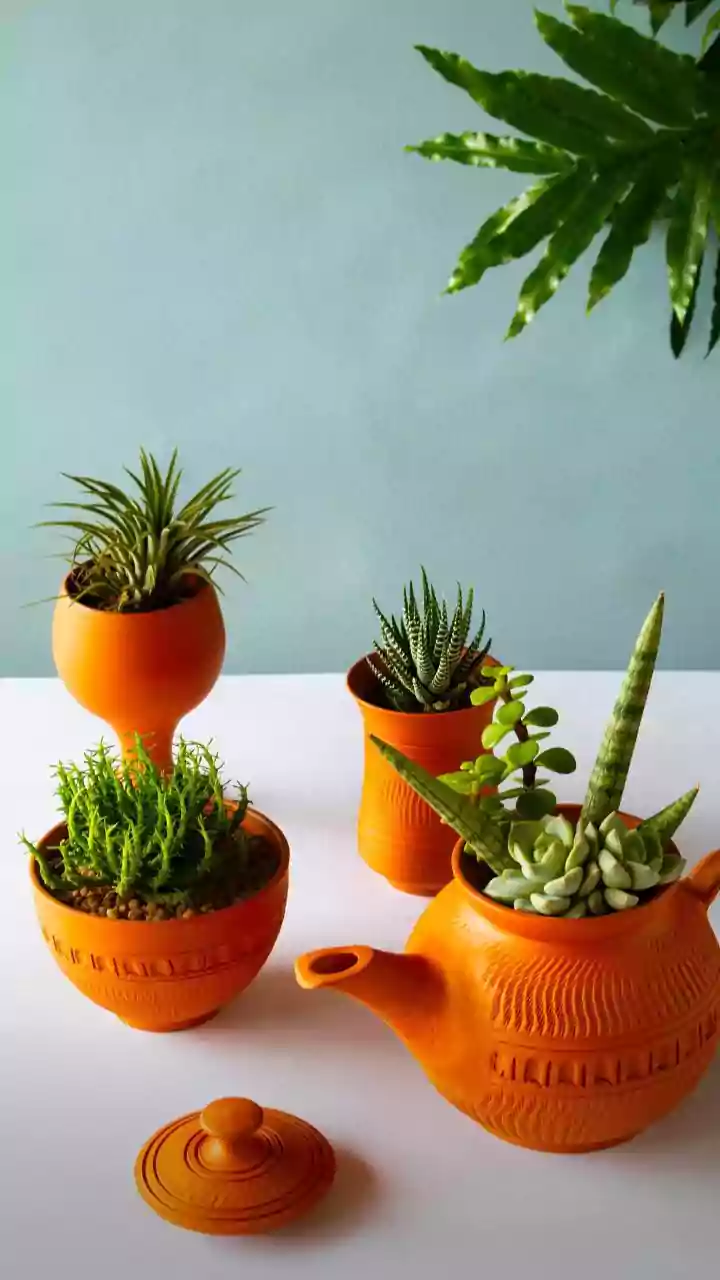
The biggest enemy of potted plants during the monsoon is not a lack of water, but too much of it. Root rot, a fungal condition caused by waterlogged soil, can quickly kill your herbs. The solution is excellent drainage. Choose terracotta or clay pots
over plastic ones, as their porous nature allows excess moisture to evaporate. Before planting, ensure every pot has multiple drainage holes at the bottom. You can even elevate your pots on bricks or pot stands to prevent them from sitting in puddles of water after a downpour.
The Right Soil Mix
Regular garden soil becomes heavy and compacted when wet, which suffocates plant roots. For a thriving monsoon herb garden, you need a light, airy potting mix. Create your own by combining equal parts garden soil, coco peat, and compost or vermicompost. Coco peat helps absorb excess water and releases it slowly, while compost provides essential nutrients that can be washed away by heavy rains. This mix ensures that water drains freely while retaining enough moisture for the plants.
Sunlight, Shelter, and Smart Watering
While the monsoon sky is often overcast, herbs still need sunlight. Position your pots in a spot that receives at least four to six hours of light, like an east-facing balcony or windowsill. At the same time, you need to protect your plants from the direct force of heavy rain, which can damage delicate leaves. Placing them under a covered balcony or an overhang is ideal. Resist the urge to water daily. The rain will do most of the work. Before watering, use the 'finger test': poke your finger an inch into the soil. If it feels damp, wait another day.
Growing Mint (Pudina)
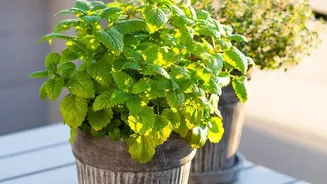
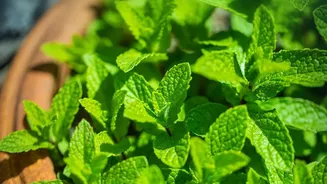
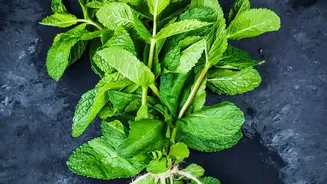
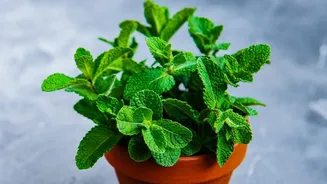
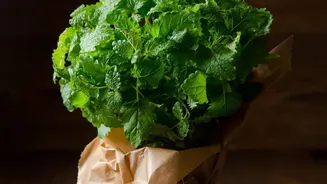
Mint is one of the easiest herbs to grow and is perfect for beginners. It loves the moist conditions of the monsoon but still requires good drainage. The easiest way to start is with a cutting from a healthy plant or even from a bunch you bought at the market. Plant the stem in your prepared pot, and it will root within a couple of weeks. Mint is an aggressive grower, so it's best to give it its own pot to prevent it from taking over. Harvest leaves regularly to encourage bushier growth, perfect for your monsoon chai or chutneys.
Growing Basil (Tulsi)
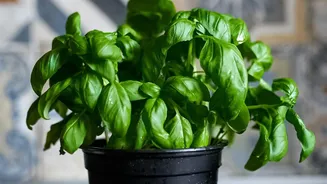
Basil is a staple in many Indian homes, but it can be susceptible to fungal diseases in high humidity. Good air circulation is key. Space your plants out and prune them regularly to prevent the foliage from becoming too dense. As with other herbs, plant basil in a well-draining pot and avoid overwatering. Water the soil at the base of the plant, not the leaves, to reduce the risk of mildew. Holy Basil (Tulsi) is particularly well-suited to these conditions, and harvesting leaves frequently will keep the plant productive.
Growing Lemongrass
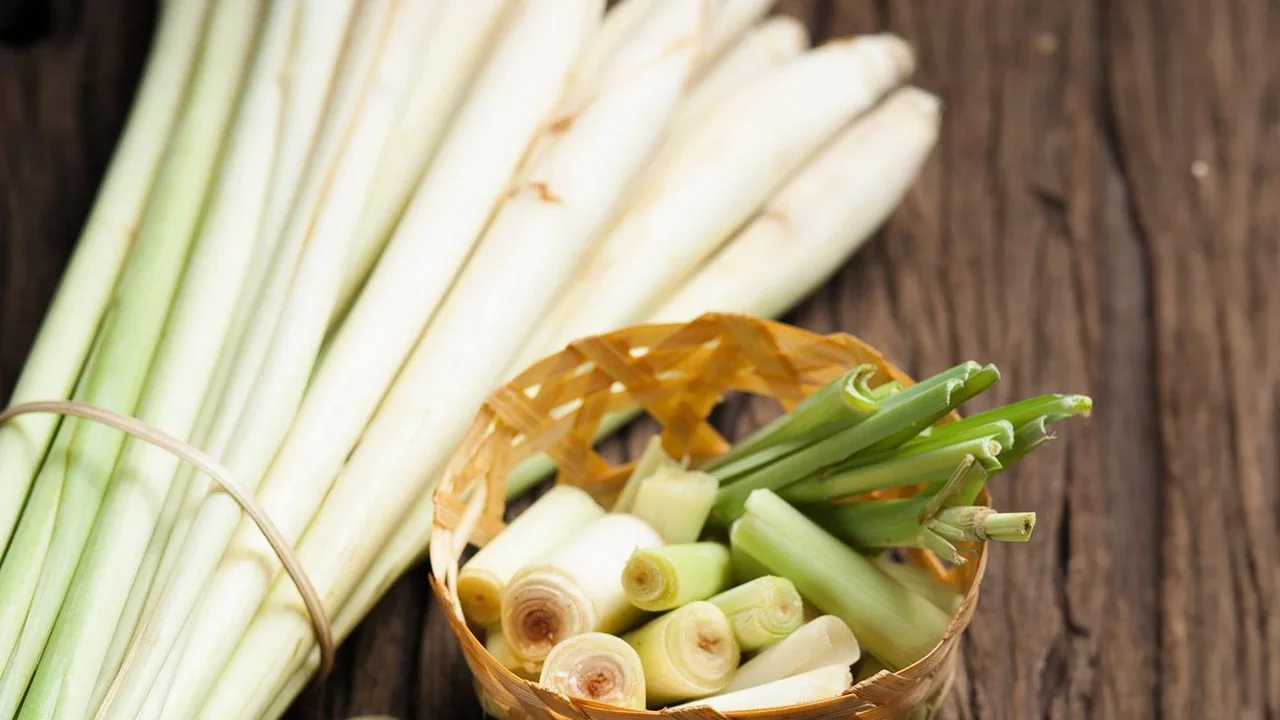
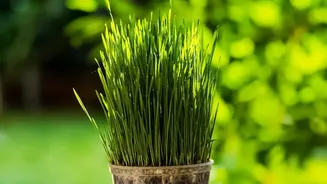
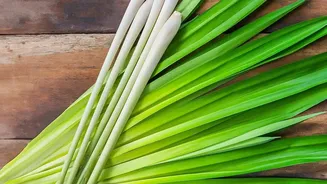
The zesty aroma of lemongrass is a monsoon favourite. You can easily grow it from stalks purchased from a vegetable vendor. Simply place a few fresh stalks in a glass of water, and roots will appear in a week or two. Once a healthy root system develops, transplant it into a deep pot filled with your well-draining soil mix. Lemongrass is a sun-loving plant, so find the sunniest spot on your balcony for it. It's a relatively hardy plant and will thrive with minimal care, providing you with fresh stalks for teas and soups throughout the season.
Pest Control and Harvesting
High humidity can attract pests like slugs and fungal infections. Keep a close eye on your plants. Remove any yellowing or diseased leaves immediately to prevent spread. A simple, preventative spray of neem oil mixed with water every 10-15 days can work wonders to keep pests at bay naturally. The best part of growing herbs is harvesting them. Regularly snipping off leaves and stems not only gives you fresh ingredients for your kitchen but also encourages the plants to grow back bushier and healthier. Don't be shy; the more you harvest, the more you'll have.