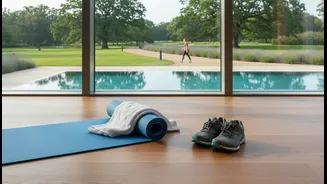








Why Your Body Needs Rest
Before diving into what to do on a rest day, it’s crucial to understand why they are non-negotiable for progress. Intense exercise causes microscopic tears in your muscle fibres. The recovery period is when your body repairs this damage, building the muscle back
stronger. This process requires energy and resources, which is why skipping rest can lead to fatigue, reduced performance, and an increased risk of injury. Rest days are when the real growth and adaptation happen, allowing your muscles, joints, and nervous system to heal and recharge.
Active vs. Passive Recovery
Recovery isn't a one-size-fits-all concept. It generally falls into two categories: passive and active. Passive recovery is what most people picture: complete rest with minimal physical activity. Think of a day spent relaxing on the couch. This is essential when you are injured, feeling unwell, or genuinely exhausted. Active recovery, on the other hand, involves low-intensity exercise designed to help your body recover more efficiently. The goal is to move in a way that supports recovery without adding more stress to the body. For most general soreness and post-workout fatigue, active recovery is considered the superior option.
The Science of Gentle Movement
So, why is moving better than staying still? The benefits are rooted in physiology. Gentle activity increases blood flow to your muscles. This enhanced circulation delivers more oxygen and nutrients that are vital for tissue repair. It also helps to more effectively flush out metabolic waste products, which can contribute to muscle soreness and stiffness. While it was once believed that lactic acid was the main culprit for next-day soreness, now known as Delayed Onset Muscle Soreness (DOMS), current science points to micro-tears and inflammation. Active recovery has been shown to reduce the severity of DOMS, helping you feel less stiff and more prepared for your next workout.
What Counts as Active Recovery?
The key to active recovery is keeping the intensity low. You should be able to hold a conversation easily during the activity. The focus is on gentle movement, not performance. Excellent options include a leisurely walk or hike on flat terrain, a casual bike ride, or a relaxing swim. Swimming is particularly beneficial as the water supports your body weight, giving your joints a break, and may even help reduce inflammation. Other great choices are restorative yoga, tai chi, dynamic stretching, or using a foam roller to release muscle tightness. These activities promote flexibility and mobility without taxing your system.
How to Plan Your Active Rest Day
Planning an effective active rest day is about intention and listening to your body. First, keep it short and light; a 20- to 30-minute session is often enough. Focus on activities you genuinely enjoy, as this also provides a mental break from structured, intense training. An active rest day is a perfect time to work on mobility in areas that feel tight, like your hips or shoulders. The most important rule is to remove any pressure. Don't track metrics or push for a certain pace. The goal is to finish feeling refreshed and rejuvenated, not more tired. If an activity starts to feel strenuous, it's no longer recovery.