




Meet the Orionids
Every October, Earth passes through a stream of cosmic debris left behind by one of the most famous objects in our solar system: Halley’s Comet. These tiny particles, often no bigger than grains of sand, burn up in our atmosphere at incredible speeds,
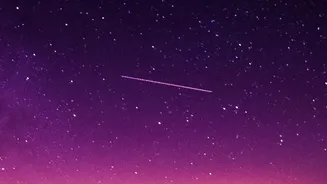
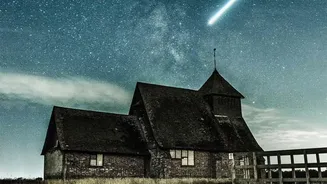
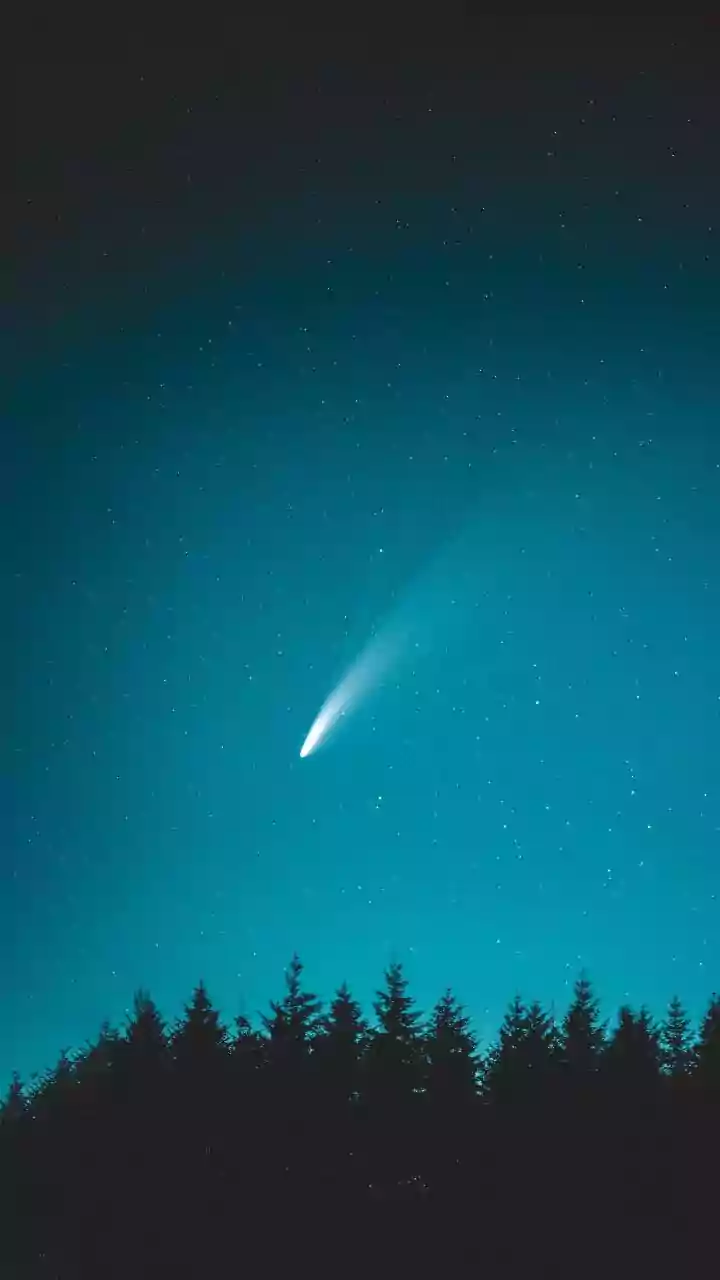
creating the beautiful streaks of light we call the Orionid meteor shower. They are known for being particularly fast and can leave glowing trails, or trains, that linger for a few seconds. The shower gets its name because the meteors appear to radiate from a point in the sky near the constellation Orion the Hunter, which rises in the east after midnight. This makes the hours between midnight and dawn the prime time to watch.
The Challenge of 2026: A Bright Competitor
While the Orionids are a reliable annual event, the quality of the show is heavily dependent on the Moon. This year, the shower's peak on the night of October 21-22 coincides with a waxing gibbous moon. The Moon will be about 80% illuminated, casting a significant amount of natural light across the sky for most of the night. This lunar glare acts like a form of natural light pollution, washing out the fainter meteors and dramatically reducing the number of shooting stars you are likely to see. While a typical Orionid peak can produce 15 to 25 meteors per hour in a perfectly dark sky, the bright Moon will make it very difficult to reach that count.
The Crucial Pre-Dawn Window
There is a silver lining for dedicated stargazers. On the peak night, the bright Moon will set at approximately 3 a.m. This opens up a precious, limited window of true darkness between moonset and the beginning of dawn twilight. This is the golden hour for viewing the 2026 Orionids. To make the most of it, you need to be in position and ready to watch from 3 a.m. onwards. The sky will be at its darkest, giving your eyes the best possible chance to spot the fast-moving meteors. The radiant point in Orion will also be high in the sky during these hours, further improving your chances.
Why Escaping City Lights is Non-Negotiable
With the Moon already making things difficult, any additional light pollution from human sources will render the shower virtually invisible. This is why finding a dark sky location is more critical this year than ever. Light pollution from cities, towns, and even streetlights creates a phenomenon called 'skyglow,' an orange or grey haze that blankets the sky and obscures all but the brightest celestial objects. To see the Orionids this year, you must escape this artificial glow. It means travelling at least an hour away from the lights of major metropolitan areas like Delhi, Mumbai, or Bengaluru. The darker your location, the more you counteract the Moon's initial brightness and the more meteors you will ultimately see.
Your Guide to a Successful Viewing
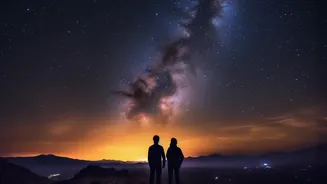
You don’t need a telescope or binoculars to watch a meteor shower; your naked eyes are the best tool for the job. The key is to find a safe, open area with a wide view of the sky, far from buildings and city lights. Think of rural locations, dark parks, or even designated dark sky reserves in places like Ladakh or parts of Rajasthan. Arrive early and give your eyes at least 20-30 minutes to fully adapt to the darkness—and that means putting your phone away. Lie on a blanket or reclining chair so you can look straight up comfortably. Be patient; meteors appear in spurts. And remember to check the weather forecast before you go, as clouds can be an even bigger obstacle than the Moon.