


What Are Festive Special Trains?
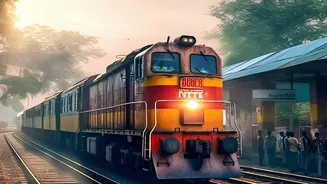
Every year, to manage the immense surge in passenger traffic during major festivals like Durga Puja, Dussehra, Diwali, and Chhath Puja, Indian Railways operates hundreds of additional train services. These are known as 'festive special trains'. Their
primary purpose is to connect major cities with destinations that see high demand, such as routes from Mumbai, Delhi, and Bengaluru to towns in Uttar Pradesh, Bihar, West Bengal, and southern states. These trains are temporary, run for a limited period, and are often identifiable by train numbers starting with '0' or '8'. It’s important to note that tickets for these services often come with 'special charges', meaning the fare might be slightly higher than on a regular mail or express train on the same route.
Finding Train Announcements
Unlike regular trains with a fixed 120-day booking window, special trains are announced closer to the festival dates, typically a few weeks in advance. These announcements are not released in a single consolidated list but are made by different railway zones as services are approved. The most reliable sources for information are official ones. Keep a close watch on the IRCTC website (irctc.co.in) and its mobile app. Additionally, the National Train Enquiry System (NTES) website and app are invaluable for checking routes and schedules. Following the official social media accounts of the Ministry of Railways and the respective zonal railways (e.g., Central Railway, Northern Railway) can also provide timely updates as new trains are announced.
The Booking Window: When and How to Act
Once a special train is announced, bookings usually open within a day or two. For example, several special trains announced by Central and Northern Railways in late September 2026 opened for booking on September 27th and 28th. Due to massive demand, seats on popular routes get filled within minutes, if not seconds. Speed and preparation are your biggest allies. Before you attempt to book, ensure your IRCTC account is active. A crucial time-saving feature is the 'Master List', which allows you to pre-save the details of all passengers (name, age, ID proof) in your IRCTC profile. This eliminates the need to type everything manually during the high-pressure booking window, reducing the risk of errors and delays.
A Step-by-Step Guide to Booking
When you're ready to book, log into your IRCTC account just before the booking window opens. Enter your origin, destination, and date of journey. On the train list page, you can either look for train numbers starting with '0' or use the 'Flexible with Date' option to see services on nearby days. Some platforms also have a specific checkbox to filter for special trains. Once you find a suitable train with available seats, select it and proceed. Because you've already saved your passenger details in the Master List, you can add them with a single click. For payment, use the fastest options available. The IRCTC e-wallet or UPI are generally much quicker than net banking or credit/debit cards, which often require multiple steps for authentication. A faster checkout significantly improves your chance of securing a confirmed ticket.
Pro Tips for a Successful Booking
If your preferred train is fully booked, don't give up immediately. Be flexible with your travel dates; travelling a day or two before or after the peak date can sometimes make all the difference. Also, consider alternative routes. Instead of booking a direct train from a major hub like Delhi to Patna, check for trains from nearby stations like Anand Vihar Terminal or to a station close to Patna, such as Danapur. Sometimes, booking a ticket in two parts (a 'break journey') can also work, though it requires more planning. If you land on the waitlist, use a PNR prediction tool to gauge the probability of your ticket getting confirmed. For special trains, the waitlist movement can be unpredictable, but it gives you a fair idea of whether to look for other options.